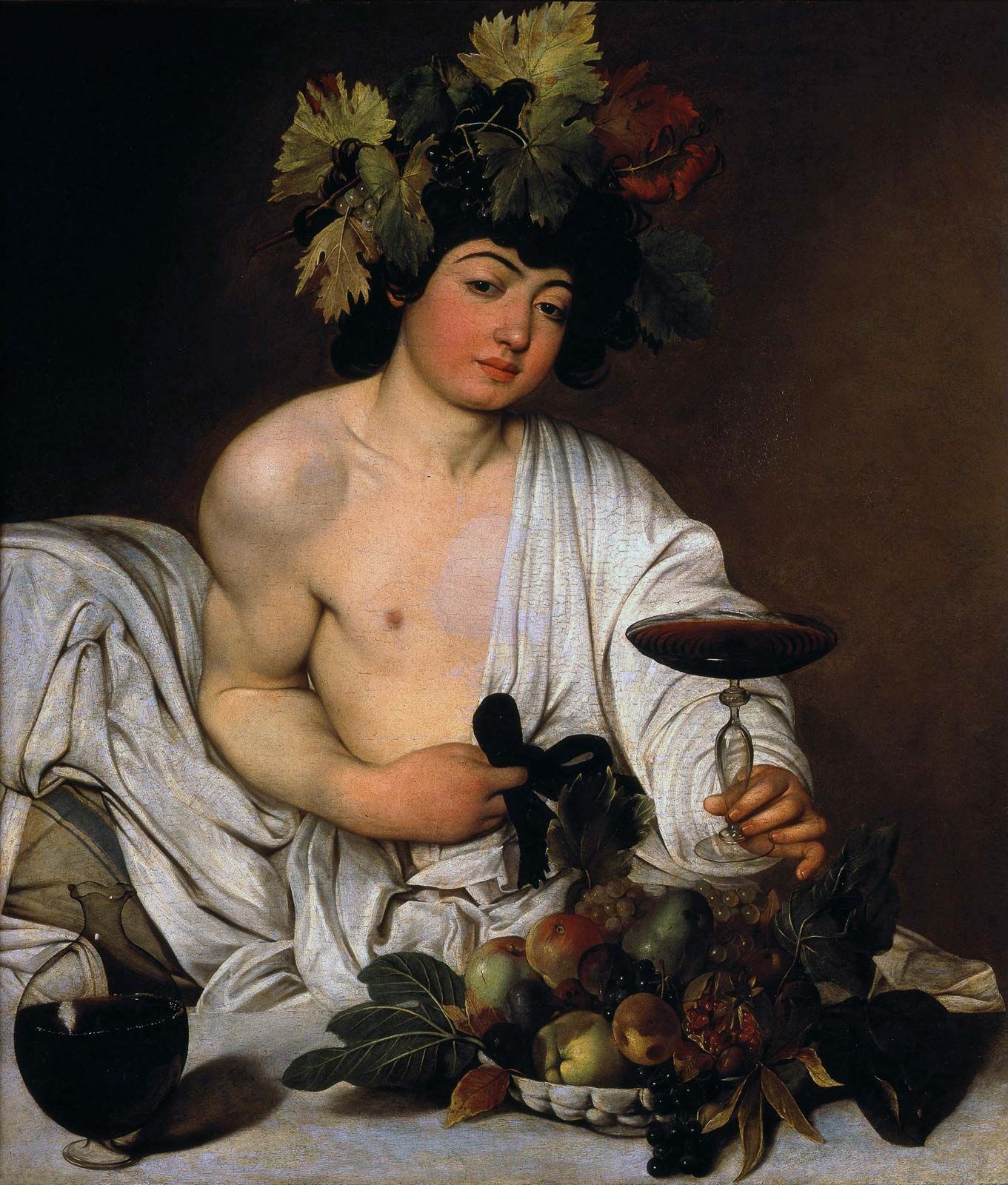
Dionysus, the Greek god of wine, fertility, and festivity, is a fascinating figure in Greek mythology. His story is rich with themes of transformation, ecstasy, and the duality of human nature. Dionysus is often depicted as a youthful figure, embodying both joy and chaos. He is unique among the Olympian gods because he represents not only the pleasures of life but also the darker sides of human experience. This duality makes him a complex character who resonates with many aspects of human existence.
The Birth of Dionysus
The birth of Dionysus is a tale filled with intrigue and drama. According to myth, he is the son of Zeus and Semele, a mortal woman. Semele, curious about her lover’s true form, asked Zeus to reveal himself in his divine state. Unable to withstand his brilliance, she was incinerated. However, before her death, Zeus saved the unborn Dionysus by sewing him into his thigh, where he would grow until he was ready to be born. This unusual birth highlights Dionysus’s connection to both the divine and the mortal realms, symbolizing the intertwining of humanity and divinity.
 Cadmus
Once born, Dionysus faced challenges from Hera, Zeus’s wife, who was jealous of his existence. To protect him, Zeus sent him to be raised by the nymphs of Nysa. This nurturing environment helped him develop his character and powers. The nymphs taught him the secrets of nature and the art of winemaking. As he grew, Dionysus became associated with the vine and the joys of wine, symbolizing not only pleasure but also the importance of nature in human life.
Dionysus as the God of Wine
Dionysus is perhaps best known as the god of wine. Wine, in ancient Greek culture, was more than just a drink; it was a vital part of social life and rituals. Dionysus taught humans how to cultivate grapes and make wine, which brought joy and celebration to their lives. Festivals in his honor, known as the Dionysia, were held in Athens and other cities, featuring dramatic performances, music, and dance. These celebrations allowed people to express their emotions and connect with the divine through the liberating effects of wine.
 Caenis
The association of Dionysus with wine also connects him to the concept of ecstasy and liberation. Wine was seen as a means to escape the mundane world, to enter a state of altered consciousness where one could experience both joy and sorrow. This duality is central to Dionysus’s character. He embodies the idea that pleasure and pain are often intertwined, and that true understanding of life comes from embracing both aspects.
The Followers of Dionysus
Dionysus had a diverse group of followers known as the Maenads or Bacchae. These women, often depicted as frenzied and ecstatic, would engage in wild celebrations, dancing and drinking in the forests. They were believed to be possessed by the spirit of Dionysus, losing themselves in a state of divine madness. This transformation allowed them to break free from societal constraints and experience true freedom. The Maenads symbolize the power of nature and the primal instincts within humans.
- Maenads: Female followers who embodied the wild, ecstatic nature of Dionysus.
- Silenus: A companion of Dionysus, often depicted as a drunken old man, representing the wisdom that comes from indulgence.
- Satires: Male followers, half-man and half-goat, who joined in the revelry and represented the untamed aspects of nature.
The presence of the Maenads in Dionysian festivals often led to ecstatic dances and rituals that blurred the lines between reality and the divine. These gatherings were not just about celebration; they were also a way to confront the darker aspects of life, such as death and madness. The followers believed that through their connection to Dionysus, they could transcend ordinary existence and experience a deeper understanding of life.
 Calchas
Dionysus in Literature and Art
Dionysus has been a prominent figure in Greek literature and art throughout history. He appears in various plays, most notably in the works of Euripides, such as “The Bacchae.” In this tragedy, Dionysus returns to Thebes to seek revenge on those who denied his divinity. The play explores themes of identity, madness, and the consequences of rejecting the natural order. Dionysus’s character is portrayed as both a benevolent deity and a vengeful force, highlighting the complexities of his nature.
In art, Dionysus is often depicted in various forms, from a youthful figure holding a wine cup to a more mature god surrounded by his followers. Artists use symbolism, such as grapevines and leopards, to convey his connection to nature and wildness. These representations capture the essence of Dionysus as a god of both joy and chaos, illustrating the duality that defines his character.
The Duality of Dionysus
The duality of Dionysus is one of the most compelling aspects of his mythology. He embodies both the joyous and chaotic elements of life. On one hand, he is the bringer of joy, festivity, and the pleasures of wine. On the other hand, he represents chaos, madness, and destruction. This duality is essential to understanding the human experience, as it reflects the complex nature of emotions and existence.
Dionysus teaches us that life is not just about happiness or sorrow; it is about embracing the full spectrum of human experience. His festivals, filled with music, dance, and wine, serve as a reminder that joy can be found even in the midst of chaos. The lessons of Dionysus encourage individuals to explore their own emotions, to connect with their instincts, and to celebrate the beauty of life in all its forms.
Dionysus and the Concept of Freedom
Dionysus is often associated with the idea of freedom. His followers, the Maenads, represent a break from societal norms and expectations. In their ecstatic dances and wild celebrations, they find liberation from the constraints of everyday life. This connection to freedom is central to Dionysus’s identity, as he encourages individuals to embrace their true selves and explore their desires without fear of judgment.
The theme of freedom is also evident in the rituals and festivals held in his honor. These events provided a space for people to express their emotions, connect with nature, and celebrate life. Dionysus’s teachings remind us that true freedom comes from accepting both the light and dark aspects of our existence. By allowing ourselves to experience the full range of emotions, we can find deeper meaning and fulfillment in our lives.
Dionysus in Modern Culture
Dionysus’s influence extends beyond ancient Greece and continues to resonate in modern culture. His themes of celebration, liberation, and the exploration of human emotions can be seen in various forms of art, literature, and entertainment. From contemporary music festivals that embrace the spirit of ecstasy to literary works that delve into the complexities of human nature, Dionysus remains a symbol of the eternal quest for joy and understanding.
In modern psychology, the duality of Dionysus is often explored in discussions about the human psyche. The balance between order and chaos, rationality and instinct, reflects the ongoing struggle within individuals to find harmony in their lives. Dionysus serves as a reminder that embracing our passions and emotions is essential to living a fulfilling life, encouraging us to explore our true selves.
Dionysus, the god of wine and ecstasy, embodies the complexities of human existence. His stories of birth, celebration, and duality remind us of the importance of embracing both joy and chaos in our lives. As we navigate the challenges and pleasures of life, the lessons of Dionysus continue to inspire us to seek freedom, connect with our emotions, and celebrate the beauty of existence in all its forms.