
In the rich tapestry of Vodou mythology, the figure of Bondye holds a central place. Bondye is often considered the supreme being, the creator of the universe, and the source of all life. Unlike the spirits known as Loa, who are invoked in rituals and are seen as intermediaries between humans and the divine, Bondye is more distant and transcendent. This article delves into the various aspects of Bondye, exploring his attributes, significance, and the ways in which he is honored within the Vodou tradition.
The Nature of Bondye
Bondye is understood to be a monotheistic entity in a largely polytheistic tradition. This means that while Vodou practitioners recognize many spirits, they also believe in a singular, all-powerful deity. Bondye is often described as being beyond human comprehension, embodying qualities of love, justice, and wisdom. His nature is both immanent and transcendent; he is present in the world but also exists beyond it. This duality allows practitioners to see Bondye as a source of comfort and guidance, as well as a figure of awe and reverence.
 Bon Ange
In Vodou, Bondye is not typically represented by a physical form. Instead, he is often referred to using various names and titles that reflect his attributes. For instance, he may be called “Bon Dieu,” which translates to “Good God,” emphasizing his benevolent nature. Other names include “Bondye Bondye,” which reinforces his status as the highest of all beings. These names serve to remind practitioners of his omnipresence and omnipotence, making it clear that Bondye is a powerful and loving force in their lives.
The Role of Bondye in Vodou Rituals
While Bondye is not the primary focus of most Vodou rituals, his presence is always acknowledged. Practitioners often begin their ceremonies with prayers to Bondye, seeking his blessings and guidance. This can take the form of a simple invocation, asking for strength and protection, or more elaborate prayers that express gratitude for the gifts of life and community. The rituals are designed to create a connection between the participants and the divine, ensuring that Bondye’s influence permeates the proceedings.
In addition to prayers, offerings are made to Bondye as a sign of respect and devotion. These offerings can include fruits, flowers, and other items that symbolize purity and gratitude. It is important to note that while practitioners may offer these items to Bondye, they are more commonly directed towards the Loa. However, acknowledging Bondye is essential to grounding the ritual in the broader spiritual framework of Vodou.
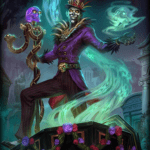 Baron Samedi
Bondye and the Loa
The relationship between Bondye and the Loa is complex and multifaceted. The Loa are often seen as manifestations of Bondye’s will, acting as intermediaries who interact with the human realm. Each Loa has its own unique personality, responsibilities, and areas of influence, making them accessible to practitioners seeking specific types of guidance or support. This hierarchical structure allows individuals to approach the divine in a more personal and relatable way, while still recognizing the overarching authority of Bondye.
- Direct Connection: While the Loa can be called upon for assistance, all prayers and offerings ultimately reach Bondye.
- Respect and Reverence: Practitioners are taught to honor both Bondye and the Loa, recognizing their unique roles within the Vodou framework.
- Intermediary Role: The Loa can be seen as extensions of Bondye’s power, making the divine more approachable.
This structure allows Vodou practitioners to navigate their spiritual lives with both a sense of intimacy and reverence. While they may feel a personal connection to a particular Loa, they are always reminded of Bondye’s supreme authority and love. This balance fosters a deep respect for both the higher power of Bondye and the accessible nature of the Loa, creating a holistic spiritual practice.
Bondye’s Attributes
Bondye embodies a range of attributes that reflect his nature as a supreme being. Among these attributes are omnipotence, omniscience, and omnipresence. These qualities indicate that Bondye has unlimited power, knowledge of all things, and the ability to be present everywhere at once. This understanding shapes the way practitioners view their relationship with him. They approach Bondye with both humility and confidence, knowing that he has the ability to help them in their times of need.
 Baron La Croix
Another important attribute of Bondye is his benevolence. Practitioners believe that Bondye is inherently good and wishes the best for all of creation. This belief fosters a sense of hope and trust among followers, encouraging them to seek Bondye’s guidance in their lives. When faced with challenges or hardships, practitioners often turn to Bondye for strength and support, believing that he will provide them with the wisdom they need to overcome obstacles.
Bondye in Daily Life
For many Vodou practitioners, Bondye plays a vital role in their daily lives. He is not only a figure of worship but also a source of inspiration and guidance. Many individuals incorporate prayers and invocations to Bondye into their morning routines, seeking his blessings for the day ahead. This practice helps to center their thoughts and intentions, allowing them to approach their daily tasks with a sense of purpose and connection to the divine.
In addition to morning prayers, practitioners often turn to Bondye during times of crisis or uncertainty. Whether facing personal challenges or larger societal issues, the act of reaching out to Bondye can provide comfort and clarity. Many people find solace in the belief that Bondye is always listening and ready to assist, reinforcing the idea that they are never truly alone in their struggles.
The Importance of Community
In the Vodou tradition, community plays a significant role in honoring Bondye. Practitioners often come together for communal prayers, rituals, and celebrations that acknowledge the presence of Bondye in their lives. These gatherings not only strengthen the bonds between community members but also create a shared space for spiritual growth and support. Within this context, Bondye is recognized as a unifying force, bringing people together in love and reverence.
Community events may include feasts, ceremonies, and other activities that celebrate the connection to Bondye and the Loa. These gatherings serve as opportunities for individuals to share their experiences, express gratitude, and seek guidance from both the divine and one another. The collective energy of these events amplifies the spiritual experience, creating a powerful atmosphere of devotion and celebration.
Bondye in the Context of Haitian History
Bondye’s significance is deeply intertwined with the history of Haiti and the struggles faced by its people. During the era of slavery, enslaved Africans turned to Vodou as a means of preserving their cultural identity and spiritual beliefs. In this context, Bondye became a symbol of hope and resistance, representing the possibility of freedom and justice. The belief in a loving and powerful deity provided strength to those who faced unimaginable hardships.
The Haitian Revolution, which led to the country’s independence, was also influenced by the worship of Bondye. Many leaders and participants in the revolution invoked Bondye’s name as they fought for their freedom, believing that divine support would guide them to victory. This historical connection has solidified Bondye’s role as a powerful figure in the hearts and minds of the Haitian people, representing resilience and faith in the face of adversity.
Bondye in Contemporary Vodou Practice
Today, Bondye remains a vital part of contemporary Vodou practice, adapting to the changing needs of practitioners while maintaining his core attributes. Many people continue to turn to Bondye for guidance and support, finding comfort in his presence amidst the challenges of modern life. This adaptability reflects the resilience of the Vodou tradition, which has evolved over time while staying rooted in its foundational beliefs.
Contemporary Vodou practitioners often blend traditional rituals with modern practices, creating a unique spiritual experience that resonates with their lives. For example, some may incorporate elements of meditation or mindfulness into their prayers to Bondye, seeking a deeper connection to the divine. This blending of practices allows individuals to personalize their spiritual journeys while remaining anchored in the principles of Vodou.
Bondye’s role in Vodou mythology is profound and multifaceted, serving as a reminder of the power of faith, community, and resilience. His presence is felt in both individual and communal practices, offering guidance and support to those who seek it. Through the lens of Vodou, Bondye embodies the complexities of the divine, reminding practitioners that they are connected to a greater whole. Whether in moments of joy or hardship, the relationship with Bondye remains a cornerstone of Vodou spirituality, reflecting the enduring strength of this rich tradition.