
Baron Samedi is one of the most recognizable figures in Vodou mythology, often associated with death, resurrection, and the afterlife. As a prominent spirit, or loa, Baron Samedi holds a significant place in the beliefs and practices of Vodou practitioners. He is often depicted wearing a black tailcoat, a top hat, and sunglasses, embodying the essence of a gentleman who navigates the realms of life and death. His unique style and demeanor contribute to his complex character, which merges elements of both humor and solemnity.
The Role of Baron Samedi in Vodou
In Vodou, Baron Samedi serves as the guardian of the cemetery and the guide for souls transitioning to the afterlife. He is a mediator between the living and the dead, providing support to those who have lost loved ones. This role is crucial, as Vodou practitioners believe that honoring the spirits of the deceased is essential for maintaining harmony in the spiritual realm. Baron Samedi’s involvement in funerary rites and ceremonies reflects his importance in helping souls find peace.
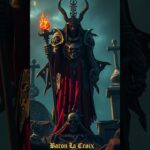 Baron La Croix
Baron Samedi is often called upon during rituals related to death and mourning. His presence is believed to bring comfort to the grieving, as he embodies both the joy of life and the inevitability of death. Practitioners may invoke his name to ensure that the departed souls are treated with respect and dignity. His unique blend of humor and reverence serves as a reminder that death is a natural part of life, and it should be celebrated rather than feared.
Attributes of Baron Samedi
- Appearance: Baron Samedi is usually portrayed as a tall man dressed in a black suit and a top hat. His attire symbolizes his connection to the world of the living.
- Personality: He is known for his playful and mischievous nature, often laughing and joking, which reflects the duality of life and death.
- Symbolism: Baron Samedi is associated with the crossroads, representing the transition between the living and the dead.
Baron Samedi’s attributes are essential for understanding his character in Vodou. His distinctive appearance, marked by his formal attire, signifies his role as a dignified figure in the face of mortality. The choice of clothing not only emphasizes his connection to the living but also highlights the importance of rituals in honoring the dead. His playful personality allows him to engage with followers in a way that makes the concept of death less daunting, fostering a sense of acceptance and understanding.
The symbolism associated with Baron Samedi extends beyond his appearance and personality. He represents the crossroads of life and death, a place where choices are made, and paths diverge. This aspect of his character reinforces the idea that death is not an end but a transition, opening the door to new experiences. In this sense, Baron Samedi encourages practitioners to embrace life fully, knowing that death is merely a part of the journey.
 Baron Cimetière
Baron Samedi in Rituals and Ceremonies
Baron Samedi plays a central role in various Vodou rituals and ceremonies, especially those focused on death and the afterlife. His presence is invoked during funerals, where he is called upon to guide the deceased to their final resting place. Practitioners believe that by honoring Baron Samedi, they can ensure that the soul of the departed is treated with the utmost respect. This practice is not only a way to pay tribute to the dead but also to seek his protection for the living.
During these ceremonies, offerings are made to Baron Samedi, including items such as rum, cigars, and food. These offerings are believed to please him and encourage his benevolence. Vodou practitioners often create altars adorned with symbols associated with Baron Samedi, providing a focal point for their prayers and invocations. This act of devotion reflects the deep connection between the living and the spirits, highlighting the importance of maintaining relationships with the spiritual world.
Common Ritual Practices
- Invocations: Practitioners call upon Baron Samedi through chants and prayers, asking for his guidance and support.
- Offerings: Items such as rum, cigars, and food are presented to Baron Samedi as a sign of respect.
- Dance and Music: Rituals often include lively music and dance, celebrating the spirit of life and death.
The common ritual practices associated with Baron Samedi emphasize the importance of active participation in the Vodou faith. Invocations serve as a means of communication with the spirit world, allowing practitioners to express their needs and desires. The offerings made to Baron Samedi are not merely gifts; they symbolize a relationship built on mutual respect and understanding. By presenting these offerings, practitioners acknowledge the role of Baron Samedi in their lives and seek his guidance in navigating the challenges they face.
 Baka
BakaMusic and dance are integral components of Vodou rituals, especially those involving Baron Samedi. The lively atmosphere created by these elements reflects the spirit of celebration that accompanies the transition from life to death. It is a reminder that while death may be a solemn occasion, it is also an opportunity to honor the lives of those who have passed. Through dance and music, practitioners express their joy, grief, and gratitude, creating a vibrant connection with the spirit of Baron Samedi.
Baron Samedi and Popular Culture
Baron Samedi’s influence extends beyond the realm of Vodou and into popular culture. He has been featured in various forms of media, including films, literature, and music. His striking appearance and intriguing personality make him a captivating character, drawing the attention of artists and storytellers alike. This representation often emphasizes his role as a trickster and a guide, showcasing the duality of life and death.
In films, Baron Samedi is often portrayed as a mysterious and charismatic figure, embodying the essence of Vodou mythology. His character may be depicted as both a protector and a harbinger of death, highlighting the complexities of his role. These portrayals can contribute to a greater understanding of Vodou practices, though they may also perpetuate stereotypes and misconceptions. It is essential to approach these representations with an awareness of the cultural significance behind them.
Examples in Media
- Live and Let Die: In this James Bond film, Baron Samedi is depicted as a powerful and enigmatic figure, influencing the plot significantly.
- The Serpent and the Rainbow: This film explores Vodou practices and features Baron Samedi as a central character in the narrative.
- Music: Various artists have referenced Baron Samedi in their songs, often highlighting themes of death and the afterlife.
One notable example of Baron Samedi’s presence in popular culture is the film Live and Let Die, where he is portrayed as a powerful figure with control over the forces of life and death. This depiction captures the intrigue surrounding Vodou practices, though it may oversimplify the complexities of the religion. Similarly, in The Serpent and the Rainbow, Baron Samedi plays a pivotal role in exploring the mysteries of Vodou, providing a glimpse into its rich traditions and beliefs.
Additionally, Baron Samedi has been referenced in various musical compositions, often symbolizing themes related to death and the afterlife. These artistic interpretations serve to further popularize his character, drawing attention to the spiritual aspects of Vodou. However, it is crucial to approach these representations with sensitivity, recognizing the cultural significance of Baron Samedi within the Vodou tradition.
Understanding Baron Samedi’s Significance
Baron Samedi’s significance in Vodou mythology goes beyond his role as a spirit of death. He embodies the complex relationship between life and death, serving as a reminder that both are integral parts of the human experience. His character challenges the perception of death as something to be feared, instead encouraging a celebration of life and a deeper understanding of the spiritual journey. This perspective is essential for Vodou practitioners, who seek to maintain harmony between the living and the dead.
Baron Samedi also represents the importance of community in Vodou practices. His involvement in rituals and ceremonies highlights the collective effort to honor the deceased and support one another through grief. This communal aspect of Vodou fosters a sense of belonging and connection among practitioners, reinforcing the idea that no one should navigate the journey of life and death alone. Baron Samedi serves as a unifying figure, bringing people together in their shared experiences and beliefs.
Lessons from Baron Samedi
- Acceptance of Death: Baron Samedi teaches that death is a natural part of life that should be embraced rather than feared.
- Importance of Community: His presence in rituals underscores the need for communal support during times of grief.
- Celebration of Life: Baron Samedi encourages practitioners to celebrate life and honor the memories of those who have passed.
The lessons imparted by Baron Samedi resonate deeply within the Vodou community. His teachings about the acceptance of death remind practitioners that mortality is an inherent part of existence. This perspective can alleviate the fear surrounding death, allowing individuals to approach it with a sense of peace and understanding. By embracing the inevitability of death, practitioners can focus on living fully and meaningfully.
Furthermore, Baron Samedi’s emphasis on the importance of community reinforces the idea that support and connection are vital during difficult times. Grief can be isolating, but through shared rituals and collective mourning, practitioners can find solace in one another. This sense of community fosters resilience and provides a framework for navigating the challenges of life and death.
Ultimately, Baron Samedi encourages a celebration of life, urging practitioners to honor the memories of those who have passed. This celebration is not merely a ritualistic act but a heartfelt acknowledgment of the impact that individuals have on one another. By cherishing these memories, Vodou practitioners can cultivate a deeper appreciation for life itself, enriching their spiritual journey.
Baron Samedi and Personal Connections
For many Vodou practitioners, Baron Samedi holds personal significance that extends beyond his role as a spirit of death. He often becomes a source of guidance and support, helping individuals navigate their own life challenges. The relationship between a practitioner and Baron Samedi can be deeply personal, characterized by a sense of trust and mutual respect. This connection allows individuals to seek his wisdom during times of uncertainty or hardship.
Many practitioners report feeling a strong presence of Baron Samedi during moments of introspection or decision-making. His playful yet wise demeanor encourages individuals to approach life’s challenges with a sense of humor and resilience. This relationship is not merely transactional; it is built on a foundation of love and understanding. By fostering this connection, practitioners can draw strength from Baron Samedi’s teachings and apply them to their own lives.
Building a Relationship with Baron Samedi
- Prayer and Meditation: Practitioners often engage in prayer and meditation to strengthen their connection with Baron Samedi.
- Creating Altars: Many individuals create altars dedicated to Baron Samedi, offering items that reflect their devotion.
- Seeking Guidance: In times of need, practitioners may specifically ask Baron Samedi for guidance and support.
Building a relationship with Baron Samedi often begins with prayer and meditation. These practices allow individuals to quiet their minds and open their hearts to his presence. By dedicating time to reflect and connect with this spirit, practitioners can develop a deeper understanding of his teachings and wisdom. This process can be transformative, providing clarity and insight during challenging times.
Creating altars dedicated to Baron Samedi is another way to honor his presence in one’s life. These altars often feature items such as candles, photographs of deceased loved ones, and offerings like rum or cigars. By dedicating a space for Baron Samedi, practitioners express their devotion and create a physical representation of their connection. This altar serves as a reminder of the ongoing relationship between the living and the spirits, reinforcing the belief that Baron Samedi is always present to guide and support them.
When faced with challenges or difficult decisions, practitioners may specifically seek guidance from Baron Samedi. This can involve asking for clarity, strength, or protection. Many individuals report feeling a sense of reassurance and comfort when they invoke his name during times of need. This personal connection not only enriches their spiritual journey but also fosters a sense of empowerment and resilience.
Baron Samedi is a multifaceted figure in Vodou mythology, embodying the complexities of life and death. His role as a guardian of the cemetery and a guide for souls underscores the importance of honoring the deceased. Through rituals, offerings, and personal connections, practitioners can cultivate a deep relationship with Baron Samedi, drawing strength and wisdom from his teachings. As a symbol of acceptance and celebration, Baron Samedi encourages individuals to embrace the journey of life while acknowledging the inevitability of death. His enduring legacy in both Vodou and popular culture serves as a testament to the rich traditions and beliefs that continue to shape the spiritual landscape.