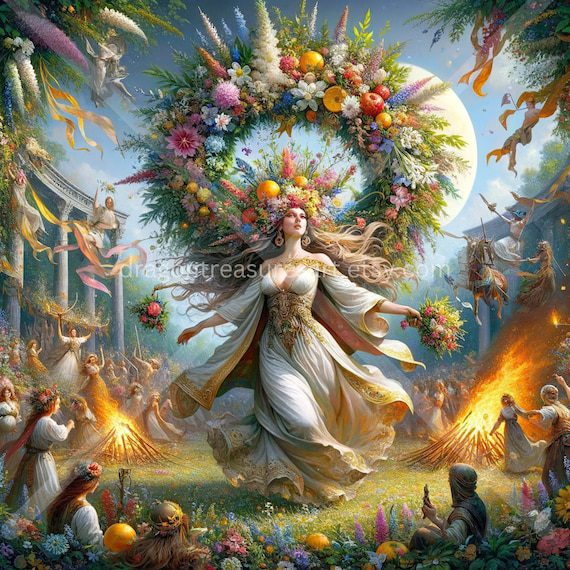
Kupole is a significant figure in Lithuanian mythology, often associated with the summer solstice and the celebration of nature’s bounty. In Lithuanian culture, the summer solstice, known as Joninės or Rasos, is a time of joy and festivities. Kupole embodies the essence of this celebration, symbolizing fertility, the harvest, and the connection between humans and the natural world. Her presence is felt strongly during this time, as she represents the peak of life and growth in nature.
The Origins of Kupole
 Teliavelis
The origins of Kupole can be traced back to ancient times when the Lithuanians worshipped various deities that represented natural elements and phenomena. Kupole is often seen as a goddess of the earth, reflecting the deep connection that the Lithuanians have with their land. This connection is crucial in understanding the role that Kupole plays in Lithuanian culture. Many believe that she has the power to influence the fertility of the soil and the prosperity of crops.
In ancient rituals, Kupole was honored through various ceremonies that celebrated the arrival of summer. These rituals were often held in sacred groves or near rivers, where the natural beauty of the surroundings enhanced the spiritual experience. The people would gather to offer sacrifices, usually in the form of food or flowers, to gain her favor for a fruitful harvest. These practices show how deeply ingrained Kupole is in the agricultural traditions of Lithuania.
Kupole and the Summer Solstice
The summer solstice, occurring around June 21st, is one of the most important celebrations in Lithuanian culture. During this time, Kupole is honored through various festivities. People celebrate with bonfires, singing, and dancing, all aimed at welcoming the light and warmth of the sun. The rituals performed during this time are not only a celebration of nature but also a way to connect with the divine. Kupole is seen as a protector of the harvest, and her blessings are sought to ensure a bountiful yield.
 Junda
JundaOne of the most popular customs associated with Kupole is the weaving of flower crowns. Young women gather flowers and herbs to create beautiful crowns, which they wear during the celebrations. This act symbolizes purity and connection to nature. The crowns are often placed on the heads of those who are to be blessed by Kupole, further emphasizing her role as a goddess of fertility and abundance.
The Symbolism of Kupole
Kupole is rich in symbolism, representing various aspects of life and nature. She is often associated with fertility, not only in terms of agriculture but also in the broader sense of life and growth. Her presence signifies the renewal of life that occurs during the summer months, as plants bloom and animals give birth. This renewal is celebrated through various rituals and festivals that honor her.
In addition to fertility, Kupole is also seen as a symbol of prosperity. Her blessings are believed to ensure that the crops grow healthy and abundant, leading to a successful harvest. This connection to prosperity is vital for the Lithuanian people, who have historically relied on agriculture for their livelihood. By honoring Kupole, they seek to maintain a harmonious relationship with nature, ensuring that their needs are met.
 Indraja
Kupole in Folklore and Legends
Kupole is a prominent figure in Lithuanian folklore, with many legends and stories depicting her character and deeds. These tales often highlight her role as a benevolent goddess who watches over the land and its people. One popular legend tells of a time when a great drought threatened the crops. The people prayed to Kupole for rain, and in response, she sent dark clouds and a gentle rain that revived the fields. This story illustrates her power and compassion, reinforcing the belief that she is always present, ready to assist those who honor her.
Another common theme in these legends is the relationship between Kupole and the natural world. Many stories describe her wandering through the forests and fields, nurturing the plants and animals she encounters. This depiction emphasizes the interconnectedness of all living things and highlights the importance of respecting nature. The stories serve as a reminder to the people of Lithuania to live in harmony with their environment, acknowledging the gifts that Kupole provides.
Modern Celebrations of Kupole
In contemporary Lithuania, the traditions surrounding Kupole continue to thrive, especially during the summer solstice. Modern celebrations often include traditional music, dance, and feasting, creating a vibrant atmosphere that reflects the joy of the season. People gather in parks and open spaces, lighting bonfires and sharing food, much like their ancestors did centuries ago. This connection to the past is a crucial aspect of the celebrations, as it allows people to honor their heritage while enjoying the present.
Additionally, many communities have organized events that focus on preserving and promoting the traditions associated with Kupole. Workshops on flower crown making, traditional dances, and storytelling sessions are common, allowing younger generations to learn about their cultural roots. These events foster a sense of community and help ensure that the legacy of Kupole and the summer solstice celebrations continue for years to come.
Kupole and Nature Conservation
The reverence for Kupole has also sparked a growing interest in nature conservation among the Lithuanian people. As a goddess who embodies the spirit of nature, Kupole serves as a reminder of the importance of protecting the environment. Many people now engage in activities that promote sustainability, such as planting trees, cleaning up natural areas, and supporting local agriculture. This shift in mindset reflects a broader understanding of the need to care for the earth and its resources.
Furthermore, various organizations and initiatives have emerged in Lithuania that focus on environmental education and conservation efforts. These programs often incorporate elements of Lithuanian mythology, including Kupole, to inspire a deeper connection to nature. By integrating cultural heritage with modern conservation efforts, these initiatives aim to foster a sense of responsibility towards the environment among the younger generations.
The Legacy of Kupole
Kupole’s legacy is deeply embedded in Lithuanian culture and continues to influence the lives of the people today. Her role as a symbol of fertility, prosperity, and connection to nature resonates with many, reminding them of the importance of living in harmony with the environment. The stories and traditions associated with Kupole serve as a bridge between the past and the present, ensuring that the wisdom of ancient practices is not lost.
As Lithuania continues to evolve, the celebrations of Kupole remain a vital aspect of cultural identity. They provide an opportunity for individuals and communities to come together, celebrate their heritage, and honor the natural world. This enduring legacy of Kupole illustrates the timeless connection between humanity and nature, highlighting the importance of respecting and nurturing the earth for future generations.