
Bec Mac Buain is a fascinating figure in Irish mythology, often associated with the rich tapestry of stories and legends that define the cultural heritage of Ireland. His name translates to “Bec, son of the herb,” indicating a deep connection to nature and perhaps a role as a guardian of the land. In various tales, he is depicted as a character who embodies the spirit of the earth, making him an important figure in understanding the relationship between the Irish people and their environment.
Origins and Family Background
Bec Mac Buain’s origins are steeped in the mystical elements of Irish folklore. He is said to be the son of the goddess Brigid, who is revered as a deity of healing, poetry, and fertility. This connection to Brigid highlights his role as a figure of nurturing and growth, reflecting the cycles of nature that are so integral to Irish life. His lineage places him within a broader context of divine figures, suggesting that his character carries the weight of responsibility for the natural world.
 Bébinn
In many stories, Bec is described as having siblings who also play significant roles in Irish mythology. These include heroes and heroines who often embark on quests or face trials that test their strength and resolve. The dynamics within this family create a rich backdrop for understanding Bec’s character. As a member of this lineage, he is often caught between the divine and the mortal realms, which adds depth to his adventures and challenges.
Characteristics and Symbolism
Bec Mac Buain is often portrayed as a small yet powerful figure, embodying the idea that great strength can come in small packages. His stature serves as a metaphor for the underdog in Irish tales, where those who may seem insignificant can achieve remarkable feats. This characteristic resonates with many aspects of Irish culture, where resilience and cunning often triumph over brute strength. His size is also symbolic of the humble and often overlooked aspects of nature that are essential for life.
Moreover, Bec’s connection to the earth is significant. He is often associated with the changing seasons, particularly the arrival of spring. This connection emphasizes themes of renewal and rebirth, which are central to many myths. The cycle of life and death, growth and decay, is a recurring motif in Irish stories, and Bec’s character embodies this cycle. His presence signifies the importance of nurturing the land and respecting the natural world.
 Bean Nighe
Adventures and Tales
The tales of Bec Mac Buain are numerous and varied, each contributing to his rich character. One of the most famous stories involves his quest to retrieve a lost treasure that symbolizes the prosperity of the land. This treasure is often depicted as a magical object that has the power to bring abundance and fertility. Throughout his journey, Bec encounters various obstacles and adversaries, testing his wits and courage. These challenges often require him to rely on his intelligence and resourcefulness rather than physical strength.
In another tale, Bec is tasked with defending his homeland from invading forces. This story highlights themes of bravery and loyalty to one’s people. Despite his small size, he demonstrates remarkable cunning, using the landscape to his advantage. His ability to outsmart his enemies rather than confront them head-on speaks to the cleverness often celebrated in Irish folklore. This narrative reinforces the idea that true strength lies in strategy and wisdom.
Key Adventures of Bec Mac Buain
- The Quest for the Lost Treasure
- Defending the Homeland
- Encounter with the Fairy Folk
- The Challenge of the Seasons
Relationships with Other Mythical Figures
Bec Mac Buain’s interactions with other mythical figures add layers to his character and the stories surrounding him. His relationship with Brigid, his mother, is particularly significant. Brigid is not only a goddess of fertility but also a symbol of wisdom and protection. In many tales, her guidance plays a crucial role in shaping Bec’s destiny. This maternal bond emphasizes the importance of family and the passing down of knowledge through generations.
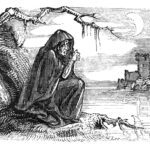 Banshee
Additionally, Bec often crosses paths with other legendary heroes and heroines in Irish mythology. His encounters with figures like Cú Chulainn or Fionn mac Cumhaill create opportunities for collaboration and conflict. These relationships illustrate the interconnectedness of characters within the mythological landscape, where alliances and rivalries shape the course of events. Bec’s ability to navigate these relationships further highlights his intelligence and adaptability.
The Role of Nature in Bec’s Stories
Nature plays a vital role in the stories of Bec Mac Buain, serving as both a backdrop and a character in its own right. The lush landscapes of Ireland, with its rolling hills and vibrant flora, are often depicted in the tales. Bec’s connection to the land reflects a deep respect for nature and its cycles. His adventures often involve interactions with animals, plants, and the elements, emphasizing the harmony between humans and the natural world.
Moreover, the changing seasons are a recurring theme in Bec’s stories. His journeys often coincide with seasonal transitions, highlighting the importance of timing and awareness of nature’s rhythms. For example, his quests may begin in spring, symbolizing new beginnings, and culminate in autumn, representing maturity and harvest. This cyclical view of life is integral to Irish culture, where the land is seen as a living entity deserving of respect and care.
The Legacy of Bec Mac Buain
Bec Mac Buain’s legacy endures in Irish culture, where his stories continue to be told and celebrated. His character embodies values such as resilience, intelligence, and a deep connection to the land. These qualities resonate with modern audiences, reminding us of the importance of nurturing our environment and valuing the wisdom of the past. In many ways, Bec serves as a bridge between ancient traditions and contemporary concerns about nature and sustainability.
In literature and art, Bec’s image is often invoked to symbolize the spirit of the Irish landscape. Artists and writers draw inspiration from his adventures, using his character to explore themes of identity, belonging, and the human experience. This enduring relevance speaks to the power of mythology to transcend time and place, offering insights into the universal struggles and triumphs of life.
Modern Interpretations and Cultural Significance
In recent years, there has been a resurgence of interest in Irish mythology, with figures like Bec Mac Buain gaining renewed attention. Modern interpretations of his stories often explore themes of environmentalism and the need for a harmonious relationship with nature. As contemporary society grapples with issues such as climate change and habitat destruction, Bec’s character serves as a reminder of the interconnectedness of all living things.
Additionally, Bec’s adventures have inspired various forms of media, including literature, theater, and visual arts. Artists and storytellers continue to reinterpret his tales, infusing them with contemporary relevance while honoring their ancient roots. This ongoing engagement with Bec Mac Buain’s legacy highlights the enduring power of myth to inspire and provoke thought in our modern world.
While this article does not include a formal conclusion, it is clear that Bec Mac Buain is a vital part of Irish mythology. His stories reflect the values and beliefs of a culture deeply connected to the land and its natural rhythms. Through his adventures, we gain insight into the complexities of human experience and the importance of nurturing our environment. The legacy of Bec Mac Buain will continue to inspire generations, reminding us of the power of myth to shape our understanding of the world.