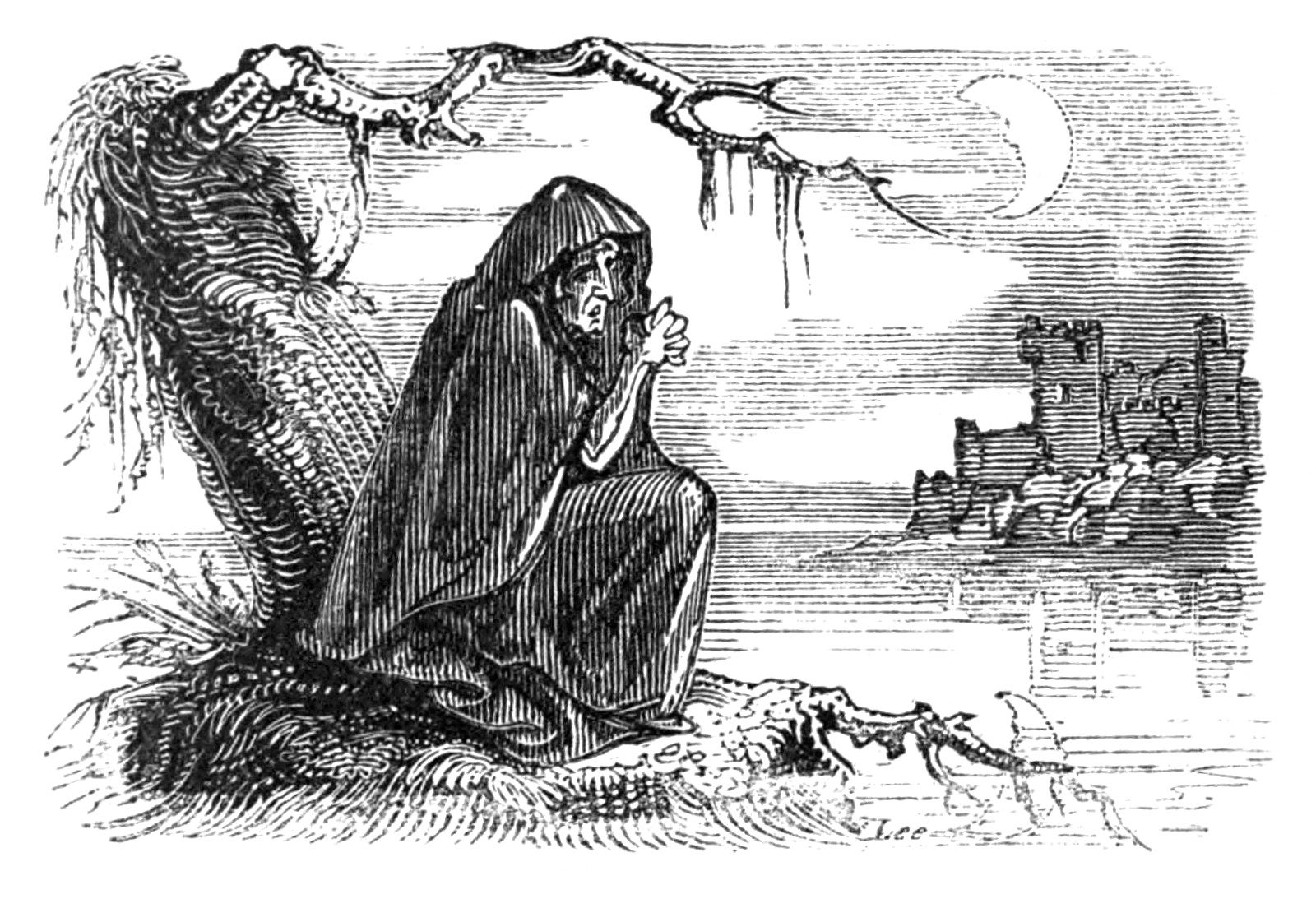
The Banshee, a significant figure in Irish mythology, has captivated the imagination of many for centuries. Known as a female spirit or fairy, the Banshee is often associated with the death of a family member. Her presence is typically heralded by a haunting wail or scream, which serves as a warning to those who may hear it. The Banshee is not just a symbol of death; she also represents the deep cultural ties that the Irish people have with their history, family, and the supernatural.
The Origins of the Banshee
The origins of the Banshee can be traced back to ancient Irish folklore. Many believe that the Banshee is a manifestation of the Tuatha Dé Danann, a mythical race of people in Irish mythology known for their supernatural abilities. These beings are often associated with the Otherworld, a realm that exists parallel to our own, inhabited by fairies and spirits. The Banshee is thought to be a guardian of certain families, especially those of noble lineage, providing a unique connection between the living and the dead.
 Banba
BanbaDifferent regions in Ireland have their own interpretations of the Banshee. In some areas, she is known as the Sídhe or the bean sí, which translates to “woman of the fairy mound.” This name reflects her association with the fairy realm and emphasizes her ethereal nature. The Banshee’s lore varies, but the common thread remains her connection to death and the mourning of loved ones.
Physical Appearance
The appearance of the Banshee is often described in various ways, depending on the source. Traditionally, she is depicted as a beautiful woman with long, flowing hair and a white or grey dress. Some accounts describe her as having a more ghostly appearance, with a gaunt face and a sorrowful expression. This spectral visage adds to the eerie quality of her character, reinforcing her association with death and mourning.
In some stories, the Banshee is portrayed as an old woman, symbolizing the wisdom of age and the inevitability of death. Her appearance can vary widely, with some accounts describing her as a young maiden, while others depict her as a crone. This diversity in representation reflects the complexity of the Banshee’s character, serving as both a harbinger of doom and a figure of compassion for the grieving.
 Balor
BalorThe Banshee’s Cry
The most distinctive feature of the Banshee is her cry, which is said to be a mournful wail or keen. This sound is often described as a chilling, echoing lament that can be heard at night, typically near the home of the person who is about to die. The Banshee’s cry serves as a warning, alerting family members to the impending death of a loved one. Hearing this cry is often considered a sign of great sorrow and is taken very seriously in Irish culture.
- Wailing: The Banshee’s wail is said to be a sound that can send shivers down the spine.
- Keening: This traditional form of mourning is often associated with the Banshee’s cry.
- Symbol of Warning: The cry serves as a warning of death, connecting the living with the supernatural.
Many stories recount instances where families heard the Banshee’s cry just before a death occurred. This phenomenon is so well known that it has become an integral part of Irish cultural identity. The wail is not merely a sign of impending death; it is also a reminder of the deep connections that bind families together, even in the face of loss.
Cultural Significance
The Banshee holds a special place in Irish culture, representing more than just a spirit of death. She embodies the complex relationship that the Irish have with mortality, grief, and family. The Banshee is often viewed as a protector of the family, mourning alongside them in their time of loss. This aspect of her character highlights the communal nature of grief in Irish society, where families come together to support one another during difficult times.
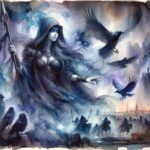 Badb
BadbMoreover, the Banshee is a reminder of the supernatural beliefs that permeate Irish culture. Many people in Ireland still hold onto the idea that the spirit world is closely intertwined with the physical world. The Banshee serves as a bridge between these realms, reinforcing the belief that the dead continue to watch over their loved ones. This connection fosters a sense of continuity, allowing families to feel that their ancestors are still present in their lives.
Regional Variations
Throughout Ireland, different regions have their own variations of the Banshee legend. For instance, in Connacht, she is often depicted as a beautiful woman who appears at the riverbanks, while in Ulster, she is described as a more sinister figure. These regional differences reflect the diverse cultural landscape of Ireland and how local traditions shape the perception of the Banshee.
In some parts of Ireland, the Banshee is said to be connected to specific families, often those of noble descent. In these stories, the Banshee is considered a guardian spirit, watching over the family and mourning their losses. This familial connection adds a layer of depth to the Banshee’s character, transforming her from a mere harbinger of death to a compassionate figure who shares in the family’s grief.
The Banshee in Literature and Media
The Banshee has made her way into various forms of literature and media, becoming a symbol of Irish folklore beyond the borders of Ireland. Many authors have drawn inspiration from her haunting story, incorporating her into their works to evoke themes of loss, grief, and the supernatural. The Banshee’s cry has become synonymous with the idea of a tragic fate, capturing the imagination of readers and audiences alike.
In modern films and television shows, the Banshee often appears as a mystical character, embodying the duality of beauty and horror. Her presence in these narratives often serves to highlight the fragility of life and the inevitability of death. The Banshee’s role in popular culture continues to evolve, reflecting contemporary attitudes toward death and the afterlife.
The Banshee’s Legacy
The legacy of the Banshee endures, remaining a powerful symbol in Irish culture. Her story is passed down through generations, ensuring that the connection between the living and the dead is not forgotten. The Banshee serves as a reminder of the importance of family, the inevitability of loss, and the profound ways in which grief can shape our lives.
Today, many people still share stories of the Banshee, whether in the context of traditional storytelling or as part of personal experiences. This ongoing fascination with the Banshee highlights the enduring nature of folklore and its ability to resonate with individuals across time and space. The Banshee remains a potent symbol of the rich tapestry of Irish mythology, reminding us of the complex emotions tied to love, loss, and the supernatural.