
Aizen Myo’o is a significant figure in Buddhist mythology, particularly within the Japanese Buddhist tradition. Known as the deity of love and desire, Aizen Myo’o is often associated with the transformation of lust and passion into spiritual enlightenment. He is revered in various Buddhist sects, including Shingon and Tendai, and is often depicted in art and sculpture, embodying the dual nature of desire: as a source of suffering and a potential path to liberation. His name translates to “the King of Love,” and he plays a crucial role in the spiritual journey of practitioners who seek to understand and transcend their desires.
Origins of Aizen Myo’o
The origins of Aizen Myo’o can be traced back to ancient Indian Buddhism, where he is known as Avalokiteshvara in some texts. Over time, as Buddhism spread to Japan, Aizen evolved into a unique figure, adapting to the cultural and spiritual needs of the Japanese people. This transformation was influenced by various local beliefs and practices, which blended with Buddhist teachings. In Japan, he is often depicted as a figure who embodies the compassion of Avalokiteshvara while also representing the complexities of human emotions.
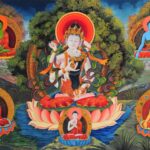 Adi-buddha
Aizen Myo’o is often associated with the Four Heavenly Kings, who protect the Buddhist teachings and help guide practitioners on their spiritual path. His origins are intertwined with the concept of desire as both a hindrance and a teacher. In many stories, Aizen is portrayed as a deity who can help individuals confront their desires and transform them into a deeper understanding of themselves and the world around them.
Symbolism of Aizen Myo’o
Aizen Myo’o is rich in symbolism, which reflects his dual nature as a deity of love and desire. He is often depicted holding a bow and arrows, symbolizing his ability to strike at the hearts of those who are consumed by passion. The arrows represent the force of desire that can lead to both suffering and enlightenment. In this way, Aizen serves as a reminder that desire can be a powerful motivator for change and growth.
His imagery is also associated with the lotus flower, a common symbol in Buddhism representing purity and spiritual awakening. The lotus grows in muddy waters, yet it rises above the surface to bloom beautifully. This symbolizes the potential for individuals to rise above their desires and attachments to achieve spiritual enlightenment. Thus, Aizen Myo’o embodies the journey from the depths of human emotion to the heights of spiritual realization.
 Acala
AcalaPractices and Rituals
In various Buddhist traditions, rituals dedicated to Aizen Myo’o are performed to seek his guidance and blessings. These practices often involve prayer, meditation, and offerings. Devotees may create altars adorned with images of Aizen and present him with items such as fruits, flowers, and incense. These offerings symbolize gratitude and the desire for spiritual growth.
One common ritual is the Aizen Myo’o Goma, a fire ceremony where practitioners chant sutras and make offerings to Aizen. The fire represents the burning away of negative emotions and desires, allowing for purification and transformation. Participants believe that by engaging in this ritual, they can overcome obstacles in their lives and cultivate a deeper understanding of their desires.
Artistic Representations
Aizen Myo’o has been a popular subject in Japanese art, particularly in temple sculptures and paintings. Artists often depict him in vibrant colors, emphasizing his connection to love and desire. His representation typically includes multiple arms, each holding various symbols associated with his powers, such as the bow and arrows, which signify his ability to control desire.
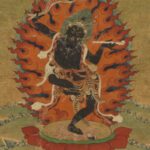 Yeti
YetiOne of the most famous depictions of Aizen Myo’o can be found at the Hase-dera Temple in Kamakura, where a stunning statue captures his essence. The intricate details of the sculpture reflect the skill and devotion of the artists who created it. Such representations serve as a focal point for devotees, allowing them to connect with Aizen’s teachings and seek his guidance in their spiritual journeys.
Aizen Myo’o in Modern Buddhism
In contemporary Buddhism, Aizen Myo’o continues to hold significance for practitioners seeking to navigate the complexities of human emotions. Many modern Buddhist teachings emphasize the importance of understanding and transforming desire rather than suppressing it. Aizen serves as a powerful symbol of this approach, encouraging individuals to embrace their feelings while also seeking a higher purpose.
Workshops and retreats focused on Aizen Myo’o often explore themes of mindfulness, compassion, and emotional intelligence. Practitioners learn to observe their desires without judgment and to cultivate a sense of awareness that can lead to deeper insights. This modern interpretation of Aizen’s teachings emphasizes the importance of emotional health in the spiritual journey.
Aizen Myo’o and Relationships
Aizen Myo’o is particularly relevant in discussions about relationships and the nature of love. His teachings encourage individuals to examine their desires within the context of their connections with others. By understanding the motivations behind their feelings, practitioners can foster healthier relationships and cultivate a deeper sense of compassion.
Many individuals turn to Aizen Myo’o during times of emotional turmoil or relationship challenges. By invoking his guidance, they seek clarity and understanding of their desires and how these desires impact their interactions with others. This process often leads to personal growth and a greater appreciation for the complexities of love.
Aizen Myo’o is a profound figure in Buddhist mythology, representing the intricate relationship between desire and spiritual enlightenment. His teachings offer valuable insights for practitioners navigating the challenges of human emotion and relationships. Through rituals, artistic representations, and modern interpretations, Aizen continues to inspire individuals on their spiritual journeys, guiding them toward a deeper understanding of themselves and their desires.