
Astarte is a significant figure in Canaanite mythology, representing fertility, love, and war. Known by various names in different cultures, Astarte is often associated with the goddess Ishtar in Mesopotamian mythology and Aphrodite in Greek mythology. This article delves into the origins, attributes, and worship of Astarte, exploring her role within the Canaanite pantheon and her influence on neighboring cultures. By examining ancient texts and archaeological findings, we can gain a deeper understanding of this powerful goddess and her lasting impact on religious practices in the ancient Near East.
Origins of Astarte
The origins of Astarte can be traced back to the ancient Near East, particularly in the region known as Canaan. She is believed to have evolved from earlier goddesses, reflecting the changing cultural and religious landscape of the area. In Canaanite mythology, Astarte is often depicted as a warrior goddess, symbolizing the fierce and protective aspects of femininity. Her worship likely emerged during the Bronze Age, when agricultural societies began to flourish and the need for fertility and protection became paramount.
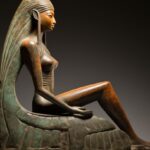 Ashima
In ancient texts, Astarte is frequently mentioned alongside other deities, such as Baal and El. These relationships highlight her importance within the Canaanite pantheon. Baal, the storm god, is often associated with agricultural fertility, while Astarte complements this by representing the fertility of women and the earth. This duality showcases the interconnectedness of their roles in ensuring the survival and prosperity of the Canaanite people.
Archaeological evidence supports Astarte’s significance in Canaanite society. Numerous artifacts, including figurines and inscriptions, have been discovered in sites across the region. These findings indicate that Astarte was not only revered as a goddess of love and war but also as a central figure in fertility rituals and agricultural practices. Her worship reflects the values and beliefs of the Canaanites, emphasizing the importance of fertility and protection in their daily lives.
Attributes of Astarte
Astarte embodies various attributes that reflect her multifaceted nature. Primarily, she is seen as a goddess of fertility, symbolizing both the fertility of the earth and the fertility of women. This dual aspect made her a vital figure in agricultural societies, where the success of crops and the continuation of family lines were essential for survival. Rituals dedicated to Astarte often involved offerings of grain, fruits, and livestock, signifying gratitude for her blessings.
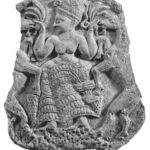 Asherah
In addition to her role as a fertility goddess, Astarte is also associated with war. She is often depicted armed and ready for battle, representing the fierce protection of her followers. This martial aspect highlights the belief that divine intervention could influence the outcomes of conflicts. Canaanite warriors would invoke her name before going into battle, seeking her favor and protection against their enemies. Her duality as both a nurturing and a warlike figure showcases the complexities of femininity in ancient mythology.
Astarte’s imagery further reinforces her attributes. She is commonly represented with symbols such as the lion and the serpent, both of which carry connotations of strength and protection. Additionally, she is often depicted with a mirror, symbolizing beauty and love. This blend of attributes makes Astarte a powerful and revered goddess within the Canaanite religion, embodying the essential elements of life, war, and love.
Worship and Rituals
The worship of Astarte was an integral part of Canaanite religious practices. Temples dedicated to her were constructed in various cities, serving as centers for ritual and community gatherings. These temples were often elaborately decorated, reflecting the goddess’s significance and the reverence in which she was held. Priests and priestesses conducted rituals to honor Astarte, which included offerings, prayers, and sacrifices aimed at securing her favor.
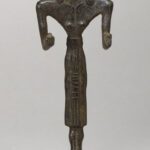 Anath
AnathRituals associated with Astarte often revolved around the themes of fertility and abundance. One common practice involved the performance of sacred rites during the planting and harvest seasons. These rituals sought to ensure a bountiful harvest and the fertility of livestock, essential for the survival of the community. Participants would engage in dances, songs, and offerings, creating a festive atmosphere that celebrated the goddess’s blessings.
Another notable aspect of Astarte’s worship was the practice of sacred prostitution, which was believed to honor her as a goddess of love and fertility. Women would engage in sexual acts as a form of worship, symbolizing the sacred union between the goddess and her followers. This practice was controversial and often misunderstood by outsiders, but it played a crucial role in the religious landscape of ancient Canaan.
Astarte in Ancient Texts
Astarte is referenced in various ancient texts, providing insight into her role and significance in Canaanite culture. The Ugaritic texts, discovered in modern-day Syria, contain numerous mentions of Astarte alongside other deities. These texts highlight her attributes, relationships with other gods, and the rituals dedicated to her worship. They also reveal the complex nature of Canaanite religion, showcasing the interplay between different deities and their respective roles.
The Hebrew Bible also references Astarte, often in the context of warning against her worship. The Israelites, as they settled in Canaan, encountered the worship of Astarte and other deities, which led to conflicts and tensions within their own religious practices. The biblical texts portray Astarte as a foreign goddess, representing the challenges of maintaining monotheism in a polytheistic environment. This perspective illustrates the cultural and religious interactions between the Israelites and the Canaanites.
In addition to the Ugaritic texts and the Hebrew Bible, Astarte is mentioned in inscriptions from neighboring cultures. For example, the Egyptians referred to her as “Astar,” and she was often depicted in their art and literature. These references indicate that Astarte’s influence extended beyond Canaan, highlighting her importance in the broader context of ancient Near Eastern religions. Such texts contribute to our understanding of her worship and the cultural exchanges that occurred in the region.
Astarte’s Influence on Neighboring Cultures
Astarte’s influence was not confined to Canaan; she had a profound impact on neighboring cultures, particularly in the regions of Mesopotamia and Egypt. In Mesopotamian mythology, Astarte is often equated with the goddess Ishtar, who embodies similar attributes of love, war, and fertility. The worship of Ishtar included rituals and practices that mirrored those of Astarte, showcasing the cultural exchanges that occurred between these ancient civilizations.
In Egypt, Astarte was known as “Astar,” and her worship was integrated into the Egyptian pantheon. She was associated with the goddess Hathor, who shared similar qualities of love and fertility. The Egyptians honored Astar in various ways, including the construction of temples and the offering of sacrifices. This syncretism highlights how Astarte’s attributes resonated with the religious beliefs of neighboring cultures, further cementing her place in the ancient Near Eastern religious landscape.
The spread of Astarte’s worship can also be seen in the Greek pantheon, where she is often identified with the goddess Aphrodite. The parallels between Astarte and Aphrodite emphasize the shared themes of love and beauty that transcended cultural boundaries. As the Greeks encountered Canaanite culture, they adopted and adapted various elements of Astarte’s worship, leading to the emergence of new religious practices that blended aspects of both traditions.
Modern Interpretations of Astarte
In contemporary times, Astarte has garnered attention from scholars and practitioners interested in ancient religions. Modern interpretations of Astarte often emphasize her role as a symbol of feminine power and divine femininity. Many view her as a representation of the strength and resilience of women, drawing on her attributes of love, fertility, and war. This perspective resonates with contemporary movements that seek to reclaim and celebrate feminine power in various cultural contexts.
Furthermore, Astarte’s story has inspired various forms of art and literature. Writers and artists have drawn upon her imagery and attributes to explore themes of love, war, and femininity. This artistic engagement reflects the enduring legacy of Astarte and her relevance in modern discourse. By reinterpreting her narrative, contemporary creators contribute to the ongoing conversation about the roles of women in mythology and society.
Additionally, some modern spiritual practices incorporate elements of Astarte’s worship, reflecting a resurgence of interest in ancient deities. Neopagan and Wiccan traditions, for example, often include invocations of Astarte as a goddess of love and fertility. These practices seek to connect with the divine feminine and honor the ancient traditions that have shaped spiritual beliefs over time. This revival highlights the timelessness of Astarte’s attributes and the continued relevance of her story in the modern world.
Astarte’s significance in Canaanite mythology cannot be overstated. As a goddess of love, war, and fertility, she embodies the complexities of femininity and the essential elements of life in ancient societies. Her worship, rituals, and attributes reveal the values and beliefs of the Canaanites, while her influence extends beyond regional boundaries into neighboring cultures. Today, Astarte continues to inspire and resonate with those who seek to understand and celebrate the divine feminine, showcasing the enduring legacy of this powerful goddess.