
Ashima is a fascinating figure in Canaanite mythology. She represents a unique aspect of the ancient beliefs held by the people of Canaan, which is present-day Lebanon, Israel, and parts of Syria and Jordan. Ashima is often associated with the moon and fertility, and her worship can be traced back to the ancient cities of the Canaanite civilization. The stories and legends surrounding Ashima reveal much about the cultural practices, religious beliefs, and social structures of the Canaanites. Understanding her significance helps to paint a broader picture of the ancient Near East and the various deities worshipped by its inhabitants.
The Origins of Ashima
The origins of Ashima can be linked to the ancient Near Eastern pantheon of gods and goddesses. She is believed to be a goddess of fertility, which was a crucial aspect of life for the Canaanites, who relied heavily on agriculture. The Canaanites worshipped many deities, and each had specific roles and responsibilities. Ashima, in particular, was often invoked during times of need, especially when it came to issues of fertility, both in terms of crops and childbirth. The ancient texts indicate that she was revered in various regions, showing her widespread importance in Canaanite society.
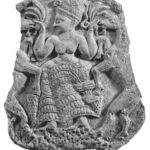 Asherah
Ashima is frequently associated with the goddess Astarte, who is known for her connections to love and war. This association may suggest that Ashima’s role was multifaceted, encompassing various aspects of life and nature. As a fertility goddess, Ashima was called upon by women who sought to conceive, as well as by farmers hoping for bountiful harvests. The intertwining of her identity with other deities highlights the complex nature of Canaanite mythology, where gods and goddesses often shared characteristics and domains.
The Worship of Ashima
The worship of Ashima took place in various forms, including rituals, sacrifices, and festivals. Canaanite religious practices were deeply rooted in their understanding of the world around them, and their deities were seen as integral to the success of their agricultural society. Ashima was honored through offerings of food, wine, and other valuable items, which were believed to please her and ensure her favor. Such practices demonstrate the Canaanites’ reliance on their gods for sustenance and survival.
Rituals dedicated to Ashima often involved communal gatherings where people would come together to pray and celebrate. These events fostered a sense of community and shared belief, reinforcing social bonds among the participants. The importance of communal worship cannot be overstated, as it allowed individuals to express their devotion and seek divine intervention collectively. The rituals also provided a structured way for the Canaanites to connect with their beliefs and maintain their cultural identity.
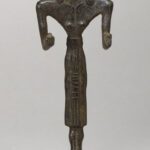 Anath
AnathTypes of Rituals
- Offerings: Sacrifices of animals or agricultural products.
- Prayers: Invocations for fertility and abundance.
- Festivals: Seasonal celebrations marking important agricultural cycles.
In addition to formal rituals, Ashima was also part of daily life for many Canaanites. People would often invoke her name in their personal prayers or during significant life events. The belief in her power over fertility made her a figure of hope and strength for families. Her presence in daily life highlights the deep-rooted connection between the Canaanites and their deities, showing that worship was not limited to specific occasions but was an ongoing aspect of existence.
Symbolism and Iconography
Ashima’s symbolism is rich and varied, often reflecting her association with fertility and the moon. The moon has long been a symbol of femininity and fertility in many cultures, and Ashima embodies these qualities in Canaanite mythology. She is often depicted with attributes that signify her role as a nurturing figure, such as a crescent moon or agricultural symbols like grains and fruits. These representations serve to remind the Canaanites of her importance in their lives and the natural cycles of the world.
The iconography associated with Ashima can also be seen in artifacts discovered by archaeologists in ancient Canaanite sites. These artifacts, including pottery and figurines, provide insight into how the Canaanites visualized their goddess. Many of these items feature intricate designs that highlight her connection to nature and fertility. The craftsmanship involved in creating these pieces indicates the reverence that the Canaanites had for Ashima, as they sought to honor her through their art.
 Elyon
ElyonCommon Symbols
- Crescent moon: Represents her lunar associations.
- Grains: Symbolizes fertility and agricultural abundance.
- Fruits: Reflects the nurturing aspect of her character.
The use of symbolism in the worship of Ashima extends beyond physical representations. The Canaanites often used metaphors and stories to convey their beliefs about her power and influence. Myths surrounding Ashima illustrate her role in the natural world, emphasizing her connection to the cycles of life and death. These narratives served not only to explain natural phenomena but also to instill a sense of hope and resilience among the people.
Ashima in Canaanite Society
Ashima’s role in Canaanite society was not just limited to religious practices; she was also a significant cultural figure. Her influence extended into various aspects of daily life, including family, agriculture, and community. The reverence for Ashima reflected the values and priorities of the Canaanite people, who relied on the land for their survival. Her worship highlighted the importance of fertility and abundance, which were vital for the sustenance of families and the community as a whole.
Women, in particular, held a special connection to Ashima, as she was seen as a protector of childbirth and family life. The Canaanite society was patriarchal, but the worship of fertility goddesses like Ashima allowed women to carve out a space for themselves within the religious framework. They could seek her guidance and favor in matters of motherhood and family, empowering them in a society that often marginalized their voices.
Impact on Family and Community
- Childbirth: Women prayed to Ashima for safe deliveries.
- Agriculture: Farmers sought her blessing for fruitful harvests.
- Community: Festivals brought people together in shared worship.
The festivals dedicated to Ashima served as important social events that strengthened community ties. These gatherings were not only religious in nature but also provided opportunities for social interaction and cultural expression. They allowed individuals to come together, share their experiences, and celebrate their shared beliefs. The sense of belonging fostered by these events was crucial in maintaining the cohesion of Canaanite society.
Comparisons with Other Mythologies
Ashima’s attributes and significance can be compared to those of other fertility goddesses in different cultures. For example, in ancient Egyptian mythology, the goddess Isis shares similarities with Ashima, as both are associated with fertility, motherhood, and the nurturing of life. Similarly, in Greek mythology, Demeter is known as the goddess of agriculture and fertility, highlighting the universal importance of these themes across various cultures. Such comparisons allow us to understand the shared human experience of revering deities that embody essential aspects of life.
The parallels between Ashima and other fertility goddesses suggest that the Canaanites were part of a larger cultural tapestry that transcended geographical boundaries. These shared themes in mythology reflect the common challenges faced by ancient societies, such as the need for food, survival, and the continuation of life. By examining Ashima alongside other deities, we can gain insights into the cultural exchanges and influences that shaped the ancient Near East.
Similar Fertility Goddesses
- Isis (Egyptian mythology): Goddess of motherhood and fertility.
- Demeter (Greek mythology): Goddess of agriculture and the harvest.
- Freya (Norse mythology): Goddess associated with love, fertility, and war.
The study of Ashima and her counterparts in other mythologies underscores the significance of fertility in ancient cultures. The worship of such deities reveals how societies understood and responded to the challenges of their environment. By honoring these goddesses, ancient peoples sought to align themselves with the forces of nature and ensure their survival and prosperity.
The Legacy of Ashima
Despite the passage of time, Ashima’s legacy continues to resonate in modern discussions of ancient mythology and religion. Her story and significance reflect the values and beliefs of the Canaanite civilization, providing valuable insights into their way of life. As scholars and enthusiasts explore the ancient world, the figure of Ashima serves as a reminder of the rich tapestry of beliefs that shaped human history.
The decline of the Canaanite civilization and the rise of other cultures, such as the Israelites, led to changes in religious practices. Many ancient deities, including Ashima, faded from prominence as new belief systems emerged. However, the remnants of her worship can still be found in archaeological findings and ancient texts, preserving her memory for future generations. The study of Ashima contributes to our understanding of the complexities of ancient religions and the ways in which they influenced society.
Continuing Relevance
- Archaeological discoveries: Provide insights into Canaanite worship practices.
- Comparative mythology: Helps us understand shared human experiences.
- Cultural studies: Reflects the values of ancient societies.
In contemporary discussions, Ashima’s legacy can also be seen in the ongoing interest in fertility and motherhood in various cultures. The reverence for fertility goddesses highlights the importance of these themes across time and space. As modern societies grapple with issues related to family, reproduction, and the environment, the stories of figures like Ashima remind us of the enduring human connection to nature and the divine.
Ashima stands as a significant figure in Canaanite mythology, representing fertility, nurturing, and the cyclical nature of life. Her worship reveals the deep connection the Canaanites had with their environment and the importance they placed on community and family. Through the study of Ashima, we gain valuable insights into the beliefs, practices, and values of an ancient civilization that has shaped the course of history. Her legacy continues to resonate, reminding us of the universal themes of life, fertility, and the human experience.