
Astronoe is a significant figure in Canaanite mythology, representing a complex blend of ancient beliefs and cultural practices. The Canaanites, who lived in the region that includes modern-day Israel, Lebanon, and parts of Syria and Jordan, had a rich tapestry of gods and goddesses. Astronoe is often associated with the celestial and the divine, embodying the essence of the night sky and its mysteries. Her story intertwines with various aspects of Canaanite life, from agriculture to spirituality, reflecting the deep connection that ancient peoples had with their environment and the cosmos.
The Role of Astronoe in Canaanite Mythology
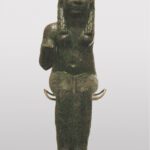 Astarte
In Canaanite mythology, Astronoe is primarily known as a goddess of the stars. She is often depicted as a celestial being who governs the night sky. The Canaanites believed that the stars were not just distant objects but were imbued with divine significance. They thought that these celestial bodies influenced their daily lives, from farming cycles to navigation. Astronoe, as the personification of the stars, played a crucial role in guiding the Canaanites through their agricultural practices. The phases of the moon and the positions of stars were vital for determining the right times to plant and harvest crops.
Her influence extended beyond agriculture. Astronoe was also seen as a protector of travelers and those who ventured into the unknown. In a time when the night could be a treacherous period, having a guiding star was essential for safe passage. This aspect of her mythology highlights the importance of navigation and exploration in Canaanite culture. The stories surrounding Astronoe often included themes of guidance and protection, emphasizing her role as a benevolent deity who watched over her followers.
Astronoe’s Symbolism
Astronoe is often symbolized by various celestial objects, with the most notable being the moon and the constellations. The moon, in particular, holds significant meaning in many cultures, including the Canaanites. It represents change, cycles, and the passage of time. The waxing and waning of the moon were closely observed by the Canaanites, as they believed these phases had a direct impact on their lives. Astronoe’s connection to the moon emphasizes her role in the natural cycles of life, reflecting the rhythm of planting and harvesting.
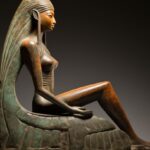 Ashima
Additionally, constellations played an important role in Canaanite society. Each constellation was often associated with different myths and stories. Astronoe was believed to have a hand in the creation of these constellations, weaving the stars into patterns that held stories of heroes, gods, and creation. This aspect of her mythology illustrates the interconnectedness of the cosmos and human experience, showcasing how the Canaanites sought to understand their world through the lens of the stars.
The Worship of Astronoe
The worship of Astronoe was integral to Canaanite religious practices. Temples dedicated to her were often built in elevated areas, allowing her followers to gaze upon the stars and feel a connection to the divine. Rituals performed in her honor included offerings of food, incense, and sometimes even crafted star-shaped symbols. These offerings were intended to please Astronoe and seek her favor for bountiful harvests and safe journeys.
One of the most significant festivals dedicated to Astronoe occurred during the harvest season. This festival was marked by communal gatherings where people would come together to celebrate the blessings of the land. Music, dance, and storytelling were common, with participants sharing tales of Astronoe and her guidance. Such celebrations not only honored the goddess but also strengthened community bonds, as the Canaanites recognized the importance of working together to ensure their survival.
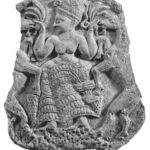 Asherah
Astronoe in Canaanite Literature
Astronoe appears in various ancient texts and inscriptions, highlighting her importance in Canaanite literature. These texts often describe her attributes and the reverence that her followers had for her. Some stories depict her as a nurturing figure, providing guidance and wisdom to those who sought her counsel. Others portray her as a fierce protector, using her celestial powers to ward off evil forces that threatened her followers.
The literary depictions of Astronoe often reflect the values and beliefs of Canaanite society. Themes of balance between light and darkness, knowledge and ignorance, are prevalent in the stories. Astronoe serves as a reminder of the importance of understanding the cosmos and one’s place within it. These narratives not only entertained but also educated the Canaanites about their environment and the spiritual world they inhabited.
Astronoe and Other Deities
Astronoe is often mentioned alongside other Canaanite deities, creating a rich tapestry of divine relationships. One of the most notable figures she is associated with is Baal, the storm god. Baal represents the forces of nature, while Astronoe embodies the celestial realm. Their stories often intertwine, with Astronoe providing guidance to Baal during his battles against chaos and darkness. This relationship symbolizes the balance between the earthly and the divine, showcasing how the Canaanites viewed their gods as interconnected forces.
Another important deity in relation to Astronoe is Astarte, the goddess of war and fertility. Astarte’s domain overlaps with Astronoe’s in various myths, where they collaborate to ensure prosperity for the land. Astarte’s strength complements Astronoe’s wisdom, highlighting the Canaanite belief in the necessity of both nurturing and protective forces in their lives. The stories of these deities together illustrate the complexities of Canaanite spirituality, emphasizing the need for harmony between different aspects of existence.
Modern Interpretations of Astronoe
In contemporary times, Astronoe’s figure has been revisited by scholars and enthusiasts of mythology. As interest in ancient cultures grows, so does the exploration of deities like Astronoe, who offer insights into the values and beliefs of the Canaanites. Modern interpretations often focus on her role as a symbol of guidance and protection, drawing parallels to contemporary themes of empowerment and resilience.
Many artists and writers have found inspiration in Astronoe’s story, using her as a muse for creative works that explore themes of connection to the cosmos. In literature, she is often portrayed as a strong female figure, representing the power of women in ancient societies. This modern perspective allows for a deeper understanding of the significance of Astronoe in Canaanite culture, as well as her relevance in today’s world.
The Legacy of Astronoe
The legacy of Astronoe continues to resonate in various aspects of culture and spirituality. Her stories remind us of the importance of the natural world and our connection to it. The Canaanites’ reverence for the stars and their belief in the guidance they provide can inspire contemporary practices of mindfulness and awareness of our surroundings. Astronoe serves as a symbol of hope and guidance, encouraging individuals to seek knowledge and understanding in their own lives.
Furthermore, the exploration of Astronoe’s mythology contributes to the broader understanding of Canaanite culture and its influence on neighboring civilizations. The Canaanites’ beliefs about the cosmos and their deities have left a lasting impact on the development of later religions and mythologies. By studying figures like Astronoe, we gain insight into the shared human experience of seeking meaning in the universe and our place within it.