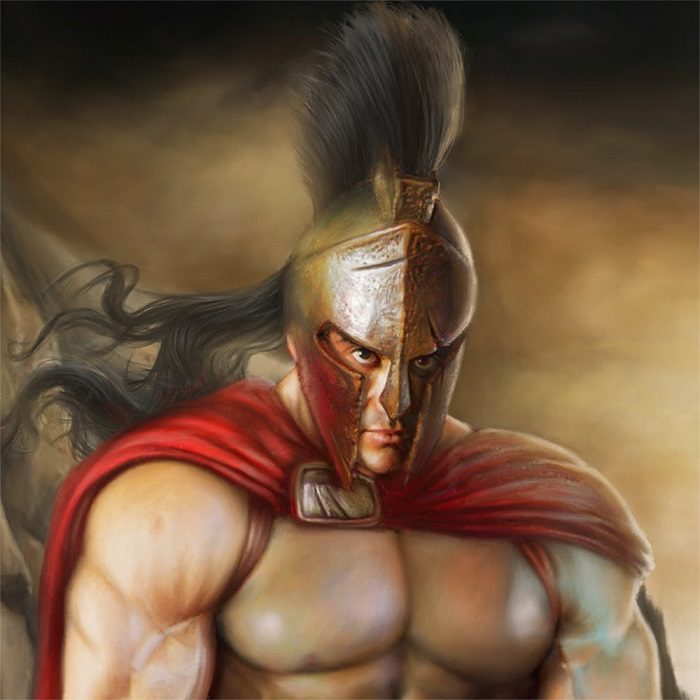
In Greek mythology, Autolycus is a fascinating figure known for his cunning and thievery. He is often described as the son of Hermes, the messenger god, and Chione, the daughter of the god of the North Wind. Autolycus is celebrated for his exceptional skills in stealing and trickery, which made him a legendary figure in the tales of ancient Greece. His stories often reflect the themes of intelligence, deceit, and the complexities of human nature. Throughout mythology, he is portrayed as both a rogue and a charming character, capable of outsmarting others with his cleverness.
The Lineage of Autolycus
Autolycus’s parentage is significant in understanding his character. As the son of Hermes, he inherited not only the god’s swift movements but also his cunning nature. Hermes was known for his role as a trickster and a thief, traits that Autolycus exemplified in his own life. The relationship between Autolycus and Hermes reflects a deeper connection to the themes of intelligence and deception that permeate Greek mythology. This lineage set the stage for Autolycus’s adventures, making him a natural thief and a master of disguise.
 Demeter
Furthermore, Autolycus is often linked to the region of Phocis, where he is said to have lived. His reputation as a thief was so profound that people would often speak of him in awe and fear. The tales of his exploits spread far and wide, making him a figure of both admiration and caution. The mythological context surrounding his lineage and homeland contributes to the richness of his character, showcasing the duality of his nature as both a charming rogue and a dangerous trickster.
The Adventures of Autolycus
Autolycus is known for several notable adventures that highlight his skills and cunning. One of the most famous stories involves his encounter with Odysseus, the hero of the Trojan War. According to myth, Odysseus sought out Autolycus to retrieve his stolen cattle. Autolycus, being the clever thief that he was, managed to outwit Odysseus by disguising himself and creating elaborate tricks. This encounter not only showcases Autolycus’s skills but also emphasizes the themes of rivalry and respect among heroes in Greek mythology.
In another tale, Autolycus is said to have stolen from travelers and merchants, using his charm and quick wit to escape capture. His ability to blend into different situations made him a master thief. He would often leave no trace behind, making it nearly impossible for anyone to catch him. This aspect of his character resonates with the idea of the trickster archetype in mythology, where the character’s cleverness and agility allow them to navigate challenges and adversaries effectively.
 Maenads
Notable Characteristics
- Cunning: Autolycus’s intelligence and quick thinking set him apart from others.
- Charm: His ability to charm those around him often helped him escape difficult situations.
- Agility: His swift movements, inherited from Hermes, allowed him to evade capture.
- Resourcefulness: Autolycus was known for his ability to devise clever plans to achieve his goals.
These characteristics made Autolycus a memorable figure in Greek mythology. His adventures often serve as cautionary tales about the consequences of deceit and trickery. While he was admired for his skills, he also faced challenges and rivalries that tested his cunning and resourcefulness. These narratives enrich the mythological landscape, illustrating the complexities of human nature and the moral dilemmas faced by characters like Autolycus.
Autolycus and the Heroic Tradition
Autolycus occupies a unique position within the larger framework of Greek mythology, particularly in relation to the heroic tradition. While he is not a traditional hero like Hercules or Achilles, his adventures and interactions with these figures reveal much about the nature of heroism. Autolycus embodies a different kind of heroism, one rooted in wit and intelligence rather than brute strength. His cleverness often allows him to outsmart those who rely solely on physical prowess, showcasing the value of intellect in overcoming challenges.
Moreover, Autolycus’s relationship with Odysseus highlights the interplay between different types of heroes. Odysseus, known for his strategic mind and bravery, often finds himself at odds with Autolycus, whose cunning can match his own. This dynamic illustrates the complexities of heroism in Greek mythology, where different attributes—strength, intelligence, and charm—are all valued in their own right. The stories of Autolycus serve as a reminder that heroism can take many forms, and that intelligence and wit are just as powerful as physical strength.
 Balius
The Legacy of Autolycus
The legacy of Autolycus extends beyond the tales of his adventures. He has been referenced in various works of literature and art throughout history. His character often serves as a symbol of cleverness and resourcefulness, inspiring stories that explore the complexities of human nature. In many ways, Autolycus represents the duality of man—the capacity for both good and evil, charm and deceit. His legacy continues to resonate in modern interpretations of mythology, where themes of cunning and trickery are still prevalent.
Additionally, Autolycus’s influence can be seen in various literary works that draw on the archetype of the trickster. From Shakespearean characters to modern-day antiheroes, the traits embodied by Autolycus have left an indelible mark on storytelling. His ability to navigate challenges through wit and charm serves as a template for characters who defy conventional norms and challenge the status quo. This enduring legacy speaks to the timeless appeal of characters who embody the complexities of human behavior.
Autolycus in Popular Culture
In contemporary culture, Autolycus has found his way into various forms of media, from literature to film and television. His character often appears as a charming rogue, reminiscent of classic trickster archetypes. In some adaptations, he is portrayed with a sense of humor and a lighthearted approach to his thievery, making him a beloved character among audiences. This modern interpretation emphasizes the entertaining aspects of his personality while still acknowledging his cunning nature.
Moreover, the stories of Autolycus continue to inspire new narratives that explore themes of deception and intelligence. His character has been reimagined in various settings, showcasing the adaptability of mythological figures in contemporary storytelling. The influence of Autolycus can be seen in characters who navigate complex situations with wit and charm, demonstrating the timeless relevance of his archetype in popular culture.
While this article has explored the multifaceted character of Autolycus, his stories and legacy continue to captivate audiences. His cunning, charm, and adventures serve as a reminder of the complexities of human nature and the various forms of heroism present in mythology. Autolycus remains a significant figure in Greek mythology, embodying the duality of intelligence and deception that resonates throughout human history.