
Asherah is a significant figure in Canaanite mythology, known as a goddess associated with fertility, motherhood, and the sea. She is often depicted as the wife of the chief god, El, and plays a crucial role in the pantheon of deities worshipped by the ancient Canaanites. The worship of Asherah was widespread, and she was revered in various forms throughout the ancient Near East. Her name appears in numerous ancient texts, including inscriptions and biblical references, highlighting her importance in the religious practices of the time.
The Origins of Asherah
The origins of Asherah can be traced back to the ancient Semitic cultures of the Near East. She is believed to have been worshipped as early as the third millennium BCE. Asherah’s name is derived from the root word that means “to be straight” or “to be blessed,” which reflects her association with fertility and growth. Asherah was often depicted as a nurturing mother figure, embodying the qualities of love, protection, and sustenance. Her worship was deeply rooted in the agricultural practices of the Canaanites, as she was seen as a vital force in ensuring a bountiful harvest.
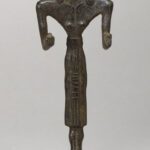 Anath
AnathArchaeological evidence suggests that Asherah was venerated alongside other deities in Canaanite temples. Stelae and inscriptions have been found that reference her in connection with sacred trees, particularly the Asherah pole, which symbolized her presence. These poles were often placed near altars, indicating her importance in rituals and sacrifices. The Asherah pole itself became a significant symbol of her worship, representing both her divine nature and her connection to the earth.
Asherah in Canaanite Religion
In Canaanite religion, Asherah was part of a complex pantheon that included various gods and goddesses. She was often associated with the god Baal, the storm god, who was considered a major deity in the region. Together, they represented the duality of nature, with Asherah embodying the nurturing aspects of the earth and Baal representing the forces of chaos and destruction. This duality was essential for the balance of life, as both fertility and storms were necessary for agricultural success.
The worship of Asherah involved various rituals and practices. Offerings were made to her in the form of food, incense, and sometimes even animal sacrifices. These rituals were conducted to seek her favor for fertility, both in terms of crops and human reproduction. The presence of Asherah in the household was also significant, as families would often have small shrines dedicated to her, indicating her role in domestic life and family well-being.
 Elyon
ElyonSymbolism and Iconography
Asherah is often depicted in ancient art and iconography in various forms. One of the most common representations is that of a woman, sometimes with a tree or a pole, symbolizing her connection to nature and fertility. In many depictions, she is shown with nurturing attributes, such as holding a child or surrounded by animals, which reinforces her role as a mother goddess. The imagery associated with Asherah often reflects the themes of growth, life, and sustenance, highlighting her importance in the agricultural cycles of the Canaanites.
In addition to her depictions as a mother figure, Asherah is also represented as a goddess of the sea. This duality in her symbolism emphasizes her connection to both the land and the waters, showcasing her ability to provide for her worshippers in various ways. The sea was seen as a source of life, providing fish and other resources, which made Asherah’s association with it significant for coastal communities. Her presence in both terrestrial and marine environments made her a versatile and vital deity in the Canaanite pantheon.
 Aion
AionAsherah and the Hebrew Bible
The figure of Asherah appears in the Hebrew Bible, where she is often mentioned in the context of Israelite worship practices. The Israelites initially adopted some aspects of Canaanite religion, including the worship of Asherah. However, as the monotheistic faith of Judaism developed, Asherah became associated with idolatry and was condemned in biblical texts. The biblical authors often depicted Asherah as a rival to Yahweh, the God of Israel, highlighting the tensions between monotheism and polytheism.
In several passages, the Israelites are admonished for setting up Asherah poles and engaging in rituals dedicated to her. This practice was viewed as a significant transgression against the worship of Yahweh. The destruction of Asherah poles and shrines is mentioned in the context of reforms undertaken by kings such as Hezekiah and Josiah, who sought to eliminate foreign influences and restore exclusive worship of Yahweh. These biblical narratives reflect the struggle between traditional Canaanite beliefs and the emerging monotheistic identity of the Israelites.
Asherah in Modern Scholarship
Modern scholarship has increasingly recognized the importance of Asherah in understanding ancient Near Eastern religions. Archaeological discoveries, including inscriptions and artifacts, have shed light on her worship and significance. Scholars have explored the role of women in ancient religions, emphasizing Asherah’s position as a powerful female deity in a predominantly patriarchal society. This research has contributed to a broader understanding of gender dynamics in ancient cultures and the ways in which female deities were revered.
Additionally, the study of Asherah has prompted discussions about the syncretism between Canaanite and Israelite religions. The similarities in worship practices and iconography suggest a complex relationship between these cultures. Some scholars argue that the Israelites did not entirely abandon the worship of Asherah but instead reinterpreted her role within their monotheistic framework. This ongoing dialogue in academic circles highlights the fluidity of ancient religious practices and the ways in which cultures influence one another.
The Legacy of Asherah
The legacy of Asherah endures in contemporary discussions about ancient religions and their impact on modern beliefs. Her image has been reclaimed in various ways, particularly in feminist theology, where she is seen as a symbol of female empowerment and divine femininity. Asherah’s narrative challenges traditional notions of gender roles in ancient societies, offering a different perspective on the divine feminine and its significance in religious practices.
In popular culture, Asherah has also made appearances in literature and art, often symbolizing strength, resilience, and the nurturing aspects of the earth. Her story resonates with those seeking to reconnect with ancient wisdom and the natural world. Asherah’s enduring presence in modern interpretations of mythology highlights the ongoing relevance of ancient deities in understanding contemporary spiritual beliefs and practices.
Asherah’s significance in Canaanite mythology is profound, as she embodies themes of fertility, motherhood, and the natural world. Her worship reflects the complexities of ancient religious practices and the interplay between different cultures in the Near East. Asherah’s legacy continues to inspire discussions about gender, spirituality, and the enduring power of ancient myths in contemporary society.