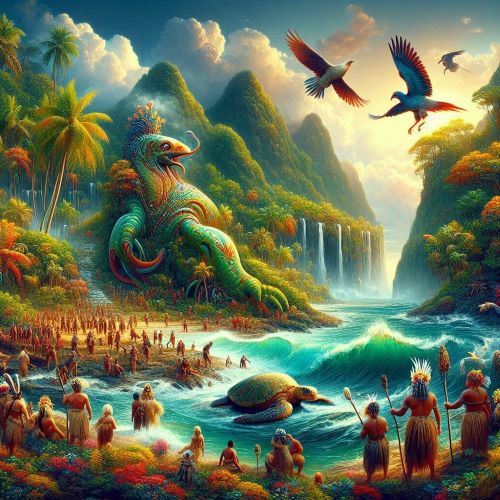
In the rich tapestry of Melanesian mythology, the figure of Mesede stands out as a significant and intriguing character. Mesede is often associated with themes of creation, life, and spirituality. He is revered in various cultures within the Melanesian region, which includes countries such as Papua New Guinea, Solomon Islands, and Vanuatu. Each culture has its own interpretation and stories surrounding Mesede, reflecting the diversity and complexity of Melanesian beliefs. Understanding Mesede involves delving into the broader context of Melanesian mythology, where gods, spirits, and ancestors play vital roles in the lives of the people.
Origins of Mesede
The origins of Mesede are deeply rooted in the oral traditions of Melanesian cultures. Many stories describe him as a creator god or a figure who played a pivotal role in the formation of the world. In some accounts, Mesede is depicted as emerging from the cosmic waters, a common motif in creation myths worldwide. This emergence signifies the beginning of life and the establishment of order from chaos. Different tribes might have variations in how they tell this story, but the essence remains the same: Mesede is a fundamental force in the creation of existence.
 Matagaigai
In many traditions, Mesede is not just a distant creator; he is actively involved in the lives of humans. He is often portrayed as a benevolent deity who bestows gifts upon humanity, such as knowledge, agriculture, and the arts. His connection to the earth and its bounty is a recurring theme, emphasizing the relationship between people and the land. This aspect of Mesede’s character highlights the importance of nature in Melanesian cultures and their understanding of the world around them.
Mesede in Melanesian Cultures
Mesede’s influence can be seen across various Melanesian cultures, each interpreting his role and attributes in unique ways. For instance, in some cultures, he is considered the guardian of the land, ensuring that it remains fertile and productive. People often perform rituals and ceremonies to honor him, seeking his blessings for good harvests and protection from natural disasters. This reverence illustrates the deep connection between spirituality and daily life in Melanesian societies.
In the Solomon Islands, Mesede is sometimes depicted as a trickster figure, akin to the character of Loki in Norse mythology. This aspect of his personality adds complexity to his character, showing that he is not just a benevolent creator but also a figure capable of mischief. Stories about Mesede’s tricks often serve as moral lessons, teaching the importance of wisdom and caution. Such narratives highlight the dual nature of deities in Melanesian mythology, where good and evil coexist and contribute to the balance of life.
 Matabiri
Key Characteristics of Mesede
- Creator of Life: Mesede is often seen as the originator of various forms of life, including plants, animals, and humans.
- Guardian of Nature: He is revered as a protector of the environment, ensuring the sustainability of resources.
- Trickster: In some stories, he exhibits playful and mischievous traits, teaching valuable lessons through his actions.
- Spiritual Guide: Mesede is regarded as a guide for those seeking wisdom and understanding of the spiritual world.
These characteristics make Mesede a multifaceted figure in Melanesian mythology. His role transcends simple categorization, reflecting the complexity of human experience and the various forces that shape life. Whether as a creator, guardian, trickster, or guide, Mesede embodies the essence of what it means to navigate the world and its mysteries.
Mythical Stories Involving Mesede
Many myths featuring Mesede have been passed down through generations, each story carrying its own significance and lessons. One popular myth tells of how Mesede created the first humans from the earth and breathed life into them. This act symbolizes the connection between humanity and the land, reinforcing the belief that people are an integral part of nature. In this story, Mesede is depicted as a nurturing figure, emphasizing the importance of caring for the environment.
Another fascinating story involves Mesede’s interaction with other deities and spirits. In some versions, he collaborates with other gods to overcome challenges or to create new elements of the world. These tales often highlight the themes of cooperation and community, reflecting the social values of Melanesian societies. The collaborative nature of these myths suggests that harmony among different forces is essential for the balance of life.
 Morufonu
Rituals and Worship of Mesede
The worship of Mesede is integral to many Melanesian cultures, with rituals designed to honor him and seek his blessings. These rituals often involve offerings, prayers, and dances that celebrate his role as a creator and protector. In some communities, special festivals are held in his honor, where people gather to share stories, perform traditional dances, and engage in communal feasting. These events serve to strengthen community bonds and reinforce cultural identity.
In addition to public celebrations, individual families may also have their own rituals dedicated to Mesede. These might include planting ceremonies, where families invoke his blessings for a fruitful harvest. The act of planting is often seen as a sacred duty, and honoring Mesede in this context reflects the deep respect for the land and its resources. Such rituals emphasize the belief that maintaining a good relationship with Mesede is essential for survival and prosperity.
Common Ritual Practices
- Offerings: Families may leave food or other gifts at sacred sites to honor Mesede.
- Prayers: Invocations and prayers are recited during important life events, such as births and harvests.
- Dances: Traditional dances are performed during festivals to celebrate Mesede and the community.
- Storytelling: Elders share myths and legends about Mesede, passing down knowledge and values.
These practices illustrate how deeply ingrained Mesede is in the cultural fabric of Melanesian societies. They serve not only to honor him but also to educate younger generations about their heritage and the values that guide their lives.
Mesede and the Environment
The relationship between Mesede and the environment is a significant theme in Melanesian mythology. Many stories emphasize his role as a steward of nature, ensuring that the land remains fertile and capable of sustaining life. This aspect of Mesede’s character reflects the traditional ecological knowledge held by Melanesian peoples, who have long understood the importance of living in harmony with their surroundings. The reverence for Mesede translates into sustainable practices that prioritize the health of the land.
In numerous myths, Mesede is depicted as teaching humanity how to cultivate crops, fish sustainably, and respect natural resources. These teachings are crucial, especially in a region where the environment plays a vital role in daily survival. The wisdom imparted by Mesede underscores the necessity of stewardship and the ethical responsibilities that come with using natural resources. This connection to the environment highlights the broader implications of Melanesian mythology, where spirituality and ecology are intertwined.
Modern Interpretations of Mesede
As Melanesian cultures continue to evolve, so too do the interpretations of Mesede. In contemporary society, some people may view him through a more symbolic lens, representing the struggles and triumphs of their communities. This shift reflects the changing dynamics of culture, where traditional beliefs are adapted to resonate with modern values and challenges. For many, Mesede embodies the spirit of resilience and hope, inspiring individuals to confront the difficulties they face.
Additionally, the global interest in indigenous cultures has led to a renewed appreciation for figures like Mesede. Scholars, artists, and activists are increasingly recognizing the importance of preserving and promoting Melanesian mythology as a vital aspect of cultural heritage. This resurgence of interest not only honors the past but also empowers communities to share their stories and wisdom with the world. Mesede, as a central figure, plays a crucial role in this cultural renaissance.
Contemporary Celebrations of Mesede
- Art Exhibitions: Artists create works inspired by Mesede, showcasing traditional stories and contemporary interpretations.
- Cultural Festivals: Events celebrating Melanesian heritage often feature themes related to Mesede and his teachings.
- Educational Programs: Schools incorporate lessons about Mesede and Melanesian mythology into their curricula.
- Community Gatherings: Local groups come together to share stories and engage in rituals that honor Mesede.
These contemporary expressions of reverence for Mesede illustrate the enduring legacy of Melanesian mythology. They serve to connect past and present, ensuring that the wisdom and teachings associated with Mesede continue to inspire future generations.
Mesede is a pivotal figure in Melanesian mythology, representing the complex interplay between creation, nature, and spirituality. His stories and characteristics offer valuable insights into the beliefs and values of Melanesian cultures. Through rituals, myths, and contemporary interpretations, Mesede continues to hold a significant place in the hearts and minds of the people, embodying their connection to the land and each other. As societies evolve, the legacy of Mesede remains a testament to the enduring power of mythology in shaping cultural identity.