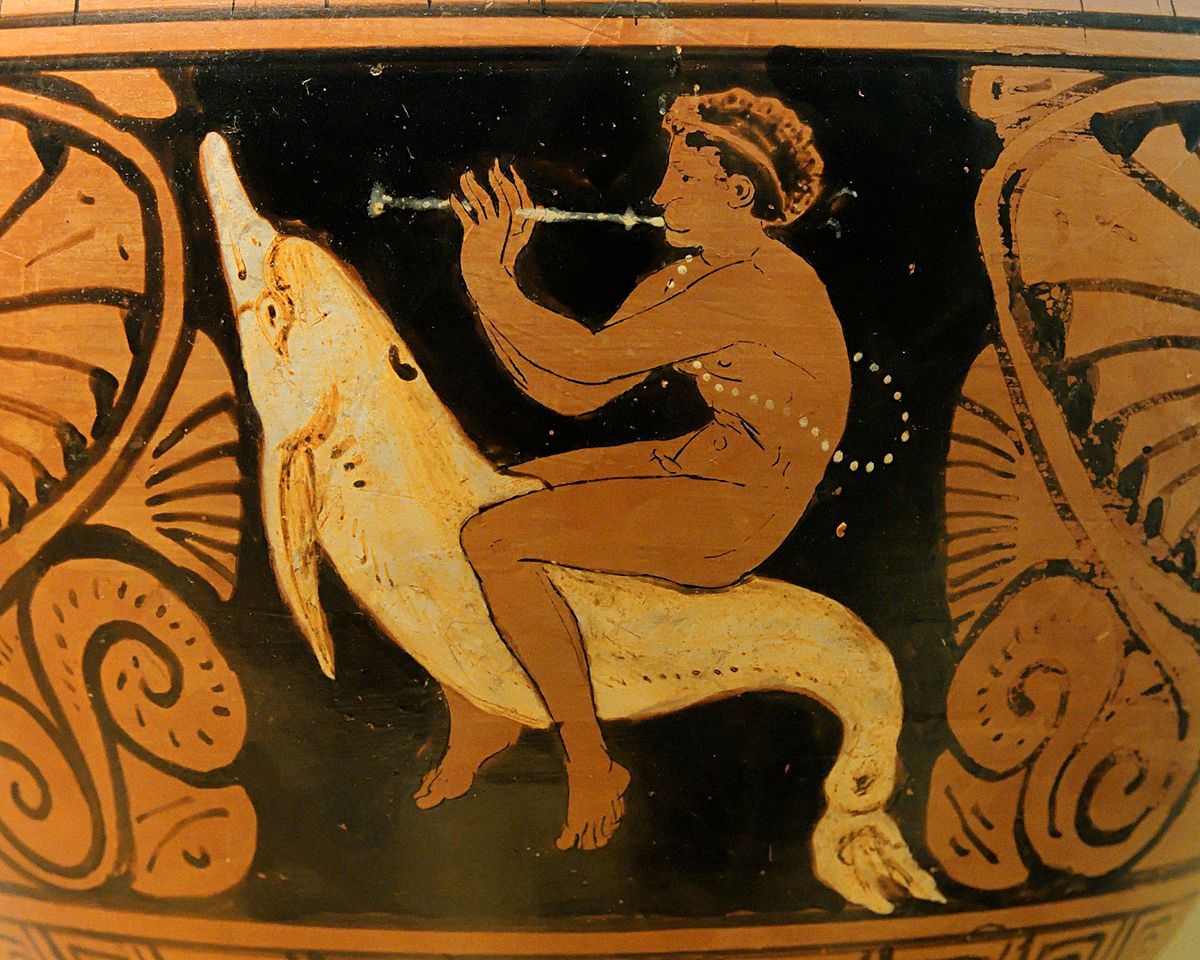
In Greek mythology, Arion is a remarkable figure known for his extraordinary musical talent and his adventurous life. He is often depicted as a legendary musician and poet who played the lyre. The stories surrounding Arion highlight not only his musical abilities but also the themes of heroism, divine intervention, and the relationship between humans and nature. His narrative is a captivating blend of art, adventure, and the supernatural, making him a significant character in the vast tapestry of Greek myths.
The Origins of Arion
Arion was said to be the son of Poseidon, the god of the sea, and the muse Calliope, who was the muse of epic poetry. This divine parentage endowed him with exceptional talents, particularly in music. His ability to play the lyre was so enchanting that it captivated all who heard him. Many stories describe how he could charm animals and even inanimate objects with his melodies. This connection to the divine and his extraordinary skills made Arion a beloved figure among both gods and mortals.
 Aristeas
His upbringing was marked by the influence of the sea, given his father’s identity. Arion spent much of his early life traveling and performing in various cities, showcasing his musical prowess. The tales suggest that he journeyed to different regions, sharing his music and gaining fame. His travels not only contributed to his reputation but also exposed him to various cultures and traditions, enriching his artistic expression.
The Legendary Journey
One of the most famous tales involving Arion is his journey to Olympia to compete in a musical contest. He was determined to prove himself against other musicians and sought to win the prestigious prize. As he traveled, he performed in numerous cities, earning accolades and wealth. His fame grew, and he became known as one of the greatest musicians of his time. However, the journey also brought about challenges and dangers that would test his character and resolve.
Upon winning the contest in Olympia, Arion faced a dire situation on his return journey. He boarded a ship with a group of sailors who were initially impressed by his fame and talent. However, as they sailed, the sailors became envious of Arion’s wealth and decided to plot against him. They planned to kill him and take his riches, believing they could escape the consequences of their actions.
 Asopus
The Perilous Betrayal
As the ship sailed further from shore, the sailors confronted Arion, demanding that he hand over his wealth. They threatened him with violence, and in that moment of peril, Arion realized the depth of their betrayal. With his life in danger, he pleaded for mercy, but the sailors were resolute in their intentions. Faced with such treachery, Arion devised a plan to save himself. He asked to play one last song on his lyre, hoping to charm the sailors and perhaps even the sea itself.
Arion played a hauntingly beautiful melody, and as he did, something extraordinary happened. His music reached the ears of the gods, and the great sea creature known as the dolphin was enchanted by the sound. The dolphin, moved by the beauty of Arion’s song, leapt out of the water and approached the ship. This divine intervention turned the tide of the situation, showcasing the profound connection between music and the natural world.
The Dolphin’s Rescue
As Arion finished his song, the dolphin offered him a means of escape. The sailors, captivated by the music, were momentarily distracted, allowing Arion to jump into the sea and swim to safety. The dolphin, recognizing Arion’s talent and purity of heart, carried him on its back, guiding him to shore. This act of rescue is a testament to the idea that true artistry and sincerity can transcend the treachery of humans.
 Asteria
Once on land, Arion was safe, but his story did not end there. He sought to bring justice to the sailors who had betrayed him. With the help of the gods, he was able to reveal their treachery. The sailors were punished for their actions, and Arion’s reputation as a musician and a hero was solidified. The dolphin, too, became a symbol of loyalty and the power of music, forever associated with Arion’s tale.
The Legacy of Arion
Arion’s story continues to resonate throughout history, representing the themes of artistic integrity and divine intervention. His narrative serves as a reminder of the power of music to connect individuals and influence the world around them. In ancient times, Arion was celebrated not only as a musician but also as a figure who triumphed over adversity through his talent and wit.
The legacy of Arion extends beyond the confines of mythology. He has inspired countless artists, musicians, and poets throughout the ages. His tale reflects the belief that true talent can overcome even the most treacherous situations. In various cultures, Arion’s story has been retold, adapted, and celebrated, ensuring that his legacy lives on.
Symbolism in Arion’s Story
The story of Arion is rich with symbolism that enhances its meaning. One of the most prominent symbols is the lyre, which represents artistic expression and the power of music. The lyre is not just a musical instrument; it symbolizes the connection between the artist and the divine. Through Arion’s music, we see how art can evoke emotions, inspire loyalty, and even summon the aid of the gods.
Another significant symbol in Arion’s tale is the dolphin. Dolphins are often associated with intelligence, playfulness, and harmony with the sea. In the context of Arion’s story, the dolphin embodies the idea of divine protection and the interconnectedness of life. The dolphin’s willingness to rescue Arion illustrates the theme that kindness and loyalty can emerge even in the most unexpected forms.
Arion in Art and Literature
The influence of Arion’s story can be seen in various forms of art and literature throughout history. Artists have depicted scenes from his life, capturing the essence of his character and the beauty of his music. Paintings, sculptures, and mosaics often illustrate the moment of his rescue by the dolphin, emphasizing the dramatic elements of his tale.
In literature, poets and playwrights have drawn inspiration from Arion’s journey. His story has been retold in various forms, adapting to different cultural contexts while maintaining the core themes of music, betrayal, and redemption. These adaptations serve to highlight the timeless nature of Arion’s narrative and its relevance to the human experience.
Comparisons to Other Mythological Figures
Arion’s tale shares similarities with other figures in mythology, particularly those associated with music and art. For example, the story of Orpheus, another legendary musician, resonates with themes of love, loss, and the power of music to transcend boundaries. Like Arion, Orpheus’s music could charm all living beings and even the gods. Both figures demonstrate the profound impact of artistic expression on the world around them.
Another comparable figure is Apollo, the god of music, arts, and prophecy. Apollo is often depicted with a lyre, symbolizing the divine nature of music. The connection between Arion and Apollo highlights the idea that music is a gift from the gods, capable of bridging the gap between the mortal and divine realms. Both Arion and Apollo embody the notion that music can evoke deep emotions and connect individuals to something greater than themselves.
Modern Interpretations of Arion
In contemporary culture, Arion’s story continues to inspire various forms of media. Musicians, filmmakers, and writers often draw upon his narrative to explore themes of creativity, resilience, and the power of art. Modern adaptations may take liberties with the original story, but they often retain the essence of Arion’s character and the lessons learned from his experiences.
Moreover, the story of Arion has found a place in discussions about the importance of the arts in society. In an age where creativity is often undervalued, Arion’s tale serves as a reminder of the vital role that artists play in shaping culture and inspiring change. His journey from a talented musician to a hero highlights the transformative power of art and its ability to influence both individuals and communities.
Lessons from Arion’s Journey
Arion’s journey offers valuable lessons that resonate with audiences of all ages. One of the most significant lessons is the importance of perseverance in the face of adversity. Despite the betrayal of the sailors, Arion did not lose hope. He used his talents to turn a dire situation into a triumphant escape, demonstrating that resilience can lead to unexpected outcomes.
Another important lesson is the idea that art has the power to connect people and evoke emotions. Arion’s music not only saved his life but also touched the hearts of those around him. This highlights the significance of artistic expression as a means of communication and connection. In a world that can often feel disconnected, the story of Arion reminds us of the universal language of music and the bonds it can create.
Arion’s Influence on Music and Culture
Arion’s legacy extends beyond mythology and literature; it has had a profound impact on music and culture throughout history. His story serves as an inspiration for musicians who seek to create art that resonates with others. The themes of loyalty, bravery, and the transformative power of music are often reflected in contemporary songwriting and performance.
Moreover, Arion’s tale has influenced the way we perceive the relationship between musicians and their audiences. The connection between an artist and their listeners is a powerful one, and Arion’s story exemplifies how music can create profound emotional experiences. This idea continues to inspire artists today, encouraging them to explore the depths of their creativity and connect with their audiences on a deeper level.
Arion in Popular Culture
In recent years, Arion’s story has made its way into popular culture through various forms of media. Films, television shows, and video games have drawn upon his narrative, often adapting it to fit modern storytelling. These adaptations not only introduce Arion to new audiences but also explore the timeless themes present in his tale.
Additionally, Arion’s influence can be seen in the music industry, where artists often reference mythological figures and stories in their work. The connection between music and mythology remains strong, with Arion serving as a prime example of how ancient narratives can inform and inspire contemporary art.
The story of Arion is a captivating exploration of music, adventure, and the human experience. His journey highlights the power of art to connect individuals, evoke emotions, and inspire change. Through his tale, we learn valuable lessons about perseverance, the importance of creativity, and the enduring impact of storytelling. Arion’s legacy continues to thrive in modern culture, reminding us of the timeless nature of art and its ability to transcend boundaries.