
Amaunet is a significant figure in Egyptian mythology, representing a primordial goddess who is often associated with the concept of hiddenness and mystery. She is one of the earliest deities in the ancient Egyptian pantheon, connected to the creation of the universe and the cosmic order. As a member of the Ogdoad, a group of eight deities worshipped in the city of Hermopolis, Amaunet embodies the principle of invisibility and the void from which all creation emerged. Her name translates to “the hidden one,” reflecting her nature and role in the cosmic hierarchy.
The Role of Amaunet in Creation
In the context of creation myths, Amaunet plays a vital role. She is often depicted as a feminine force that complements her male counterpart, Amun, who represents the visible and the manifest. Together, they symbolize the duality of existence, where hidden and revealed forces work together to bring forth life. In some versions of the creation myth, Amaunet is said to have given birth to the universe alongside Amun, emphasizing her importance in the cosmic narrative.
 Amathaounta
The Ogdoad, which includes Amaunet, is believed to have existed before the physical world was formed. They represent the primordial elements that were necessary for creation. This group includes other deities like Kuk, who represents darkness, and Nun, the god of the primordial waters. Each member of the Ogdoad contributed to the creation process, but Amaunet’s role as the hidden one highlights the importance of secrets and mysteries in the unfolding of the universe.
The Characteristics of Amaunet
- Invisibility: Amaunet embodies the concept of the unseen.
- Fertility: She is associated with the creation of life.
- Cosmic Order: Represents the balance of forces in the universe.
- Motherhood: Often seen as a nurturing figure.
Amaunet’s characteristics are deeply intertwined with her role in mythology. Her invisibility symbolizes the unknown aspects of existence, those elements that remain beyond human comprehension. This aspect of her character teaches followers about the importance of faith and trust in the unseen forces that govern the universe. In a world where everything is tangible and visible, Amaunet serves as a reminder that not all truths can be easily perceived.
In addition to her role as a hidden force, Amaunet is often associated with fertility and the nurturing aspects of creation. She is seen as a mother figure, providing life and sustenance to the cosmos. This maternal aspect of her character is crucial, as it signifies the importance of nurturing in the process of creation. Just as a mother cares for her child, Amaunet is believed to care for the universe, ensuring that it flourishes and thrives.
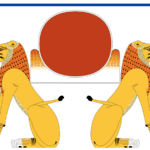 Aker
AkerAmaunet in Art and Symbolism
The representation of Amaunet in ancient Egyptian art is relatively rare compared to other deities. However, when she is depicted, she is often shown with distinctive symbols that highlight her attributes. One common depiction includes her wearing a headdress that features a feather or a crown, symbolizing her connection to the divine and the cosmic balance. The feather, in particular, is a powerful symbol in Egyptian mythology, representing truth and justice.
In some artistic representations, Amaunet is also shown alongside Amun, reinforcing their partnership in creation. This duality is significant, as it reflects the balance between male and female energies in the universe. The union of Amaunet and Amun symbolizes the harmony that is essential for life to flourish. This partnership is a testament to the belief that creation is not solely a male or female endeavor but a collaborative process that requires both energies.
Symbols Associated with Amaunet
- Feather: Represents truth and balance.
- Water: Symbolizes the primordial chaos from which creation emerged.
- Lotus Flower: Often associated with rebirth and creation.
- Serpent: Represents protection and regeneration.
One of the key symbols associated with Amaunet is the lotus flower. In Egyptian culture, the lotus is a powerful symbol of rebirth and creation, emerging from the waters of chaos to bloom in the sunlight. This association with the lotus emphasizes Amaunet’s role in the creation process, as she is believed to help bring forth life from the depths of the primordial waters.
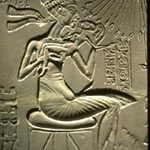 Aken
AkenAdditionally, the serpent is another symbol linked to Amaunet. In Egyptian mythology, serpents are often seen as protectors and symbols of regeneration. This connection highlights Amaunet’s nurturing aspect, as she is believed to guard the life she creates. The serpent also represents the cyclical nature of life and death, reinforcing the idea that creation is an ongoing process.
Amaunet in Egyptian Religion
Amaunet’s significance extends beyond mythology into the realm of Egyptian religion. As a member of the Ogdoad, she was worshipped primarily in the city of Hermopolis, where her cult played a vital role in the religious practices of the time. Temples dedicated to Amaunet were places where followers sought to understand the mysteries of the universe and the hidden forces that govern their lives. Rituals and offerings were made to honor her and to seek her blessings for fertility and abundance.
The worship of Amaunet reflects the broader Egyptian belief in the interconnectedness of all things. Her role as a hidden goddess signifies the importance of the unseen forces that shape reality. Followers believed that by honoring Amaunet, they could tap into these hidden energies and bring balance and harmony into their lives. This belief system underscores the significance of understanding both the visible and invisible aspects of existence.
Rituals and Offerings
- Incense: Used to honor the divine presence.
- Food Offerings: Represent nourishment and gratitude.
- Prayers: Seek blessings for fertility and abundance.
- Festivals: Celebrations in honor of Amaunet.
Rituals dedicated to Amaunet often involved the burning of incense, which was believed to carry prayers to the divine realm. The fragrant smoke was thought to create a connection between the earthly and the divine, allowing followers to communicate with the goddess. Food offerings were also an essential part of the worship, symbolizing gratitude for the blessings received and a desire for continued favor.
During specific festivals dedicated to Amaunet, communities would come together to celebrate her influence in their lives. These festivals often included music, dance, and feasting, creating a joyful atmosphere that reinforced the importance of community and shared beliefs. Such celebrations served to strengthen the bonds between the people and their goddess, fostering a sense of unity and purpose.
Amaunet in Modern Interpretations
In contemporary discussions about Egyptian mythology, Amaunet’s character is often revisited and reinterpreted. Modern scholars and enthusiasts of mythology recognize her as an essential figure that represents the balance between visible and invisible forces in the universe. As society increasingly acknowledges the importance of feminine energy and the divine feminine, Amaunet’s role as a hidden goddess becomes more relevant.
Many modern spiritual practices draw inspiration from ancient Egyptian beliefs, and Amaunet’s attributes resonate with those seeking to understand the mysteries of existence. Her association with fertility and nurturing qualities appeals to individuals exploring themes of creativity and personal growth. In this context, Amaunet serves as a symbol of empowerment, encouraging individuals to embrace their inner strength and connection to the cosmos.
Amaunet in Popular Culture
- Literature: References in books exploring mythology.
- Film: Depictions of Egyptian deities in modern cinema.
- Art: Inspiration for contemporary artists.
- Spiritual Practices: Incorporation of Amaunet into modern rituals.
Amaunet has also found her way into popular culture, appearing in various forms of literature, film, and art. Authors exploring mythology often reference her character to illustrate the complexities of creation and the balance of forces in the universe. In films that depict ancient Egyptian themes, she may be mentioned or symbolically represented, contributing to the overall narrative of divine interactions.
Contemporary artists are inspired by Amaunet’s attributes, creating works that reflect her essence and the themes she represents. Through paintings, sculptures, and other forms of art, they explore the hidden aspects of existence and the mysteries of creation. Additionally, spiritual practitioners may incorporate Amaunet into their rituals, drawing upon her nurturing energy and connection to the cosmos to enhance their spiritual experiences.
The Legacy of Amaunet
Amaunet’s legacy endures through the ages, as her story and attributes continue to resonate with people today. Her representation of the hidden and the unknown serves as a powerful reminder of the mysteries that surround existence. As individuals seek to understand their place in the universe, Amaunet stands as a symbol of the unseen forces that guide and nurture them along their journeys.
In the study of Egyptian mythology, Amaunet remains an essential figure whose significance transcends time. Her duality with Amun emphasizes the importance of balance in creation, highlighting the need for both visible and invisible forces to work together harmoniously. As modern interpretations of mythology continue to evolve, Amaunet’s character will likely inspire future generations to explore the depths of existence and the mysteries that lie beyond.
Conclusion of Legacy
- Enduring Symbol: Represents the mysteries of existence.
- Inspiration for Modern Spirituality: Encourages exploration of the divine feminine.
- Importance in Egyptian Mythology: Essential figure in creation narratives.
- Connection to the Cosmos: Symbolizes the relationship between humanity and the divine.
Amaunet’s legacy as a goddess of the hidden and the mysterious continues to inspire both scholars and spiritual seekers alike. Her essence encourages a deeper understanding of the universe and the forces that shape our lives. Through her story, individuals are reminded of the importance of embracing both the seen and the unseen, fostering a sense of connection to the greater cosmos.