
Acantun is a significant figure in Maya mythology, often associated with themes of creation, life, and the intricate relationship between humans and the cosmos. The Maya civilization, known for its rich cultural heritage and profound understanding of astronomy, integrated various deities and mythological stories into their daily lives. Acantun plays a pivotal role in these narratives, symbolizing the connection between the earth and the heavens. This article delves into the various aspects of Acantun, exploring its origins, significance, and the broader implications in Maya mythology.
Origins of Acantun
The origins of Acantun can be traced back to ancient Maya texts and oral traditions. The name itself is derived from the Maya language, where it is often associated with the concepts of strength and endurance. According to various myths, Acantun was born from the union of key deities, who represented different elements of nature. This divine parentage highlights the importance of Acantun in the pantheon of Maya gods, suggesting that it embodies qualities that are essential for the survival and prosperity of the Maya people.
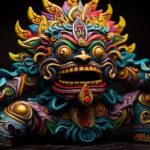 Acan
AcanIn some stories, Acantun is depicted as a heroic figure who engages in battles against malevolent forces that threaten the balance of the world. These narratives often serve as allegories for the struggles faced by the Maya civilization, reflecting their resilience and adaptability. The character of Acantun resonates with the Maya’s understanding of life cycles, emphasizing the need for harmony between humans and nature. This connection is vital, as it underscores the belief that every action has consequences in the broader tapestry of existence.
Symbolism of Acantun
Acantun is rich in symbolism, representing various aspects of the natural world and human experience. One of the most prominent symbols associated with Acantun is the tree of life, which signifies growth, renewal, and the interconnectedness of all living beings. In Maya cosmology, the tree of life serves as a bridge between the underworld, the earth, and the heavens, embodying the cyclical nature of existence. Acantun, as a representation of this tree, reminds the Maya people of their roots and the importance of nurturing their environment.
Another important symbol linked to Acantun is the serpent, often seen as a powerful creature in Maya mythology. The serpent represents wisdom, transformation, and the duality of existence. Acantun’s association with the serpent reflects the belief that true strength lies in adaptability and the ability to navigate life’s challenges. This duality is central to Maya philosophy, where opposites coexist and complement each other, creating a balanced universe.
 Ac Yanto
Acantun in Maya Rituals
Acantun holds a significant place in various Maya rituals and ceremonies. The Maya people often performed rituals to honor Acantun, seeking its blessings for fertility, prosperity, and protection from malevolent forces. These rituals typically involved offerings, prayers, and elaborate ceremonies that showcased the Maya’s deep reverence for their deities. The participation of the community in these rituals reinforced social bonds and a shared sense of identity.
During agricultural festivals, for instance, Acantun was invoked to ensure a bountiful harvest. The Maya believed that by honoring Acantun, they could secure the favor of the gods and enhance the fertility of their lands. Offerings of food, flowers, and incense were commonly made at altars dedicated to Acantun, accompanied by chants and dances that expressed gratitude and devotion. These rituals were not only a means of seeking divine intervention but also a way to celebrate the unity of the community and its connection to the earth.
Acantun and the Cosmos
The Maya civilization had a profound understanding of the cosmos, and Acantun’s role in this context is particularly intriguing. The Maya viewed the universe as a complex system where celestial bodies influenced life on earth. Acantun was often associated with the stars and the moon, believed to be a guiding force in the lives of the Maya people. The alignment of celestial events with agricultural cycles was crucial for their survival, and Acantun was seen as a protector during these times.
 Zipacna
In many myths, Acantun is portrayed as a celestial being who traverses the skies, watching over humanity. This portrayal emphasizes the belief that the gods are deeply intertwined with the natural world, guiding and influencing human affairs. The Maya created intricate calendars based on their astronomical observations, which helped them predict seasonal changes and plan agricultural activities. Acantun’s connection to the cosmos reflects the Maya’s desire to understand their place in the universe and the forces that govern it.
Acantun in Art and Iconography
The representation of Acantun in Maya art and iconography is a testament to its importance in the cultural landscape. Various artifacts, including pottery, sculptures, and murals, depict Acantun in different forms, showcasing its multifaceted nature. These artistic expressions serve not only as a means of storytelling but also as a way to communicate the values and beliefs of the Maya civilization.
In many depictions, Acantun is shown alongside other deities, highlighting its role in the pantheon. The use of vibrant colors and intricate designs in these artworks reflects the Maya’s artistic skills and their deep spiritual beliefs. The imagery often includes symbols associated with Acantun, such as the tree of life and serpents, reinforcing the themes of growth and transformation. Through these artistic representations, the Maya were able to convey complex ideas and emotions, ensuring that the stories of their gods would endure through generations.
Comparative Analysis: Acantun and Other Deities
When examining Acantun, it is essential to consider its role in relation to other deities in Maya mythology. For instance, Acantun shares similarities with Itzamná, the god of creation and the sky. Both figures embody themes of creation and the interconnectedness of life. However, while Itzamná is often seen as a more benevolent figure, Acantun’s character may encompass both protective and challenging aspects, reflecting the duality of existence.
Another notable comparison can be made with Chaac, the rain god. While Chaac is primarily associated with weather phenomena and agricultural fertility, Acantun embodies broader themes of life and cosmic balance. The interplay between these deities highlights the complexity of the Maya belief system, where multiple gods represent various facets of existence, each contributing to the overall harmony of the universe.
Modern Interpretations of Acantun
In contemporary times, Acantun continues to hold significance for many Maya descendants and scholars interested in Maya culture. The resurgence of interest in indigenous traditions has led to a renewed appreciation for figures like Acantun. Many modern practitioners of Maya spirituality incorporate Acantun into their rituals and ceremonies, seeking to reconnect with their ancestral roots and the wisdom of their forebears.
Moreover, academic studies and cultural initiatives aim to preserve and promote the understanding of Acantun and other deities within Maya mythology. This includes the documentation of oral histories, the study of ancient texts, and the promotion of Maya art and culture in educational settings. By fostering a greater understanding of Acantun and its significance, modern scholars and practitioners contribute to the revitalization of Maya identity and heritage.
The Legacy of Acantun
The legacy of Acantun extends beyond ancient myths and rituals. It serves as a reminder of the resilience and adaptability of the Maya civilization. The stories of Acantun encapsulate the values and beliefs that have shaped the identity of the Maya people for centuries. In a world that continues to change rapidly, the lessons embedded in these narratives remain relevant, offering insights into the importance of community, connection to nature, and the balance between opposing forces.
Furthermore, Acantun’s enduring presence in the cultural consciousness of the Maya people highlights the significance of mythology in shaping identity and worldview. The stories of Acantun and other deities continue to inspire art, literature, and cultural expressions, ensuring that the rich tapestry of Maya mythology remains alive for future generations. As the Maya people navigate the complexities of modern life, the teachings of Acantun serve as a guiding force, reminding them of their heritage and the values that define their existence.