
The mythology of the Maya civilization is rich and complex, filled with gods, heroes, and stories that have been passed down through generations. One of the intriguing figures in this mythology is Yanto, a deity associated with various aspects of life, nature, and the cosmos. Understanding Yanto requires a deep dive into the cultural context of the Maya, their beliefs, and the significance of this god in their daily lives. The story of Yanto is not just a tale of a deity but a reflection of the Maya’s understanding of the world around them.
Yanto: The God of Nature
In Maya mythology, Yanto is often considered a god of nature. He is associated with the earth, plants, and animals, embodying the natural world in its most vibrant form. The Maya people revered nature, seeing it as a living entity filled with spirits and deities that controlled various aspects of life. Yanto, as a god of nature, was believed to have the power to influence the growth of crops, the behavior of animals, and the changing of the seasons. This connection to nature made him an essential figure in agricultural practices, where rituals were performed to honor him and ensure a bountiful harvest.
 Zipacna
The significance of Yanto in the agricultural calendar cannot be overstated. The Maya relied heavily on their crops for sustenance, and they understood that pleasing Yanto could lead to successful yields. Farmers would offer sacrifices and perform ceremonies during planting and harvest times to invoke Yanto’s favor. This relationship with the god of nature highlights the interdependence between the Maya and their environment, emphasizing a deep respect for the land and its resources.
The Attributes of Yanto
Yanto is often depicted with various attributes that symbolize his power over nature. He is typically shown with green leaves, flowers, and animals surrounding him, representing the fertility and abundance of the earth. His imagery is vibrant and colorful, reflecting the lush landscapes of the Maya territory. The association with greenery and wildlife underscores his role as a protector of the natural world, making him a beloved figure among the Maya people.
In addition to his connection to nature, Yanto is also seen as a guardian of balance. The Maya believed that maintaining harmony in nature was crucial for the well-being of their society. Yanto’s role as a balancer of forces—such as life and death, growth and decay—was vital. This balance was reflected in the cycles of nature, where the changing seasons brought life and renewal, as well as death and dormancy. The duality of Yanto’s nature serves as a reminder of the cyclical patterns that govern the universe.
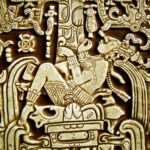 Yaluk
YalukYanto in Maya Rituals
Rituals dedicated to Yanto were an essential part of Maya religious practices. These ceremonies often involved offerings of food, flowers, and sometimes even animals, which were believed to please the deity. The rituals aimed to invoke Yanto’s blessings for fertility, abundance, and protection against natural disasters. Shamans and priests played a crucial role in these ceremonies, acting as intermediaries between the people and Yanto. They would perform dances, chants, and prayers, creating a sacred space where the community could connect with the divine.
One of the most significant rituals involved the planting season. Before sowing seeds, farmers would gather to honor Yanto, seeking his guidance and favor. They would create offerings at the foot of sacred trees, believed to be his dwelling places. The act of planting was seen not just as a physical task but as a spiritual journey that required the blessings of Yanto. The community would come together, reinforcing social bonds while collectively acknowledging their dependence on the natural world.
Yanto and Maya Cosmology
Yanto is intricately linked to the broader cosmology of the Maya civilization. The Maya viewed the universe as a complex system of interrelated forces, where gods, humans, and nature were deeply connected. Yanto’s role as a nature deity places him within this intricate web of relationships. He is often seen as a mediator between the earth and the heavens, helping to maintain the balance that sustains life. This connection highlights the Maya’s understanding of the universe as a dynamic and living entity.
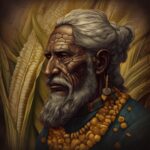 Xpiyacoc
The mythology surrounding Yanto also reflects the Maya’s beliefs about creation and existence. The stories often depict him interacting with other deities, influencing their actions and decisions. For instance, in some tales, Yanto collaborates with gods associated with rain and agriculture, showcasing the importance of cooperation among divine beings to ensure the prosperity of the earth. This collaborative aspect of Yanto’s character emphasizes the community’s reliance on both the natural world and the divine for their survival.
Legends and Stories of Yanto
Throughout Maya mythology, numerous legends feature Yanto, each illustrating different aspects of his character and influence. One popular story tells of how Yanto fought against a great drought that threatened the land. The people prayed for relief, and in response, Yanto descended from the heavens, bringing rain and revitalizing the earth. This story not only showcases Yanto’s power but also serves as a reminder of the importance of faith and community in times of crisis. The rain symbolizes hope and renewal, reinforcing the idea that nature is a living force that responds to human needs.
- The Drought Legend: A tale where Yanto battles drought to save the crops.
- The Harvest Festival: A story about how the first harvest festival was established in honor of Yanto.
- The Guardian of Animals: Legends about Yanto protecting animals from hunters.
Another well-known story is the Harvest Festival, which celebrates the first successful harvest attributed to Yanto’s blessings. The festival includes music, dance, and offerings to honor the god. It serves as a communal event where the Maya express gratitude for the abundance provided by Yanto. This festival not only reinforces the community’s bond with Yanto but also strengthens social ties among the people, as they come together to celebrate their shared dependence on nature.
Yanto’s Influence on Art and Culture
The influence of Yanto extends beyond mythology and rituals; it can also be seen in Maya art and culture. Artifacts such as pottery, murals, and sculptures often depict Yanto in various forms, showcasing his significance in Maya society. Artists would portray him surrounded by nature, illustrating his connection to the earth and its bounty. These artistic representations serve as a visual reminder of the importance of Yanto in the daily lives of the Maya.
Maya architecture also reflects the reverence for Yanto. Temples and altars dedicated to him can be found in various archaeological sites, where rituals were performed in his honor. The design of these structures often incorporates natural elements, such as stones and plants, symbolizing the close relationship between Yanto and the earth. The presence of these sacred spaces highlights the deep respect the Maya had for their gods and the natural world.
Modern Perspectives on Yanto
Today, the legacy of Yanto continues to resonate within Maya communities. Many indigenous peoples still honor Yanto and other deities as part of their cultural heritage. Traditional practices and rituals related to Yanto are maintained, serving as a link to their ancestors and a way to preserve their identity. This continuity of belief highlights the enduring significance of Yanto in contemporary Maya culture, where he is seen not just as a mythological figure but as a symbol of resilience and connection to the land.
Furthermore, Yanto’s story has gained attention in the context of environmental conservation. As modern societies grapple with issues like climate change and deforestation, the teachings and beliefs surrounding Yanto offer valuable insights into sustainable living. The Maya’s reverence for nature and their understanding of the interconnectedness of all life can inspire contemporary efforts to protect the environment. Yanto’s legacy serves as a reminder of the importance of respecting and nurturing the natural world.
Yanto and Environmentalism
The teachings of Yanto can provide a framework for understanding the relationship between humanity and nature. In a world facing environmental challenges, the Maya’s respect for nature can inspire a more sustainable approach to living. Yanto’s story emphasizes the importance of balance, reminding us that human actions have consequences for the earth. By looking to Yanto as a model of stewardship, individuals and communities can cultivate a deeper connection to their environment.
Many modern environmental movements are rooted in indigenous philosophies that echo the beliefs surrounding Yanto. These movements advocate for a holistic approach to environmental conservation, recognizing the intrinsic value of nature and the need to protect it for future generations. By incorporating the teachings of Yanto, these movements can foster a greater appreciation for the natural world and promote sustainable practices that honor the earth.
In exploring the mythology of Yanto, we gain a deeper understanding of the Maya civilization and their profound connection to nature. Yanto serves as a symbol of life, fertility, and the delicate balance that sustains the world. Through rituals, stories, and art, the legacy of Yanto continues to thrive, reminding us of the importance of respecting and nurturing our environment. As we face modern challenges, the teachings of Yanto can guide us towards a more harmonious relationship with nature, fostering a sense of responsibility for the earth and its resources.