
Acan is a significant figure in Maya mythology, often associated with the themes of creation, agriculture, and the natural world. The Maya civilization, which thrived in Central America, had a rich tapestry of deities and mythological stories that were essential to their understanding of life, death, and the universe. Acan is one of these deities, representing various aspects of existence and nature. His narratives reflect the deep connection the Maya had with their environment and the cycles of life. Through understanding Acan, we can gain insight into the values and beliefs of the ancient Maya.
Origins of Acan in Maya Mythology
The origins of Acan can be traced back to the ancient stories that the Maya people told. These stories were passed down through generations and often included tales of gods, creation, and the elements. Acan is frequently depicted as a deity linked to agriculture and the earth, symbolizing the importance of farming and the sustenance it provides. In the Maya worldview, agriculture was not just a means of survival; it was a sacred duty, and Acan played a vital role in ensuring bountiful harvests.
 Ac Yanto
In some accounts, Acan is described as a god who emerged during the creation of the world. His presence was essential in bringing forth the vegetation and life that populated the earth. The Maya believed that without Acan’s influence, the land would remain barren, and the people would suffer. This highlights the deep respect and reverence the Maya had for nature and the forces that governed it. Acan’s story is intertwined with the agricultural cycles, marking the changing seasons and the importance of rain and sun.
Acan’s Role in Agriculture
Acan’s primary role in Maya mythology revolves around agriculture and the fertility of the land. He is often invoked during planting and harvesting seasons, as the Maya sought his blessings for a successful crop yield. Rituals and ceremonies dedicated to Acan were common, where offerings of food, flowers, and incense were made to honor him. These practices underscored the belief that the gods had a direct impact on the earth’s productivity and the people’s well-being.
The agricultural calendar of the Maya was closely linked to Acan’s mythological significance. Different periods in the year were dedicated to specific crops, and Acan was believed to influence their growth. For instance, during the rainy season, Acan was thought to bring forth the much-needed water for crops to flourish. Conversely, during dry spells, the Maya would perform rituals to appease Acan, seeking his favor to ensure adequate rainfall. This cycle of dependence on Acan illustrates the interconnectedness of the Maya with their environment.
 Zipacna
Acan and the Elements
Acan is not only a god of agriculture but also a deity associated with the elements of nature. He represents the earth, which is crucial for plant growth, but also embodies the forces of rain and sunshine that nurture the crops. The Maya believed that Acan controlled these elements, making him a powerful figure in their mythology. The harmony of these elements was essential for the success of their agricultural practices, and Acan’s role was pivotal in maintaining this balance.
In many myths, Acan is depicted alongside other elemental gods, each representing different aspects of nature. For example, there are gods associated with water, who govern rivers and rain, and gods of the sun, who provide light and warmth. Acan’s interactions with these deities highlight the collaborative nature of the Maya pantheon, where gods worked together to sustain life on earth. This collaboration reflects the Maya’s understanding of nature as a complex system where every element plays a crucial role.
Symbolism of Acan
The symbolism of Acan is rich and varied, encompassing themes of fertility, growth, and the cycles of life. He is often depicted in art and iconography with symbols that represent agriculture, such as maize, which was a staple food for the Maya. This connection to maize highlights the importance of this crop in Maya culture, both as a food source and as a symbol of life itself. Acan’s association with maize underscores the reverence the Maya had for their agricultural practices and the deities that governed them.
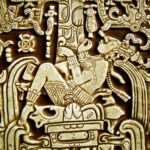 Yaluk
YalukIn addition to maize, Acan is also linked to the idea of rebirth and renewal. The agricultural cycle, with its seasons of planting, growing, and harvesting, mirrors the cycles of life and death. Acan’s influence is seen in the way crops die and return to the earth, only to rise again in the next season. This cyclical nature of existence is a central theme in many cultures, and for the Maya, Acan represented this profound connection to the land and the cycles of nature.
Acan in Rituals and Ceremonies
Rituals dedicated to Acan were an integral part of Maya life, particularly in agricultural communities. These ceremonies often involved a series of offerings and prayers aimed at securing Acan’s favor. During the planting season, the Maya would gather to perform rituals that included dances, music, and the presentation of food offerings. Such ceremonies were not only acts of devotion but also communal events that strengthened social bonds within the community.
The rituals varied depending on the specific needs of the community. For instance, if a drought threatened the crops, the Maya would hold a special ceremony to plead for rain. This could involve elaborate displays of devotion, including the creation of altars adorned with flowers, fruits, and other items that represented the bounty of the earth. The Maya believed that through these acts, they could communicate directly with Acan and other gods, ensuring their protection and support.
Legends and Myths Involving Acan
Many legends and myths feature Acan, illustrating his importance in Maya storytelling. One popular legend tells of how Acan fought against the forces of drought and famine. In this tale, Acan embarks on a journey to find the rain god, seeking his help to bring water to the parched land. This myth emphasizes the struggle between life and death, showcasing Acan’s determination to protect his people and ensure their survival.
Another notable myth involves Acan’s relationship with the sun. In this story, Acan and the sun god engage in a series of challenges to determine who will control the seasons. The narrative reflects the Maya’s understanding of the balance between light and darkness, growth and decay. Through Acan’s trials, the myths communicate essential lessons about the importance of harmony within the natural world and the interdependence of all elements.
Acan’s Influence on Modern Maya Culture
Even today, the influence of Acan can be seen in various aspects of modern Maya culture. Many communities still honor traditional agricultural practices, incorporating rituals that pay homage to Acan and other deities. These practices serve not only as a means of securing good harvests but also as a way to connect with their ancestors and cultural heritage. The stories of Acan are passed down through generations, ensuring that the lessons and values of the past continue to resonate in contemporary society.
Furthermore, Acan’s symbolism has found its way into modern art, literature, and cultural expressions. Artists may depict Acan in their work, celebrating the rich mythology of the Maya and the importance of agriculture in their lives. This artistic representation helps keep the stories alive, allowing younger generations to engage with their cultural roots and understand the significance of their heritage.
Acan stands as a testament to the profound connection the Maya had with their environment and the intricate belief system that governed their lives. His role as a god of agriculture, fertility, and the elements reflects the importance of nature in Maya society. Through rituals, myths, and modern cultural expressions, Acan’s influence continues to be felt, reminding us of the enduring legacy of the ancient Maya and their reverence for the natural world.