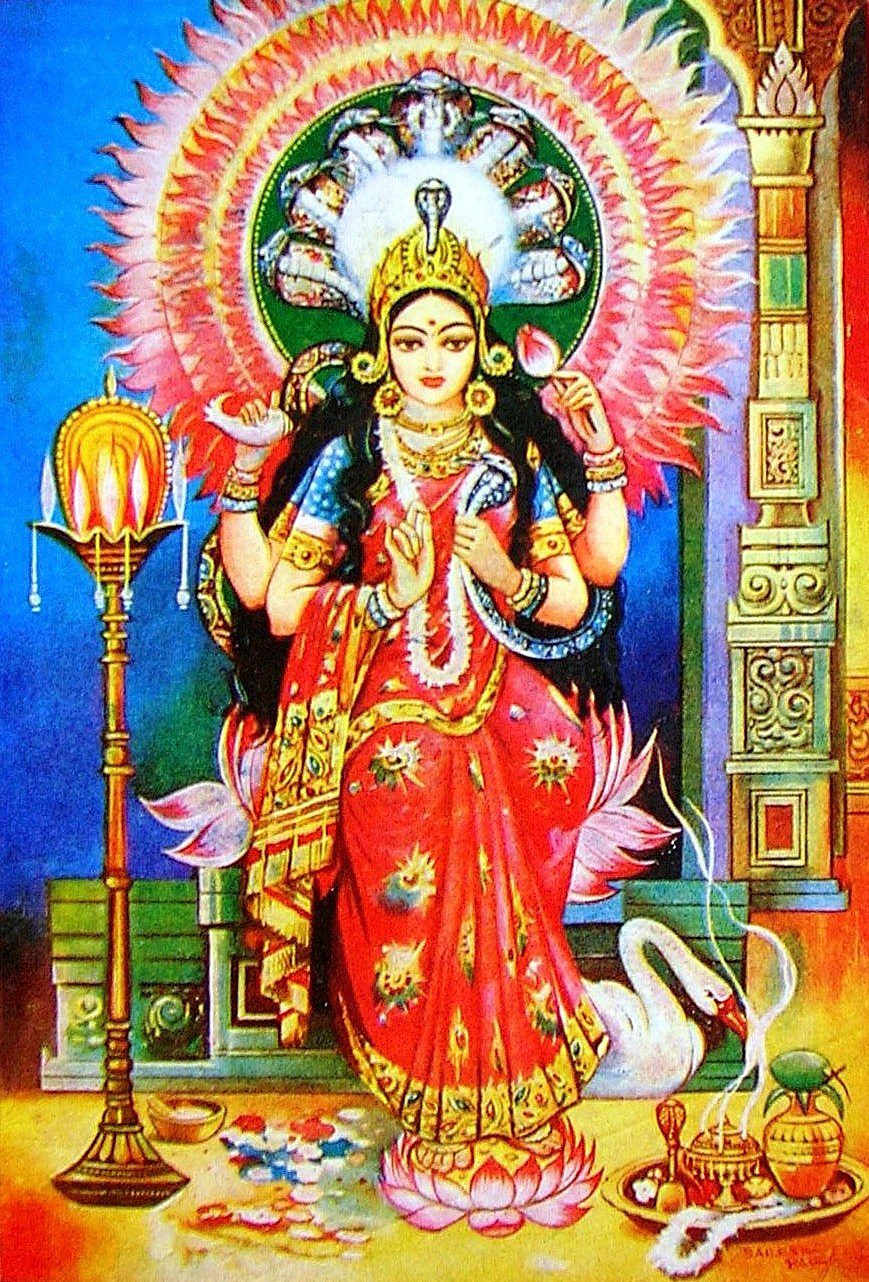
In Hindu mythology, Manasa is revered as the goddess of snakes and fertility. She holds a significant place in the pantheon of deities worshipped across India, especially among the followers of the Shakta tradition. Manasa is often depicted as a beautiful woman adorned with serpents, symbolizing her deep connection to the natural world and its mysteries. Her narratives are woven into various texts, including the Mahabharata and several local folklore tales. Understanding Manasa requires a look into her origins, her stories, and the rituals associated with her worship.
Origins of Manasa
The origins of Manasa can be traced back to ancient texts and local legends. She is often considered the daughter of Lord Shiva and Goddess Durga. However, in some tales, she is described as a celestial being born from the mind of Brahma, the creator god. This duality in her origin story reflects her unique position in Hindu mythology, as she embodies both divine and earthly qualities. Manasa’s creation is often linked to the need for a goddess who could control the poisonous snakes that inhabited the earth and ensure the safety of her devotees.
 Mâmsa
MâmsaIn many versions of her myth, Manasa is also depicted as a fierce protector of her followers. She is believed to have the power to cure snake bites and other ailments caused by snakes. This aspect of her character has led to her worship in regions where snake bites are common, as people seek her blessings for protection. The stories surrounding her origin often emphasize her role as a nurturing mother figure, who provides not only safety from snakes but also blessings of fertility and prosperity.
Manasa in Texts and Scriptures
Manasa appears in various ancient texts, which describe her attributes, powers, and stories. The Mahabharata contains references to her, particularly in the context of the epic’s many heroes and their interactions with the divine. One of the most notable stories is about how she helped Arjuna, one of the Pandava brothers, during his quests. This narrative highlights her protective nature and her role as a guiding force in the lives of those who seek her blessings.
 Maithuna
Another important text that features Manasa is the Manasa Mangal, a collection of Bengali poems that celebrate her life and powers. These poems narrate her struggles against the forces of evil and her quest for recognition among the gods. The Manasa Mangal plays a crucial role in the cultural practices of Bengal, where festivals dedicated to Manasa are held, showcasing her significance in local traditions.
Symbolism of Manasa
Manasa is rich in symbolism, which reflects her multifaceted nature. One of her most prominent symbols is the cobra, which represents her connection to snakes and the power she holds over them. The cobra is often depicted coiled around her body, signifying her mastery and control over these creatures. This imagery serves as a reminder of her protective qualities and her ability to ward off danger.
In addition to snakes, Manasa is also associated with water, particularly rivers and lakes. Water is seen as a source of life and fertility, and Manasa’s connection to it underscores her role as a goddess of fertility. She is often worshipped by those seeking blessings for childbirth and agricultural prosperity. The symbolism of water in her worship emphasizes the importance of nature and its cycles, which are central to her identity as a goddess.
 Madya
MadyaWorship and Rituals
Worship of Manasa varies across different regions of India, reflecting local customs and traditions. In many places, she is honored during the Naag Panchami festival, where devotees offer prayers and perform rituals to appease her and the serpents she represents. This festival usually involves the worship of live snakes, which are seen as manifestations of the goddess herself. Devotees often prepare offerings of milk, rice, and sweets, which are placed near snake holes or altars dedicated to Manasa.
In Bengal, the worship of Manasa takes on a unique form, with elaborate rituals and festivals dedicated to her. The Manasa Mangal is recited during these festivals, and devotees engage in singing, dancing, and storytelling to honor her. These celebrations are not just religious but also cultural events that bring communities together, reinforcing the bonds of kinship and shared beliefs.
Legends and Myths
Numerous legends surround Manasa, each illustrating her character and the lessons she imparts. One popular story tells of her struggle against the god Vishnu, who initially refused to acknowledge her as a goddess. In this tale, Manasa proves her worth by saving the lives of many people from snake bites and demonstrating her power over the serpents. Her determination and resilience ultimately lead to her acceptance among the pantheon of gods, reinforcing the idea that true strength comes from within.
Another famous legend involves her love for a mortal named Behula. In this story, Behula’s husband dies from a snake bite, and in her grief, she seeks the help of Manasa. The goddess is moved by Behula’s devotion and grants her a chance to revive her husband. This tale emphasizes themes of love, loyalty, and the protective nature of Manasa, as she aids her followers in their times of need.
Manasa and Feminine Power
Manasa’s character is often viewed as a symbol of feminine power in Hindu mythology. She embodies qualities such as strength, resilience, and nurturing, making her an important figure for women seeking empowerment. Her stories highlight the struggles and triumphs of women, portraying them as capable of overcoming obstacles through determination and devotion.
In many communities, the worship of Manasa serves as a way to honor the feminine divine and acknowledge the roles women play in society. Festivals dedicated to her often involve women leading the rituals, singing songs, and telling stories that celebrate their strength and resilience. This aspect of her worship contributes to the broader discourse on gender roles within Hinduism, emphasizing the importance of female deities and their influence in both spiritual and earthly realms.
Regional Variations of Manasa Worship
While Manasa is recognized across India, her worship takes on different forms in various regions. In the eastern states, particularly Bengal, she is revered with great fervor. Festivals dedicated to her often include elaborate processions, rituals, and cultural performances. The local folklore surrounding her is rich, with numerous songs and dances that celebrate her life and powers.
In contrast, in southern India, the worship of Manasa may be less prominent but is still significant. Here, she is often associated with local snake deities and is invoked during rituals aimed at protecting against snake bites. The diversity in her worship across regions reflects the adaptability of Hindu mythology and the ways in which local cultures have integrated her stories into their traditions.
Modern Interpretations of Manasa
In contemporary times, the figure of Manasa continues to inspire various forms of art and literature. Artists and writers often draw upon her stories to explore themes of empowerment, nature, and the interconnectedness of life. Her image can be found in paintings, sculptures, and performances, showcasing her enduring relevance in modern culture.
Additionally, Manasa’s association with snakes has sparked interest in environmental issues, particularly concerning wildlife conservation. Advocates for snake protection often reference her as a symbol of respect for nature and its creatures. This modern interpretation emphasizes the need for harmony between humans and the natural world, aligning with the values she represents in Hindu mythology.
The goddess Manasa occupies a unique and important place in Hindu mythology. Her stories reflect themes of power, protection, and the intricate relationship between humanity and nature. As a deity who embodies both nurturing and strength, she continues to inspire devotion and respect across generations. The various legends, rituals, and cultural practices associated with her worship highlight her significance in the lives of her followers, making her a beloved figure in the rich tapestry of Hindu mythology.