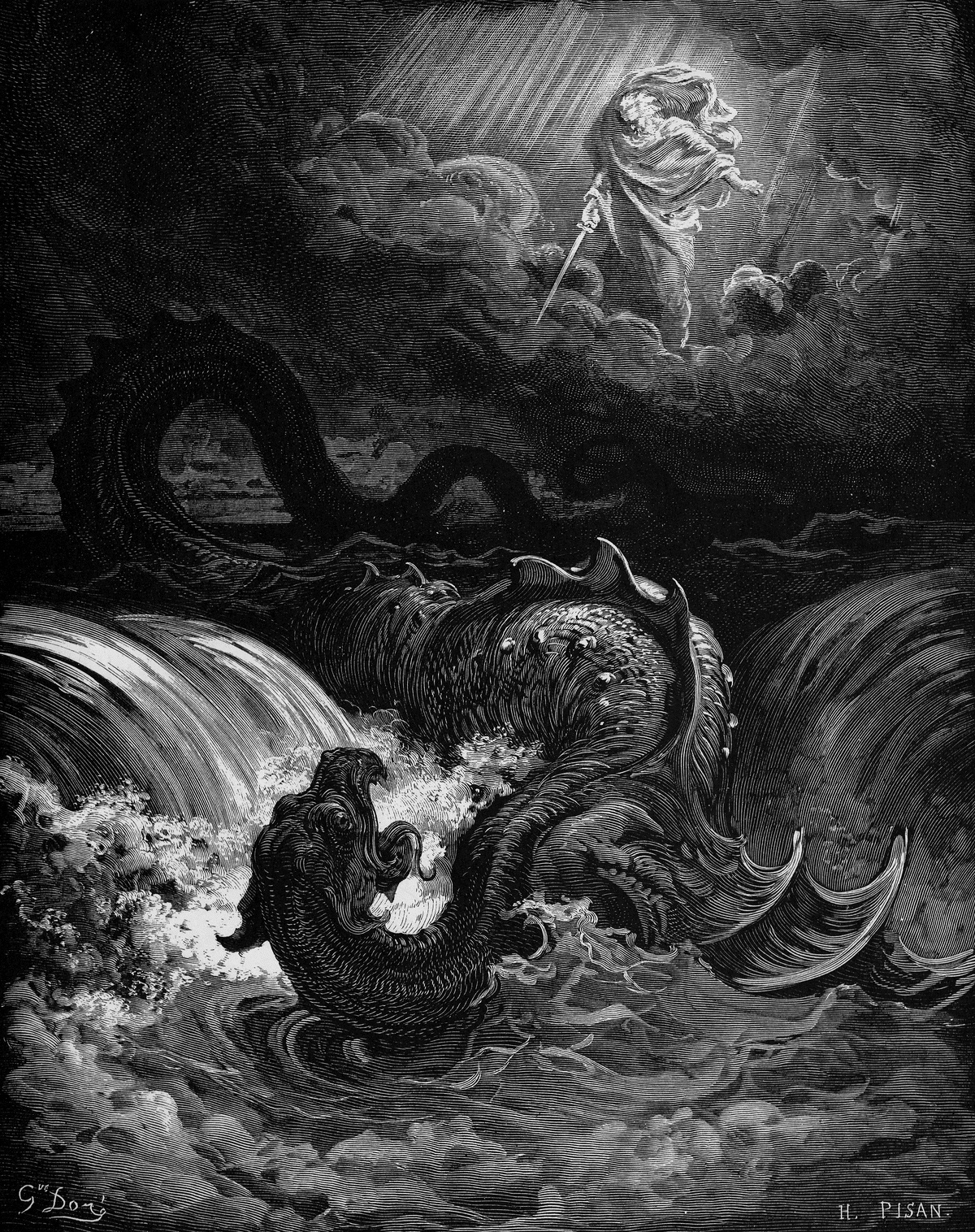
In Canaanite mythology, Lotan is a significant figure known for his association with the sea and the chaos that resides within it. Lotan is often depicted as a mighty serpent or dragon, embodying the destructive forces of nature. His role in the mythological narratives of the Canaanites is essential, as he represents both the danger and the power of the ocean, which was both feared and revered by ancient cultures. The Canaanites, who inhabited the ancient region of Canaan, had a rich tapestry of myths and deities, with Lotan being one of the most intriguing among them.
The Origins of Lotan
Lotan’s origins can be traced back to ancient Near Eastern mythology, where he is often mentioned in texts that describe the chaos of the primordial world. He is frequently associated with Yam, the god of the sea, who represents the chaotic waters that threaten to overwhelm the land. Lotan is depicted as a creature of immense size, often described as having multiple heads, which symbolizes his formidable nature. This imagery reflects the ancient understanding of the sea as a source of both life and destruction, highlighting the duality of Lotan’s character.
 Hyposouranios
In various myths, Lotan is often portrayed as a challenger to the gods, particularly in his battles against Baal, the storm god. These stories illustrate the struggle between order and chaos, with Lotan embodying the chaos of the sea. His confrontations with Baal are not just physical battles but also represent the eternal conflict between the forces of nature and the divine order established by the gods. This conflict is central to understanding the role of Lotan within the Canaanite pantheon.
Lotan and the Canaanite Pantheon
Within the broader context of Canaanite mythology, Lotan occupies a unique position. He is often considered a member of the Leviathan family of creatures, which are associated with the sea and chaos. The Canaanite pantheon includes many gods and goddesses, each with specific roles and attributes. Lotan’s role as a chaotic sea serpent complements the more orderly deities, creating a balance in the mythological narratives. The presence of Lotan in these stories serves to remind the Canaanites of the power of nature and the respect it commands.
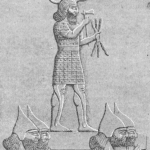 Hadad
HadadLotan’s relationship with other deities, particularly Yam, is also significant. Yam, as the god of the sea, is often seen as Lotan’s counterpart. Together, they represent the tumultuous waters that can both nourish and destroy. This duality is crucial in Canaanite mythology, where the gods often embody the natural elements and their associated powers. The interactions between Lotan and Yam, as well as their conflicts with Baal, reflect the ancient peoples’ understanding of the world around them and their need to explain natural phenomena.
Lotan in Canaanite Myths
One of the most famous myths involving Lotan is the story of his battle with Baal. In this narrative, Baal seeks to establish order and control over the chaotic waters represented by Lotan. The conflict is intense, with Lotan using his immense strength and multiple heads to challenge Baal. However, Baal, armed with powerful weapons and the support of other deities, ultimately triumphs over Lotan. This victory symbolizes the establishment of order over chaos, a recurring theme in many mythologies worldwide.
- Baal’s weapons: In the myth, Baal wields a mighty club and a spear, which he uses to defeat Lotan.
- The role of other gods: Other deities, such as Asherah, also play a role in supporting Baal during the battle.
- Symbolism of the battle: The defeat of Lotan represents the triumph of civilization over the untamed forces of nature.
The aftermath of this battle has significant implications for the Canaanite worldview. With Lotan defeated, Baal becomes the king of the gods, and order is restored to the cosmos. However, the memory of Lotan and his chaotic nature lingers, reminding the Canaanites of the ever-present threat of chaos and destruction. This dynamic reflects a deep understanding of the balance of nature, where order and chaos are constantly in flux.
 Eshmun
The Symbolism of Lotan
Lotan’s depiction as a serpent or dragon carries deep symbolic meanings. In many cultures, serpents are associated with chaos, danger, and the unknown. They can also symbolize fertility and renewal, as they shed their skin and emerge anew. Lotan embodies these dual aspects, representing both the threat posed by the sea and its potential for renewal. This complexity makes Lotan a fascinating figure within Canaanite mythology, as he challenges the boundaries between life and death, chaos and order.
Additionally, Lotan’s multiple heads serve as a powerful symbol of his strength and ferocity. Each head can be seen as representing different aspects of chaos, highlighting the multifaceted nature of the challenges faced by the Canaanite people. This imagery resonates with the idea that chaos is not a singular force but a combination of various elements that can disrupt the natural order. Lotan’s representation thus becomes a reminder of the unpredictable nature of life and the need for respect and caution when engaging with the forces of nature.
Lotan in Archaeological Evidence
Archaeological discoveries have shed light on the worship and significance of Lotan in ancient Canaanite culture. In various sites across the ancient Near East, artifacts such as pottery, inscriptions, and reliefs depict Lotan and his associated myths. These findings provide valuable insights into how the Canaanites understood their world and the role that mythology played in their daily lives. The presence of Lotan in these artifacts indicates that he was a well-known figure and that his stories were integral to the Canaanite identity.
Inscriptions found in ancient texts, such as the Ugaritic tablets, mention Lotan and describe his characteristics and battles. These texts serve as essential sources for understanding Canaanite mythology and the significance of Lotan within it. The narratives preserved in these tablets illustrate the enduring nature of Lotan’s story and its relevance to the Canaanite people, who sought to explain the mysteries of their world through these myths.
The Legacy of Lotan
The legacy of Lotan extends beyond the ancient Canaanites. His character and stories have influenced various cultures and mythologies throughout history. The archetype of the chaotic sea serpent can be found in many other mythologies, including the biblical Leviathan and other ancient Near Eastern texts. This indicates that the themes associated with Lotan resonate across different cultures, highlighting the universal struggle between order and chaos.
Moreover, Lotan’s representation as a sea monster has inspired countless artistic interpretations in literature, art, and popular culture. His image evokes a sense of mystery and fear, reminding us of the power of the sea and the unknown. The enduring nature of Lotan’s mythology reflects humanity’s ongoing fascination with the natural world and the stories we create to understand it.
Lotan remains a powerful symbol within Canaanite mythology, representing the chaotic forces of nature and the challenges faced by humanity. His battles with Baal and his role within the pantheon highlight the eternal struggle between order and chaos. Through archaeological evidence and mythological narratives, we gain insight into the significance of Lotan and his lasting impact on culture and society. As we explore the stories of Lotan, we are reminded of the complexities of nature and the stories that shape our understanding of the world.