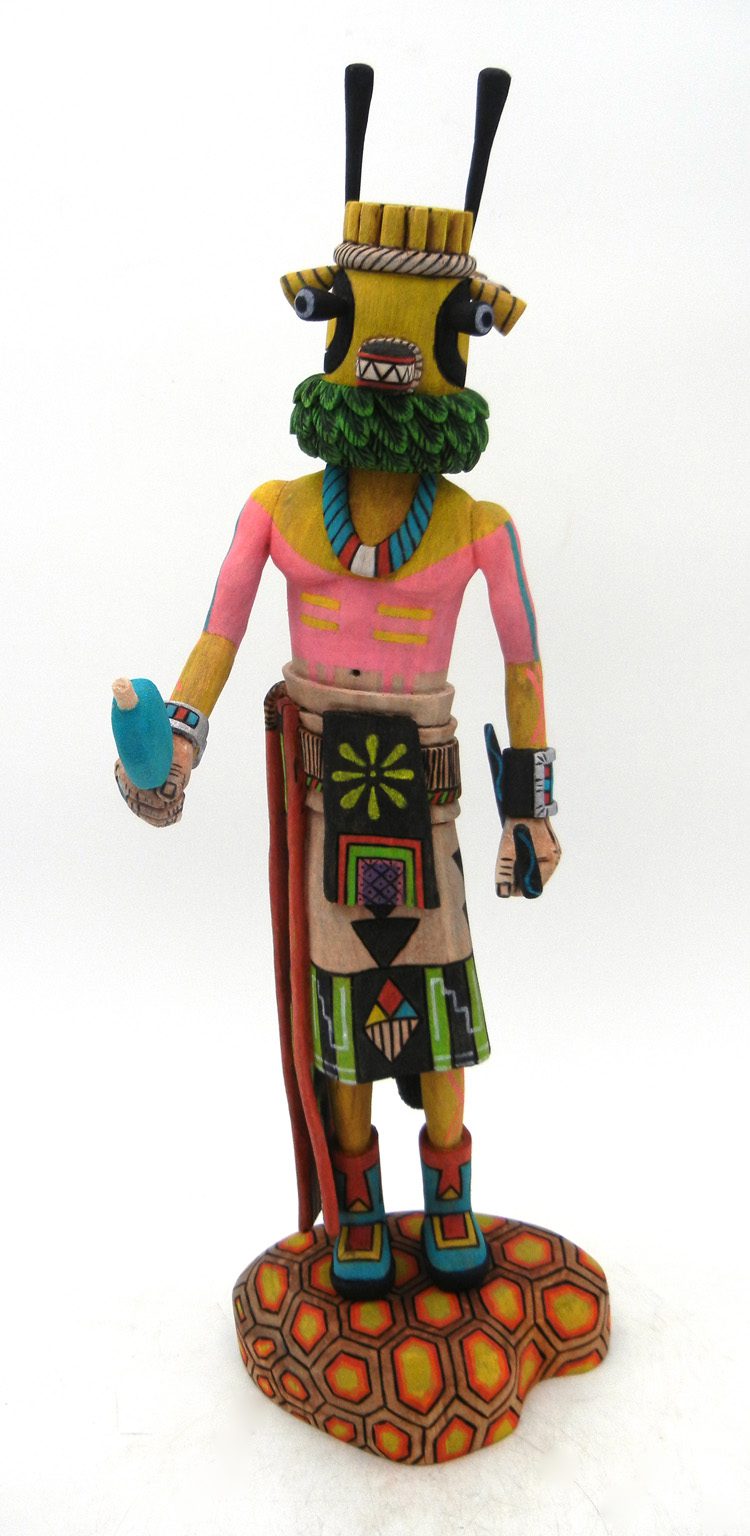
The figure of Momo in Hopi mythology is a fascinating topic that captures the imagination of many. Momo is known as a spirit or being associated with the Hopi people’s beliefs and traditions. The Hopi are a Native American tribe primarily located in northeastern Arizona, and their mythology is rich with stories and characters that explain the world around them. Momo is often portrayed as a guardian spirit, one that embodies the connection between the people and the natural world. Understanding Momo requires delving into the various aspects of Hopi culture and spirituality.
The Role of Momo in Hopi Culture
Momo serves an essential role in the spiritual landscape of the Hopi people. In Hopi culture, spirits and supernatural beings are believed to influence daily life and the environment. Momo, in particular, is associated with protection and guidance. Many Hopi individuals invoke Momo in their prayers and rituals, seeking assistance in times of need. This connection to Momo illustrates the deep respect the Hopi have for the spiritual forces that govern their existence.
 Mana
ManaFurthermore, Momo is seen as a symbol of balance within nature. The Hopi believe that every being, whether human, animal, or spirit, plays a role in maintaining harmony in the world. Momo represents the idea that there are forces beyond human understanding that contribute to this balance. The Hopi often teach their children about Momo and other spiritual beings to instill a sense of respect for the environment and the unseen forces that inhabit it.
Momo’s Characteristics and Attributes
Momo is often described as a benevolent spirit, characterized by its kindness and protective nature. Unlike some other figures in mythology that may be seen as fearsome or malevolent, Momo embodies a gentle spirit that seeks to help rather than harm. This portrayal makes Momo a comforting presence for many Hopi individuals, especially during challenging times.
In terms of physical appearance, Momo is often depicted in various forms, reflecting the diverse interpretations within Hopi culture. Some describe Momo as a shapeshifter, capable of taking on different forms depending on the situation. This ability to adapt signifies the importance of flexibility and resilience in life, values that are central to Hopi teachings. Additionally, Momo is often associated with specific colors, particularly earthy tones that reflect its connection to nature.
 Kwikwilyaqa
The Stories of Momo
Many stories and legends surrounding Momo have been passed down through generations, each illustrating a different aspect of this spirit’s significance. One popular story involves Momo assisting a Hopi family during a time of drought. The family prayed to Momo for rain, and in response, the spirit appeared in the form of a cloud, bringing much-needed moisture to the parched land. This story highlights Momo’s role as a provider and a reminder of the interconnectedness of all beings.
Another tale tells of Momo guiding a lost traveler through a treacherous landscape. The traveler, unsure of the path ahead, called out for help, and Momo appeared to show the way. This story emphasizes the theme of guidance and the importance of seeking help from spiritual forces when faced with uncertainty. The narratives surrounding Momo serve not only as entertainment but also as vital lessons in morality and spirituality.
The Rituals and Practices Involving Momo
The Hopi people engage in various rituals and practices that honor Momo and other spiritual beings. These rituals often take place during significant events, such as planting and harvesting seasons. One common practice involves creating offerings to Momo, which may include food, flowers, or other items that symbolize gratitude and respect. This act of giving reinforces the bond between the Hopi and their spiritual guardians.
 Koyemshi
Additionally, the Hopi conduct ceremonies that include songs and dances dedicated to Momo. These performances are not merely artistic expressions but serve as a means of communicating with the spirit world. Through these rituals, the Hopi seek to strengthen their relationship with Momo, inviting its presence into their lives. Such practices underscore the importance of community and shared beliefs in maintaining cultural identity.
Momo and the Environment
The relationship between Momo and the environment is a central theme in Hopi mythology. Momo is often viewed as a protector of the land, embodying the essence of nature itself. The Hopi people have a profound respect for the earth, and Momo symbolizes their commitment to environmental stewardship. This connection is particularly significant in a world facing numerous ecological challenges.
Many Hopi teachings emphasize the importance of living in harmony with nature, a principle that Momo represents. The stories of Momo often highlight the consequences of neglecting the environment, serving as a cautionary tale for future generations. By fostering a deep respect for Momo, the Hopi instill values of sustainability and responsibility in their communities, encouraging a lifestyle that honors the earth.
The Influence of Momo Beyond Hopi Culture
The influence of Momo extends beyond the Hopi community, reaching into broader discussions about indigenous spirituality and environmentalism. As awareness of indigenous beliefs grows, many people are drawn to the teachings surrounding Momo and similar figures. The idea of a spirit that protects and nurtures the land resonates with those seeking a deeper connection to nature and the world around them.
Furthermore, Momo’s stories have found their way into various forms of art and literature, inspiring creators to explore themes of spirituality and connection. The narratives of Momo encourage individuals to reflect on their relationship with the environment and the importance of honoring the traditions of indigenous cultures. In this way, Momo serves as a bridge between cultures, fostering understanding and respect for diverse worldviews.
The Legacy of Momo in Modern Times
In contemporary society, the legacy of Momo continues to thrive among the Hopi people and beyond. Efforts to preserve and promote Hopi culture have led to a resurgence of interest in traditional stories and practices. Many Hopi individuals actively share the tales of Momo with younger generations, ensuring that this vital aspect of their heritage remains alive.
Additionally, the teachings of Momo have inspired environmental movements that advocate for the protection of natural resources. Activists draw upon the wisdom of indigenous cultures, including the Hopi, to emphasize the importance of sustainable living. Momo’s representation as a guardian spirit encourages individuals to take responsibility for the earth and its future, reinforcing the idea that every action has consequences.
Momo in Hopi Art and Symbolism
The representation of Momo in Hopi art is another area where this spirit’s influence can be observed. Traditional Hopi pottery, weaving, and painting often feature symbols and motifs that reflect the stories and attributes associated with Momo. Artists use these mediums to convey messages about the importance of nature, spirituality, and the interconnectedness of all beings.
For instance, pottery designs may include elements that symbolize rain, growth, and the earth, all of which are linked to Momo’s characteristics. These artistic expressions serve as a form of storytelling, allowing the Hopi to share their beliefs and values with others. Through art, the legacy of Momo continues to be woven into the fabric of Hopi identity, ensuring that future generations can appreciate and learn from this rich mythology.
Conclusion: The Enduring Spirit of Momo
Momo, as a figure in Hopi mythology, represents more than just a spirit; it embodies the values, beliefs, and teachings of the Hopi people. Through stories, rituals, and artistic expressions, Momo serves as a reminder of the importance of connection to nature, community, and the spiritual world. As the Hopi continue to honor Momo, they preserve a vital part of their cultural heritage that resonates with people across the globe.