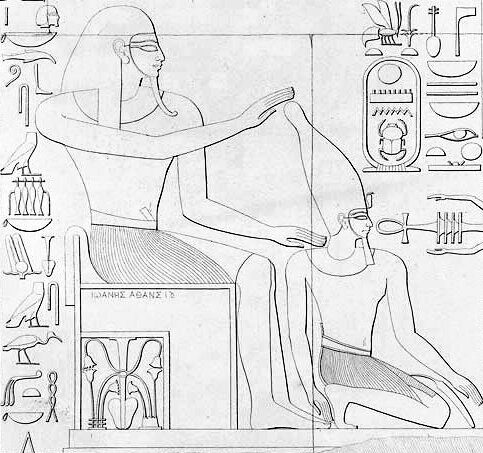
Dedun is a lesser-known deity in Egyptian mythology, often associated with incense and the protection of the dead. He is not as widely recognized as other Egyptian gods, such as Osiris or Isis, but his role in ancient Egyptian beliefs and rituals is significant. Dedun is primarily depicted as a god of aromatic substances and is often linked to the precious materials that were essential for burial practices and religious ceremonies. His importance can be seen in various artifacts and texts from ancient Egypt, where he is invoked for his blessings and support.
The Origin of Dedun
The origins of Dedun can be traced back to the early dynastic period of ancient Egypt. While specific details about his birth and lineage are sparse, it is believed that he may have originated from the southern regions of Egypt, particularly Nubia, where incense and aromatic plants were abundant. This connection to Nubia is significant, as it highlights the importance of trade routes that brought valuable materials into Egypt. Dedun’s association with these aromatic substances made him a vital figure in the context of both trade and spirituality.
 Kneph
KnephIn ancient texts, Dedun is sometimes mentioned alongside other deities, indicating that he held a place within the larger pantheon of Egyptian gods. His worship may have been localized to specific areas, particularly in regions where incense was produced or used in religious practices. As a result, Dedun’s significance may vary depending on the geographical and cultural context within ancient Egypt.
Dedun in Egyptian Texts
Dedun is referenced in various ancient Egyptian texts, including religious hymns and funerary inscriptions. These texts often emphasize his role as a provider of aromatic substances that were crucial for mummification and other rituals associated with the afterlife. In some instances, Dedun is invoked to bless offerings made to the deceased, highlighting his protective qualities and connection to the afterlife.
One of the most notable mentions of Dedun is found in the Pyramid Texts, a collection of spells and incantations intended to assist the deceased in their journey to the afterlife. In these texts, Dedun is often called upon to provide the necessary incense and oils that would accompany the dead in their burial. This reflects the belief that the presence of aromatic substances would help guide the deceased and ensure a safe passage to the realm of the gods.
 Khenti-amentiu
The Symbolism of Dedun
Dedun is often symbolized by various items associated with incense and aromatic substances. Common symbols include lotus flowers, which were revered for their fragrance and beauty, and incense burners, which were used in rituals to create a pleasing aroma for the gods. The lotus flower, in particular, holds a special place in Egyptian mythology, representing rebirth and the connection between the earth and the divine.
Furthermore, Dedun’s association with protection and the afterlife is significant in understanding his role in Egyptian spirituality. Incense was not only used for its pleasant scent but also believed to purify the air and create a sacred space for communication with the divine. This highlights Dedun’s dual role as both a provider of physical substances and a spiritual protector, emphasizing the interconnectedness of the material and spiritual worlds in ancient Egyptian beliefs.
Dedun and the Afterlife
In the context of the afterlife, Dedun’s role becomes even more pronounced. The ancient Egyptians placed great importance on the proper treatment of the deceased, and the use of aromatic substances was integral to this process. Dedun was often invoked to ensure that the deceased would be surrounded by the scents of the divine, creating a comforting and sacred atmosphere for their journey into the afterlife.
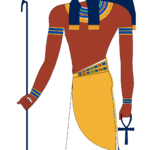 Khonsu
The use of incense in funerary practices served multiple purposes. It was believed to ward off evil spirits, purify the space, and create a direct connection between the living and the dead. Dedun’s involvement in these rituals underscores his importance as a deity who facilitates this connection, ensuring that the deceased were honored and protected in their transition to the next life.
Dedun’s Worship and Cult
While Dedun may not have had a widespread cult following like other major deities, evidence suggests that he was worshipped in specific regions, particularly where incense was produced. Temples dedicated to Dedun may have existed, where priests performed rituals and offered prayers to invoke his blessings. These temples would have served as sacred spaces for the community to come together and honor the deity.
Rituals dedicated to Dedun likely involved the burning of incense and the presentation of offerings, such as food and drink, to appease the god and seek his favor. The community would gather to participate in these ceremonies, reinforcing social bonds and shared beliefs in the importance of honoring the gods and the deceased. Dedun’s role in these rituals exemplifies the collective responsibility of the community to ensure the well-being of both the living and the dead.
Dedun in Art and Iconography
In ancient Egyptian art, Dedun is often depicted in a manner that reflects his association with incense and protection. While there are fewer representations of Dedun compared to more prominent deities, he can be found in various artifacts, including statuettes and reliefs. These artworks typically feature symbols of incense, such as burning incense burners or the fragrant plants themselves.
Dedun’s imagery may also include elements associated with the afterlife, such as the ankh symbol, which represents life, and the was scepter, symbolizing power and authority. These symbols serve to reinforce Dedun’s protective qualities and his connection to the divine realm. Through these artistic representations, Dedun is honored and remembered as a deity who plays a crucial role in the spiritual practices of the ancient Egyptians.
Dedun’s Legacy
Despite being a lesser-known deity, Dedun’s legacy endures through the rituals and practices of ancient Egyptian spirituality. His association with incense and the protection of the dead continues to resonate with those interested in Egyptian mythology. The importance of aromatic substances in ancient Egyptian culture cannot be overstated, as they played a vital role in both daily life and religious practices.
Today, modern interpretations of Egyptian mythology often explore the significance of various deities, including Dedun. Scholars and enthusiasts alike seek to understand the complex relationships between gods, humans, and the natural world in ancient Egypt. Dedun’s unique role as a god of incense and protection adds depth to the understanding of ancient Egyptian beliefs and practices, highlighting the intricate tapestry of their mythology.
Conclusion: The Role of Incense in Egyptian Rituals
Dedun’s association with incense underscores the broader cultural significance of aromatic substances in ancient Egyptian rituals. Incense was not merely a luxury; it was an essential component of religious practices that facilitated communication with the divine. The act of burning incense was seen as a way to send prayers and offerings to the gods, creating a sacred atmosphere that allowed the living to connect with the spiritual realm.
Through the lens of Dedun, we gain insight into the ancient Egyptians’ understanding of the afterlife and their reverence for the divine. The careful preparation of the deceased, accompanied by the fragrant offerings, reflects a deep-seated belief in the importance of honoring those who have passed on. Dedun serves as a reminder of the intricate relationships between gods, humans, and the spiritual world, emphasizing the enduring legacy of Egyptian mythology.