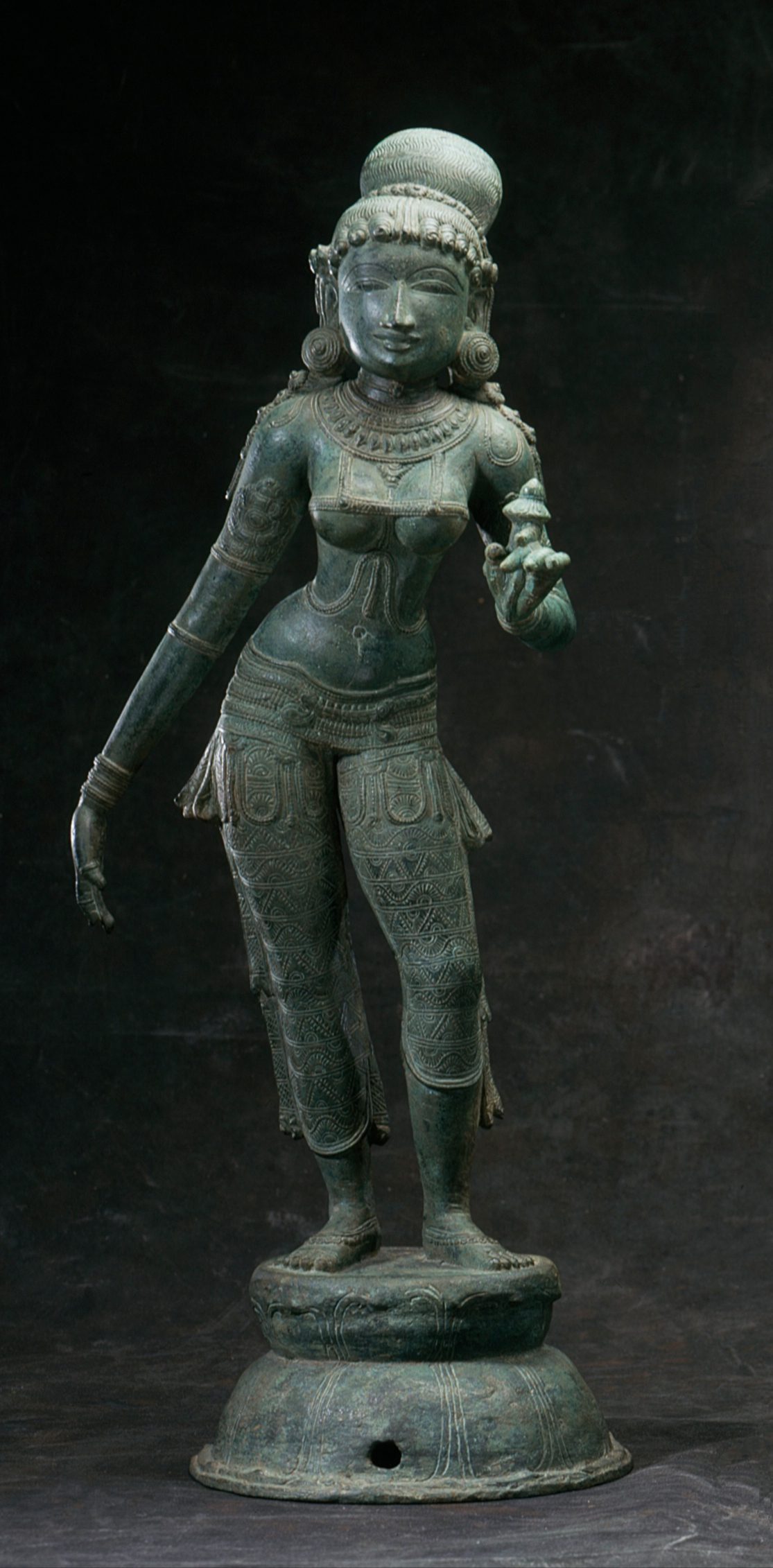
Rukmini is a significant figure in Hindu mythology, particularly in the context of the epic tales of the Mahabharata and the Bhagavata Purana. She is known as the princess of Vidarbha and the beloved wife of Lord Krishna. Rukmini’s story is one of love, devotion, and the triumph of good over evil. Her character embodies the ideals of loyalty and righteousness, making her a revered figure in Hindu culture. In this article, we will explore various aspects of Rukmini’s life, her relationship with Krishna, and the lessons that can be drawn from her story.
The Birth and Early Life of Rukmini
Rukmini was born to King Bhishmaka of Vidarbha and Queen Vrihadrathi. From a young age, she was known for her beauty and grace. The tales of her early life often emphasize her intelligence and her strong will. Rukmini was not only admired for her physical attributes but also for her profound knowledge of the scriptures and her understanding of dharma, the moral law that governs individual conduct in Hindu philosophy.
 Rudras
As she grew older, Rukmini became aware of her destiny and the significance of her future marriage. She was particularly drawn to Lord Krishna, who was renowned for his divine qualities and heroic deeds. Rukmini’s heart was set on Krishna, but her family had other plans. Her brother, Rukmi, was determined to marry her to Shishupala, the prince of Chedi, who was not only a rival of Krishna but also known for his cruel nature.
The Love Story of Rukmini and Krishna
Rukmini’s love for Krishna was profound and unwavering. She decided to take matters into her own hands to avoid marrying Shishupala. In a moment of desperation, Rukmini wrote a heartfelt letter to Krishna, expressing her feelings and seeking his help. In this letter, she detailed her love for him and her unwillingness to marry anyone else. The letter is often cited as a classic example of romantic devotion in Hindu literature.
Upon receiving the letter, Krishna was deeply moved. He understood the gravity of the situation and decided to intervene. He resolved to rescue Rukmini from her impending marriage. This act of heroism is celebrated in various texts and is a testament to Krishna’s role as a divine lover and protector.
 Rudranis
The Abduction of Rukmini
The day of Rukmini’s wedding to Shishupala arrived, and she was filled with dread. As she was being taken to the altar, Krishna made his move. He arrived at the wedding venue with great speed and stealth, showcasing his divine powers. The moment he appeared, the atmosphere changed, and Rukmini felt a surge of hope and excitement.
Krishna swiftly abducted Rukmini from the wedding ceremony, much to the shock of the attendees. Rukmi and his allies attempted to pursue Krishna, but they were no match for his divine prowess. This event is often depicted in art and literature as a dramatic moment filled with tension and excitement. Rukmini’s abduction is symbolic of the struggle between good and evil, with Krishna representing righteousness and Shishupala embodying tyranny.
The Wedding of Rukmini and Krishna
After successfully rescuing Rukmini, Krishna took her to his kingdom of Dwarka. There, they were married in a grand ceremony filled with joy and celebration. The union of Rukmini and Krishna is often portrayed as a perfect match, where both partners complement each other’s strengths and virtues. Their marriage symbolizes the ideal relationship based on mutual respect, love, and devotion.
 Rudrânî
The wedding was not just a personal affair but also a significant event that united two powerful families. It is said that the gods themselves were pleased with this union, as Rukmini was destined to be with Krishna, who was considered an incarnation of Vishnu. Their marriage is celebrated in various festivals and rituals across India, highlighting the importance of their love story in Hindu culture.
The Character of Rukmini
Rukmini is often depicted as an epitome of virtue and grace. Her character embodies the qualities of devotion, strength, and wisdom. Despite being a princess, she is portrayed as humble and grounded, always putting the needs of her family and her husband above her own desires. This selflessness makes her a role model for many, especially women in Hindu society.
Her devotion to Krishna is unwavering, and she often acts as a source of strength for him. Rukmini is not just a passive character in the stories; she actively participates in various events, providing support and counsel to Krishna. Her intelligence and insight often help Krishna in his endeavors, showcasing her as an equal partner in their relationship.
The Lessons from Rukmini’s Life
Rukmini’s life offers several valuable lessons that resonate with many people. One of the most prominent lessons is the importance of following one’s heart. Rukmini did not hesitate to express her love for Krishna, even when faced with societal pressures. Her courage to stand up for her beliefs is a powerful message for individuals to pursue their passions and desires without fear.
Another lesson is the significance of loyalty and commitment. Rukmini remained steadfast in her love for Krishna, even in the face of adversity. Her unwavering support for her husband during challenging times highlights the value of partnership and trust in relationships. This aspect of her character teaches us that true love is not just about passion but also about standing by each other through thick and thin.
The Role of Rukmini in Hindu Festivals
Rukmini’s story is celebrated in various Hindu festivals, particularly during the festivities of Diwali and Janmashtami. Diwali, the festival of lights, marks the return of Lord Rama to Ayodhya after defeating Ravana. It is also a time to honor the divine couple of Rukmini and Krishna, who are seen as embodiments of love and righteousness.
During Janmashtami, which celebrates the birth of Krishna, many devotees recount the tales of Rukmini and Krishna. Temples often have special rituals dedicated to them, and the stories of their love are shared among the community. These celebrations serve to reinforce the values of love, devotion, and moral integrity that Rukmini represents.
Rukmini in Art and Literature
Rukmini has been a source of inspiration for countless artists and writers throughout history. She is often depicted in paintings and sculptures, showcasing her beauty and grace alongside Krishna. The art captures the essence of their love story, portraying the deep emotional connection between the two characters.
- Paintings: Many renowned artists have created works depicting Rukmini and Krishna, often highlighting the moments of their courtship and marriage.
- Literature: Rukmini’s story is featured in various texts, including the Mahabharata and the Bhagavata Purana, where her character is explored in depth.
- Dance and Drama: Traditional Indian dance forms often depict the stories of Rukmini and Krishna, showcasing their love through expressive movements and storytelling.
These artistic representations help to keep Rukmini’s legacy alive and allow new generations to connect with her story. Through art and literature, the values she embodies continue to inspire people in their daily lives.
The Spiritual Significance of Rukmini
In addition to her role in mythology, Rukmini holds spiritual significance for many devotees. She is often worshipped as a goddess, representing the divine feminine energy. Rukmini is seen as a symbol of Shakti, the cosmic energy that drives the universe. Her devotion to Krishna is viewed as an ideal expression of the relationship between the divine and the mortal.
Many devotees seek Rukmini’s blessings for a harmonious marriage and a loving relationship. Rituals and prayers dedicated to her are common, especially among couples who wish to strengthen their bond. By invoking Rukmini’s name, devotees aspire to embody her virtues of love, devotion, and selflessness in their own lives.
The Legacy of Rukmini
Rukmini’s legacy extends beyond her narrative in Hindu mythology. She represents the ideals of love, commitment, and righteousness that continue to resonate with people today. Her story serves as a reminder of the importance of standing up for one’s beliefs and the power of love to overcome obstacles.
In modern times, Rukmini is often cited as an example of a strong woman who defies societal norms to pursue her happiness. Her character encourages individuals, especially women, to assert their rights and seek their desires. The themes of her story remain relevant, inspiring discussions about love, marriage, and personal agency in contemporary society.
Rukmini in Contemporary Culture
In contemporary culture, Rukmini’s influence can be seen in various forms, including literature, cinema, and popular media. Her character is often revisited in retellings of the Mahabharata and other epic tales. These adaptations bring her story to new audiences, highlighting the timeless nature of her virtues.
Furthermore, Rukmini’s character has become a symbol of empowerment for women. Many modern interpretations of her story focus on her strength and agency, portraying her as a proactive figure rather than a passive character. This shift in perspective allows for a deeper understanding of her role in the narrative and encourages discussions about women’s rights and representation in society.
Conclusion
Rukmini remains a beloved figure in Hindu mythology, representing the ideals of love, devotion, and righteousness. Her story continues to inspire countless individuals, serving as a reminder of the power of love and the importance of standing up for one’s beliefs. Through various forms of art and literature, Rukmini’s legacy lives on, encouraging future generations to embody her virtues and embrace the lessons she imparts.