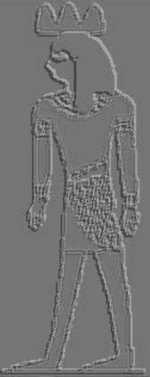
In Egyptian mythology, Ha is a fascinating figure often associated with the concept of flooding and the life-giving waters of the Nile River. This deity is particularly significant because the Nile’s annual inundation was crucial for agriculture and the survival of the ancient Egyptian civilization. Without the floods, the land would remain barren, and the people would struggle to grow food. Ha represents the vital force of water, which sustains life and rejuvenates the earth. This article delves into the role of Ha in Egyptian mythology, exploring his significance, attributes, and the ways in which he was worshipped.
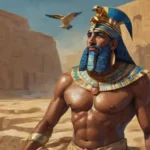
Ha: The God of the Flood
Ha is primarily known as the god of the Nile floods. The flooding of the Nile was an annual event that brought rich silt to the fields, making them fertile for planting crops. Ancient Egyptians relied heavily on this natural phenomenon for their agriculture, and they viewed it as a divine gift. Ha symbolizes this life-giving aspect of the Nile, embodying the water that sustains both people and nature. He was often depicted as a man with a large, flowing beard, signifying the abundance of water. His association with the floods made him a vital part of Egyptian cosmology, reflecting the interdependence between the natural world and human existence.
The flooding of the Nile typically occurred between June and September, and this period was crucial for farmers. The waters would recede around October, revealing fertile soil ready for planting. Ha was revered during this time as he was believed to control the waters. The Egyptians honored him through various rituals and offerings, hoping to ensure a bountiful harvest. His presence was a reminder of the delicate balance between nature and humanity, emphasizing the need for respect and gratitude towards the forces that sustain life.
The Symbolism of Ha
Ha embodies several important symbols in Egyptian mythology. One of the most prominent is the lotus flower, which is often associated with rebirth and regeneration. Just as the lotus rises from the muddy waters of the Nile, so too does life emerge from the floods that Ha brings. This symbolism reinforces the idea that water is essential for growth and renewal. The lotus also represents purity, making it a fitting symbol for a deity associated with the life-giving properties of water.
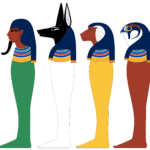 Sons Of Horus
Another significant symbol connected to Ha is the ankh, the ancient Egyptian symbol of life. The ankh represents the concept of eternal life and is often depicted in the hands of gods and pharaohs. Ha’s association with the ankh underscores his role as a giver of life through the nourishing waters of the Nile. This connection highlights the broader theme in Egyptian mythology where deities are intertwined with the natural elements, emphasizing their importance in maintaining the cycle of life.
Worship and Rituals
The worship of Ha was an integral part of ancient Egyptian religion. Farmers, in particular, played a significant role in honoring this deity, as their livelihoods depended on the floods he controlled. Rituals often included offerings of food and drink, which were presented to Ha in hopes of securing his favor. These offerings were seen as a way to express gratitude for the floods and to request a successful growing season. Temples dedicated to Ha were often located near the Nile, emphasizing his connection to the river and its life-giving waters.
In addition to offerings, various festivals were held to celebrate the flooding of the Nile. These events were marked by communal gatherings where people would come together to honor Ha and seek his blessings. The rituals often involved music, dance, and prayers, creating a vibrant atmosphere of reverence and joy. Such festivals served not only as a means of worship but also as a way to strengthen community bonds among the people who relied on the Nile for their sustenance.
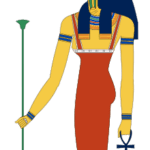 Renenet
Key Festivals Associated with Ha
- Wepet-Renpet: This festival marked the start of the agricultural year and celebrated the arrival of the Nile floods. It was a time of joy and hope for farmers.
- Opet Festival: This festival honored the god Amun and involved a procession along the Nile. While primarily dedicated to Amun, Ha was also invoked for his role in providing the waters needed for the crops.
- Harvest Festival: After the floods receded and the crops were harvested, people would gather to give thanks to Ha for his contributions to their sustenance.
Ha in Art and Literature
In ancient Egyptian art, Ha is often depicted in scenes related to agriculture and the Nile. Artists portrayed him in various forms, emphasizing his connection to the river and the life it brings. One common representation shows him holding a staff or a scepter, symbolizing his authority over the waters. These artistic representations served to remind the people of his importance and the need to honor him for the blessings he provided.
Literature from ancient Egypt also reflects the significance of Ha. Texts often describe the floods in poetic language, attributing their arrival to Ha’s divine intervention. Such writings emphasized the cyclical nature of life, drawing parallels between the flooding of the Nile and the human experience of birth, growth, and renewal. These literary works served not only as religious texts but also as a means of preserving cultural values and beliefs for future generations.
The Legacy of Ha
Ha’s influence extended beyond the realm of agriculture and the Nile. His legacy is embedded in the very fabric of ancient Egyptian society. The reverence for water and its life-giving properties can be seen in various aspects of Egyptian culture, from their art to their religious practices. The acknowledgment of Ha and the Nile reflects a broader understanding of the interconnectedness of all life forms and the importance of nature in sustaining human existence.
Even today, the Nile remains a symbol of life and fertility in Egypt. The ancient worship of Ha and the significance of the floods have left a lasting impact on the culture and identity of the Egyptian people. Understanding Ha’s role in mythology provides insight into how the ancient Egyptians viewed their world, emphasizing their dependence on natural forces and the need to live in harmony with them.
Ha stands as a pivotal figure in Egyptian mythology, representing the life-giving floods of the Nile. His importance in agriculture, art, and religious practices highlights the deep connection the ancient Egyptians had with their environment. The reverence for water and the cycles of nature that Ha embodies continue to resonate in Egyptian culture today, reminding us of the enduring legacy of this fascinating deity.