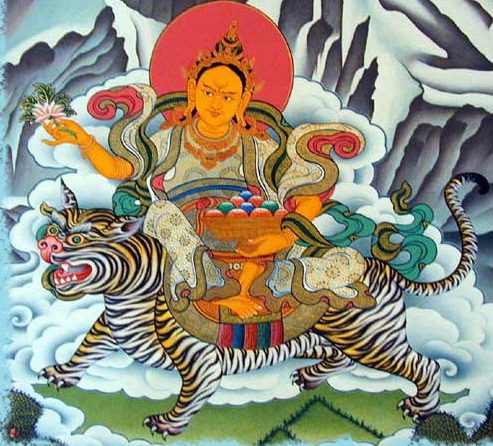
Miyolangsangma is a fascinating figure in Buddhist mythology. She is often associated with the concept of abundance and prosperity. In the rich tapestry of Buddhist beliefs, Miyolangsangma represents the idea that spiritual growth can lead to material wealth and happiness. Her stories and teachings emphasize the importance of balance between the spiritual and material worlds. In this article, we will explore the various aspects of Miyolangsangma, her significance in Buddhist tradition, and how her teachings can be applied in modern life.
The Origins of Miyolangsangma
The origins of Miyolangsangma can be traced back to ancient Buddhist texts and folklore. She is often depicted as a celestial being, embodying the qualities of compassion and generosity. According to legend, she resides in the heavens and is known to bless her devotees with good fortune and prosperity. The stories of Miyolangsangma have been passed down through generations, highlighting her role as a protector and provider.
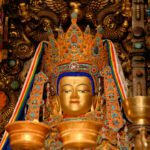 Jowo Rinpoche
Miyolangsangma is often associated with the Eight Auspicious Symbols of Buddhism, which include the conch shell, the lotus flower, and the endless knot. Each of these symbols carries deep spiritual meaning, representing various aspects of the Buddhist path. Her connection to these symbols underscores her importance in Buddhist cosmology and her role as a guardian of wealth and abundance.
The Significance of Miyolangsangma in Buddhist Tradition
Miyolangsangma holds a significant place in the hearts of many Buddhists. She is revered not only for her ability to bestow material wealth but also for her teachings on the importance of spiritual growth. In Buddhist tradition, it is believed that true prosperity comes from within, and Miyolangsangma embodies this principle. Her teachings encourage individuals to cultivate a sense of inner peace and harmony, which in turn attracts external abundance.
In many Buddhist rituals and ceremonies, devotees invoke Miyolangsangma’s blessings. Offerings are made in her honor, and prayers are recited to seek her guidance. This practice reflects the deep respect and admiration that Buddhists have for her. It is common to see altars adorned with images of Miyolangsangma, surrounded by offerings of fruits, flowers, and incense, symbolizing the desire for both spiritual and material fulfillment.
 Jizo
JizoMiyolangsangma’s Teachings on Prosperity
One of the key teachings of Miyolangsangma is the idea that prosperity is not merely about accumulating wealth but about finding balance in life. She teaches that true abundance comes from a harmonious relationship with oneself, others, and the environment. This holistic approach to prosperity emphasizes the importance of generosity and kindness, as these qualities can lead to a more fulfilling life.
Miyolangsangma encourages her followers to practice gratitude and mindfulness. By being aware of the blessings in their lives, individuals can attract even more positive experiences. This teaching aligns with the Buddhist principle of mindfulness, which emphasizes living in the present moment and appreciating what one has. Through her teachings, Miyolangsangma inspires individuals to cultivate a mindset of abundance rather than scarcity.
Symbolism of Miyolangsangma
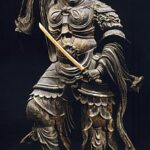 Jikoku-ten
The symbolism associated with Miyolangsangma is rich and varied. She is often depicted with a golden crown, representing her divine status and connection to the spiritual realm. The crown also symbolizes the idea of enlightenment and the attainment of higher wisdom. In many artistic representations, she is shown holding a lotus flower, which signifies purity and spiritual awakening.
Additionally, Miyolangsangma is sometimes portrayed surrounded by a multitude of jewels and treasures. These jewels symbolize the material wealth that can be achieved through spiritual practice and dedication. The presence of these symbols in her depictions serves as a reminder that material success is often a reflection of one’s inner state. By focusing on spiritual growth, individuals can naturally attract prosperity into their lives.
The Role of Rituals in Honoring Miyolangsangma
Rituals play a crucial role in honoring Miyolangsangma and seeking her blessings. Many Buddhists engage in various practices to connect with her energy and receive her guidance. These rituals often include chanting, meditation, and making offerings. The act of offering food, flowers, and incense is seen as a way to express gratitude and respect for her presence in their lives.
One common ritual involves creating a small altar dedicated to Miyolangsangma. Devotees will place her image on the altar, along with offerings that symbolize their intentions and desires. This practice not only fosters a sense of connection to her but also serves as a reminder of the importance of cultivating a generous and compassionate heart. Through these rituals, individuals seek to align themselves with the energies of abundance and prosperity that Miyolangsangma represents.
Miyolangsangma in Modern Context
In today’s fast-paced world, the teachings of Miyolangsangma remain relevant and impactful. Many people are seeking ways to find balance in their lives, especially in the face of challenges and uncertainties. Her teachings on abundance and prosperity can be applied to modern life by encouraging individuals to focus on their inner growth while also pursuing their material goals.
Practicing mindfulness, gratitude, and generosity can help individuals create a more fulfilling life. In a society that often emphasizes competition and material success, Miyolangsangma’s teachings serve as a reminder that true happiness comes from within. By fostering a sense of community and supporting one another, individuals can create a more prosperous environment for themselves and others.
The Influence of Miyolangsangma on Art and Culture
Miyolangsangma has had a significant influence on art and culture, particularly in regions where Buddhism is practiced. Her image can be found in various forms of artistic expression, including paintings, sculptures, and textiles. Artists often depict her in ways that highlight her beauty, grace, and the abundance she represents. These artistic representations serve not only as a form of devotion but also as a source of inspiration for many.
In addition to visual arts, Miyolangsangma’s influence extends to literature and music. Many poems and songs have been written in her honor, celebrating her qualities and teachings. These works often explore themes of prosperity, compassion, and the importance of spiritual growth. Through these creative expressions, the essence of Miyolangsangma continues to resonate with people across cultures and generations.
The teachings of Miyolangsangma remind us of the importance of balancing our spiritual and material lives. By embracing her principles of gratitude, mindfulness, and generosity, we can create a more abundant and fulfilling existence. As we honor Miyolangsangma in our practices and daily lives, we not only seek her blessings but also cultivate a deeper understanding of what true prosperity means.