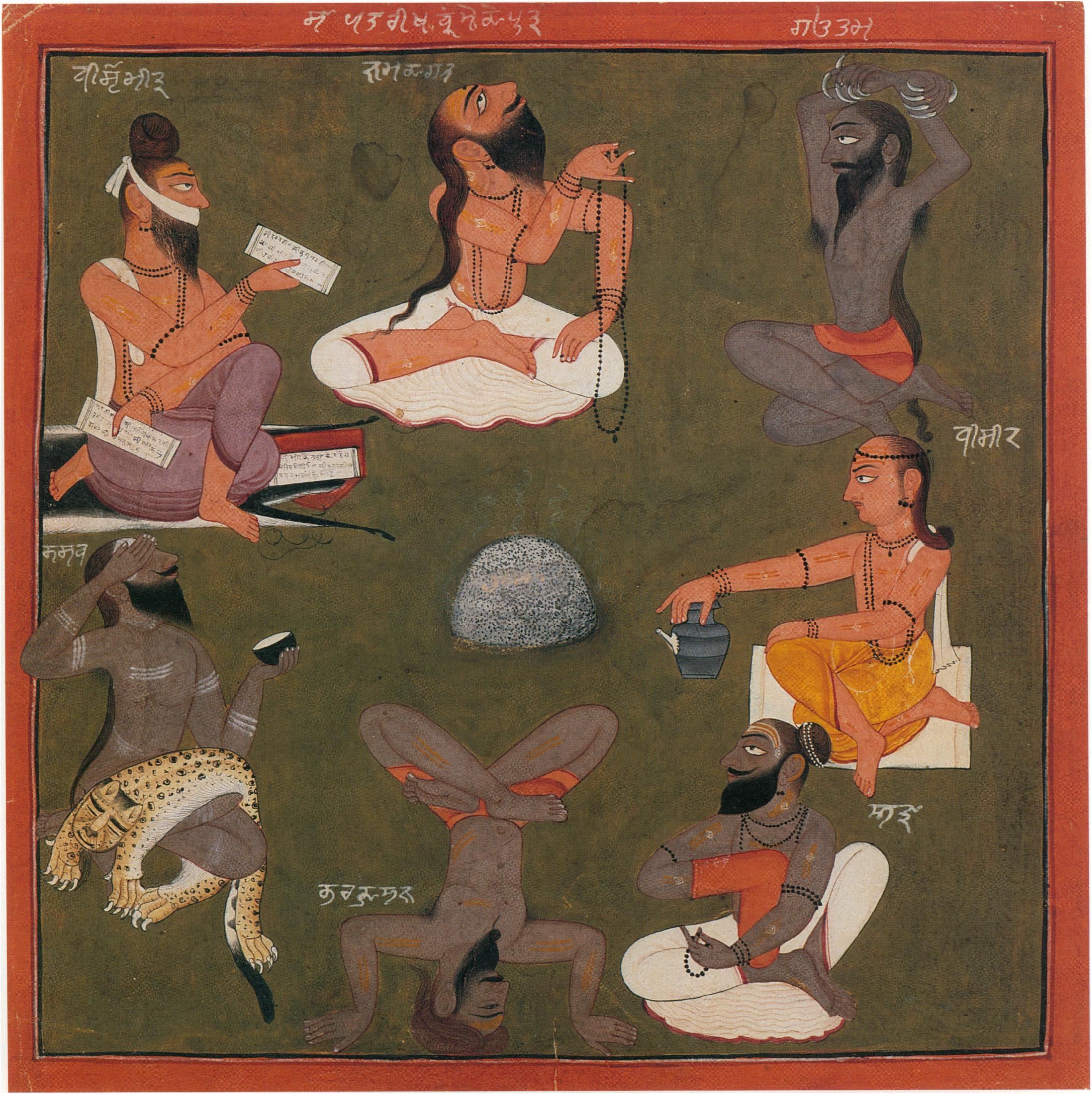
In Hindu mythology, the Saptarishis hold a significant place. They are considered the seven great sages who are revered in ancient Indian texts. The term Saptarishi comes from the Sanskrit words “sapta,” meaning seven, and “rishi,” meaning sage or seer. These sages are often depicted as wise and powerful figures who possess deep knowledge and insight into the universe. Their teachings and contributions have shaped many aspects of Hindu philosophy, spirituality, and rituals. Understanding the Saptarishis provides valuable insight into the spiritual heritage of India.
The Seven Sages
The Saptarishis are typically identified as Vashishta, Viswamitra, Jamadagni, Bhrigu, Atri, Angiras, and Gautama. Each of these sages has unique attributes and stories associated with them, contributing to their revered status. They are often mentioned in the Rigveda, one of the oldest texts in Hindu literature. The Saptarishis are not only important in the Vedic tradition but also play a crucial role in various Hindu epics and Puranas.
 Samba
SambaThe first sage, Vashishta, is known for his wisdom and is often associated with the creation of hymns and mantras. He is considered a teacher of the gods and is frequently depicted as a mentor to many kings. Viswamitra, another prominent sage, is known for his journey from a king to a sage and for creating the Gayatri mantra, one of the most important mantras in Hinduism. His story highlights the struggle for spiritual enlightenment and the power of determination.
Jamadagni is known for his fierce devotion and is often depicted as a guardian of sacred knowledge. He is also associated with the creation of the Parashurama avatar of Lord Vishnu, who is known for his warrior skills. Bhrigu is recognized for his role in astrology and is often associated with the Bhrigu Samhita, a famous astrological text. His contributions to the understanding of cosmic principles make him a revered figure among astrologers.
Atri is another sage known for his deep meditation and spiritual practices. He is often depicted as the father of several divine beings, including the moon god, Chandra. His teachings emphasize the importance of meditation and self-realization. Angiras is celebrated for his knowledge of fire rituals and is often associated with the concept of sacrifice in Vedic traditions. Finally, Gautama, known for his philosophical insights, is often portrayed as a seeker of truth and wisdom.
 Shakti
The Role of Saptarishis in Hindu Cosmology
The Saptarishis are not just historical or mythical figures; they play a vital role in Hindu cosmology. They are believed to be the guiding forces behind the creation and maintenance of the universe. According to Hindu beliefs, the Saptarishis are responsible for imparting knowledge and wisdom to humanity. They are considered the eternal seers who transcend time and space, existing in different cosmic cycles known as Yugas.
In Hindu cosmology, time is divided into four Yugas: Satyuga, Tretayuga, Dvapara, and Kaliyuga. Each Yuga represents a different phase of spiritual evolution and moral decline. The Saptarishis are said to reappear in each cycle to guide humanity towards righteousness. Their teachings are believed to help restore balance and harmony in the universe.
 Sakata
During the Satyuga, the age of truth, the Saptarishis are believed to be more actively engaged with humanity, providing guidance and wisdom. As time progresses into the Tretayuga and Dvapara, their presence becomes less direct, leading to a gradual decline in spiritual awareness. In the current age, Kaliyuga, the Saptarishis are seen as distant figures, yet their teachings continue to influence spiritual practices and philosophies.
Legends and Stories of the Saptarishis
Many legends and stories surround the Saptarishis, illustrating their significance in Hindu mythology. One famous tale involves Vashishta and Viswamitra. Their rivalry is well-known, as Viswamitra sought to prove his superiority over Vashishta. The story depicts Viswamitra’s transformation from a king to a sage, showcasing his dedication to spiritual practices. This narrative highlights the theme of personal growth and the quest for knowledge.
Another popular legend is about Jamadagni and his son Parashurama. Jamadagni was known for his fierce nature and devotion to his wife, Renuka. In a fit of rage, he commanded Parashurama to kill his mother for not fulfilling a ritual. This story illustrates the complexities of familial relationships and the moral dilemmas faced by individuals. Parashurama’s subsequent actions reflect the struggle between duty and love.
The tale of Bhrigu is also noteworthy. It is said that he once tested the gods to determine who was the most powerful. This led to a series of events that emphasized the importance of humility and devotion. The Saptarishis’ stories often contain moral lessons, teaching values such as respect, devotion, and the pursuit of truth.
The Saptarishis in Modern Hindu Practices
The influence of the Saptarishis can be seen in various aspects of modern Hindu practices. Their teachings are often incorporated into rituals, prayers, and meditative practices. Many Hindus invoke the names of the Saptarishis during religious ceremonies, seeking their blessings and guidance. This reflects the enduring legacy of these sages in contemporary spirituality.
In addition to rituals, the Saptarishis are also referenced in astrology. Many astrologers study the teachings of Bhrigu and other sages to interpret celestial movements and their impact on human lives. The Bhrigu Samhita, a text attributed to Sage Bhrigu, is still consulted for astrological predictions and guidance, showcasing the relevance of the Saptarishis in modern astrological practices.
The Saptarishis also serve as a source of inspiration for spiritual seekers. Their stories of dedication, transformation, and wisdom motivate individuals on their spiritual journeys. Many modern spiritual leaders draw upon the teachings of the Saptarishis to encourage followers to pursue knowledge, self-realization, and ethical living. This connection to ancient wisdom continues to resonate with people seeking a deeper understanding of life.
The Saptarishis are more than just figures from ancient texts; they embody the quest for knowledge, truth, and spiritual evolution. Their teachings and stories provide timeless wisdom that continues to inspire individuals across generations. By understanding the significance of the Saptarishis, one can appreciate the rich tapestry of Hindu mythology and its relevance in contemporary life.