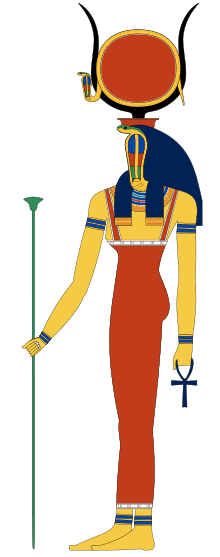
In ancient Egyptian mythology, Renenet is a goddess associated with fertility, nourishment, and the harvest. She played a significant role in agricultural practices, which were vital for the survival and prosperity of the Egyptian people. Renenet was often depicted as a woman holding a basket of grain or a sheaf of wheat, symbolizing the abundance of crops. Her presence in mythology highlights the importance of agriculture in ancient Egyptian society and the reverence they had for deities that provided sustenance.
The Role of Renenet in Egyptian Agriculture
Renenet was primarily known as the goddess of the harvest, and her influence extended to all aspects of agriculture. In a society that relied heavily on farming, she was revered as a protective figure for crops. Farmers would invoke her name during planting and harvesting seasons, seeking her blessings for a bountiful yield. Her role was crucial in ensuring that the land was fertile and that the crops grew strong and healthy. This connection to agriculture made her one of the most important deities for the common people.
 Ihu
IhuRenenet was also associated with the concept of abundance. This notion was vital in ancient Egypt, where the annual flooding of the Nile River provided the necessary water and nutrients for the fields. The Egyptians believed that Renenet played a part in controlling the fertility of the land. As such, she was often called upon during the inundation season, which was essential for the success of the agricultural cycle. Without her blessings, farmers feared that their crops would fail, leading to hunger and despair.
Symbolism of Renenet
- Grain and Harvest: Renenet is often depicted with grain, symbolizing the importance of crops in sustaining life.
- Fertility: Her connection to fertility emphasizes the need for successful reproduction in both crops and livestock.
- Protection: She is seen as a guardian of the harvest, ensuring that farmers have a good yield.
The symbols associated with Renenet further illustrate her significance in the agricultural cycle. Grain was a primary food source in ancient Egypt, and Renenet’s image with wheat or barley highlighted her role in providing sustenance. This connection to grain made her a vital figure in rituals and ceremonies that sought to ensure a successful harvest. Additionally, her association with fertility extended beyond crops to livestock, making her a comprehensive symbol of nourishment and growth.
Worship and Rituals
The worship of Renenet was an essential part of ancient Egyptian religious practices. Farmers would perform rituals dedicated to her to ensure that their crops would flourish. These rituals often included offerings of food, particularly grain, as a way to honor the goddess and express gratitude for her blessings. During the harvest season, celebrations would be held in her honor, where people would gather to give thanks for the abundance they received.
 Duamutef
Rituals dedicated to Renenet also included prayers and incantations that were recited by priests and farmers alike. These prayers would invoke her name and ask for her protection over the fields. The Egyptians believed that by pleasing Renenet, they could secure a good harvest and avoid famine. These practices were deeply ingrained in their culture, reflecting the strong connection between religion and daily life.
Festivals Celebrating Renenet
- Harvest Festival: A celebration to thank Renenet for the crops.
- Inundation Festival: A ritual performed during the flooding of the Nile to ensure fertility.
- Feasts: Large gatherings where offerings were made to Renenet.
One of the most significant festivals was the Harvest Festival, where communities came together to celebrate the successful gathering of crops. During this time, people would prepare large feasts and make offerings to Renenet, expressing their gratitude for her role in their sustenance. The Inundation Festival also held great importance, as it marked the beginning of the agricultural season when the Nile would flood. During this festival, rituals were performed to honor Renenet and ensure the land’s fertility for the coming year.
Depictions of Renenet in Art
In ancient Egyptian art, Renenet was often depicted in ways that highlighted her connection to agriculture and fertility. Artists portrayed her as a woman with a beautiful face, holding symbols of harvest, such as grain and fruits. These artistic representations served not only as a means of worship but also as a reminder of the goddess’s importance in everyday life. The images of Renenet were commonly found in tombs, temples, and agricultural scenes, emphasizing her role in both life and the afterlife.
 Dua
DuaMoreover, Renenet’s depictions often included specific symbols that represented her powers. For instance, she was sometimes shown with a sistrum, a musical instrument associated with fertility and joy. This instrument was believed to ward off evil spirits and promote a fruitful harvest. The combination of her imagery and the symbols associated with her further solidified her status as a protective and nurturing figure in Egyptian mythology.
Common Artistic Themes
- Women and Fertility: Renenet was often shown alongside other goddesses related to fertility.
- Crops and Agriculture: Scenes depicting the harvest frequently included Renenet.
- Rituals: Artistic representations of rituals dedicated to Renenet were common.
The themes in art related to Renenet often revolved around femininity and the nurturing aspects of agriculture. She was frequently depicted with other goddesses associated with fertility, creating a network of divine figures that represented various aspects of life and sustenance. Additionally, many scenes illustrated the act of harvesting crops, showcasing Renenet’s vital role in ensuring that the people of Egypt were well-fed and prosperous.
Renenet in Myths and Stories
In Egyptian mythology, Renenet’s stories often centered around her role as a protector and provider. One popular myth involved her assistance to farmers during the harvest. According to the tale, she would bless the fields with her presence, ensuring that the crops grew tall and strong. This myth served as a reminder to the people of the importance of divine intervention in their daily lives and the reliance they had on the gods for their sustenance.
Another aspect of Renenet’s mythology included her association with the afterlife. The Egyptians believed that she not only provided for them in life but also continued to care for them after death. In this context, Renenet was thought to guide the souls of the deceased, ensuring that they had enough sustenance in the afterlife. This belief further emphasized her role as a nurturing figure and solidified her importance in both life and death.
Key Myths Involving Renenet
- The Blessing of the Fields: A story of how Renenet provided for farmers.
- Guidance in the Afterlife: Renenet’s role in ensuring sustenance for the deceased.
- Protection from Famine: Myths that highlight her ability to ward off hunger.
These myths not only illustrate Renenet’s significance in agricultural practices but also highlight the deeper spiritual beliefs of the ancient Egyptians. The idea that a goddess could influence both their earthly lives and their journeys after death was a powerful concept that shaped their understanding of the world around them. Renenet’s nurturing nature made her a beloved figure, and her stories were passed down through generations as a testament to her importance.
Comparisons with Other Egyptian Deities
Renenet shares similarities with other Egyptian deities, particularly those associated with agriculture and fertility. For example, she is often compared to Osiris, the god of the afterlife and agriculture. Both deities were revered for their roles in ensuring that the land was fertile and that the people had enough food. However, while Osiris is primarily known for his connection to the afterlife, Renenet’s focus remained on the living and the agricultural cycle.
Another deity often associated with Renenet is Hathor, the goddess of love, beauty, and fertility. Hathor was celebrated for her nurturing qualities and was often depicted with symbols of abundance, similar to Renenet. While both goddesses share themes of fertility and nourishment, Renenet’s primary role was more closely tied to the harvest and agriculture, whereas Hathor encompassed a broader range of life aspects, including love and joy.
Similarities and Differences
- Focus on Agriculture: Renenet is specifically tied to the harvest.
- Afterlife Connections: Osiris is more focused on the afterlife than Renenet.
- Nurturing Aspects: Both Renenet and Hathor represent nurturing qualities.
These comparisons illustrate the rich tapestry of Egyptian mythology, where deities often shared characteristics while maintaining distinct roles. The reverence for Renenet within this pantheon highlights the importance of agriculture and sustenance in the lives of the ancient Egyptians. By understanding her role alongside other deities, we can appreciate the complex beliefs and values that shaped their society.
The Legacy of Renenet
The legacy of Renenet continues to resonate in modern discussions about ancient Egyptian culture and mythology. As a goddess of fertility and agriculture, she embodies the critical relationship between humans and the land they rely on for survival. Her importance in agricultural practices highlights the deep respect that ancient Egyptians had for the forces of nature and the divine. Renenet serves as a reminder of the essential role that agriculture played in sustaining civilizations throughout history.
Moreover, Renenet’s legacy can be seen in the way contemporary societies view agricultural deities. Many cultures around the world have similar figures that represent fertility and harvest, showcasing a universal appreciation for the importance of food and sustenance. Renenet’s story, along with those of other agricultural deities, emphasizes the interconnectedness of humanity and the environment, a theme that remains relevant today.
Influence on Modern Culture
- Representation in Art: Renenet’s image can be found in various modern artistic expressions.
- Farming Practices: The reverence for agricultural deities continues in some cultures.
- Literature and Media: Renenet is referenced in books and films related to Egyptian mythology.
Today, Renenet’s influence can be observed in various forms of art, literature, and even farming practices. Artists and writers often draw inspiration from her story, showcasing the enduring impact of ancient mythology on contemporary culture. Additionally, some communities still honor agricultural deities in their farming practices, reflecting the timeless importance of agriculture in human life. Renenet’s legacy is a testament to the rich history of Egyptian mythology and its relevance to our understanding of the world.