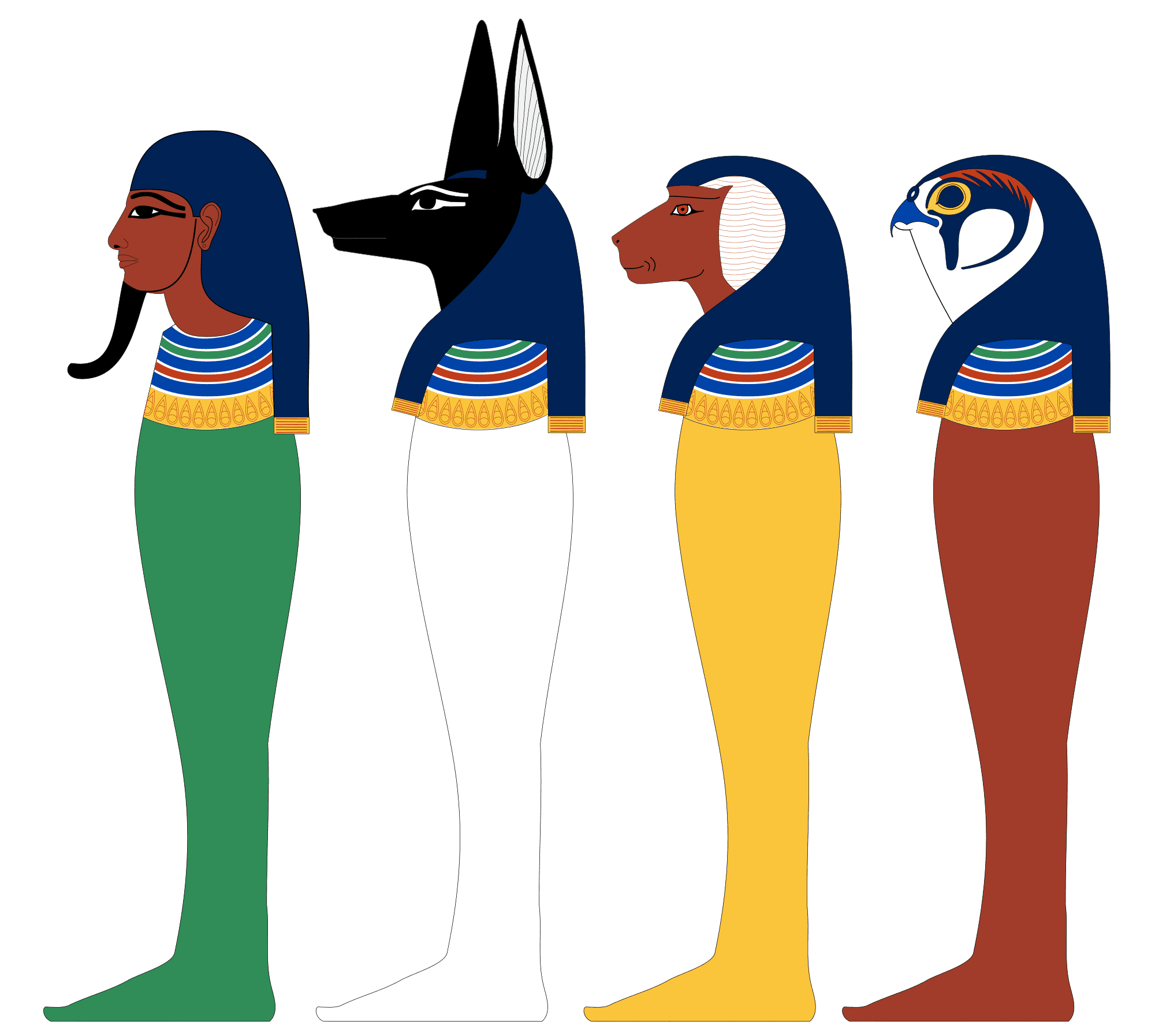
The Sons of Horus are significant figures in Egyptian mythology, representing the protective aspects of the god Horus. They are often depicted as guardians of the deceased, particularly in the context of funerary practices and rituals. Each son has distinct attributes and roles, symbolizing various elements associated with death and the afterlife. The Sons of Horus are typically identified as Imsety, Hapy, Duamutef, and Qebehsenuef. They are often depicted in ancient texts and tomb paintings, serving as a reminder of the importance of protection and guidance in the journey after death.
Origins of the Sons of Horus
The origins of the Sons of Horus are deeply rooted in Egyptian mythology and religion. According to ancient texts, they are the children of Horus, the falcon-headed god who is associated with the sky, kingship, and protection. The narrative surrounding their birth often emphasizes the conflict between Horus and his uncle Set, who represents chaos and disorder. This conflict is crucial to understanding the protective role of the Sons of Horus, as they are seen as defenders against the chaos that Set embodies.
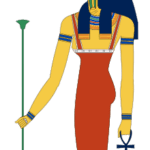 Renenet
In Egyptian cosmology, the Sons of Horus were created to safeguard the body of the deceased Osiris, Horus’s father. Osiris is a central figure in Egyptian mythology, representing resurrection and the afterlife. The Sons of Horus, therefore, serve a dual purpose: they protect the deceased and ensure that the balance between order and chaos is maintained. This connection to Osiris highlights their significance in funerary practices, where they were invoked to aid in the journey of the soul.
The Four Sons and Their Symbols
Each of the Sons of Horus has unique characteristics and is associated with specific symbols and attributes. Understanding these distinctions is essential to grasping their roles in mythology and funerary rites. The four Sons are:
- Imsety: The human-headed son, representing the south and associated with the protection of the liver.
- Hapy: The baboon-headed son, representing the north and associated with the protection of the lungs.
- Duamutef: The jackal-headed son, representing the east and associated with the protection of the stomach.
- Qebehsenuef: The falcon-headed son, representing the west and associated with the protection of the intestines.
Each son was believed to oversee a specific organ, crucial for the afterlife. The practice of mummification involved the removal of these organs, which were then preserved in canopic jars, each adorned with the likeness of the respective Son of Horus. This practice highlights the importance of these deities in ensuring the deceased’s safe passage to the afterlife.
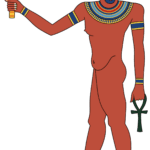 Ihu
IhuImsety: The Guardian of the Liver
Imsety, the human-headed son, is often depicted as a protector of the liver, which was considered vital for the afterlife. The liver was associated with the emotions and personality of the deceased, making it essential for their identity in the afterlife. In funerary texts, Imsety is shown as a guardian who watches over the deceased’s liver, ensuring it is preserved and protected.
Imsety is typically depicted as a man with a human head, wearing a wig and a decorative collar. His appearance signifies his role as a protector and a guide for the soul. He is often shown in tomb paintings alongside the other Sons of Horus, emphasizing their collective role in the afterlife journey. The presence of Imsety in funerary rituals reassured the families of the deceased that their loved ones would be protected in the afterlife.
Hapy: The Protector of the Lungs
Hapy, the baboon-headed son, is known for his role as the protector of the lungs. The lungs were associated with the ability to breathe in the afterlife, symbolizing life and vitality. Hapy’s image is often linked to the concept of renewal, reflecting the cyclical nature of life and death in Egyptian belief.
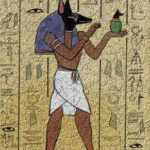 Duamutef
In artistic representations, Hapy is shown with the head of a baboon, an animal revered in ancient Egypt for its association with the moon and time. His presence in funerary contexts signifies the importance of breath and vitality in the afterlife. Hapy is often depicted with offerings of food and drink, underscoring the belief that the deceased would require sustenance in their new existence.
Duamutef: The Guardian of the Stomach
Duamutef, the jackal-headed son, is associated with the protection of the stomach. The stomach was viewed as a crucial organ for digestion and nourishment, playing a significant role in the deceased’s journey in the afterlife. Duamutef’s protective role emphasizes the belief that the deceased would continue to need sustenance even after death.
In iconography, Duamutef is depicted with the head of a jackal, an animal often associated with cemeteries and the afterlife. His appearance reinforces his connection to the underworld and his role as a guardian of the deceased. Duamutef is often shown with the canopic jar that holds the stomach, symbolizing his watchful protection over this vital organ.
Qebehsenuef: The Protector of the Intestines
Qebehsenuef, the falcon-headed son, is responsible for protecting the intestines. The intestines were considered essential for the processing of food and maintaining health, even in the afterlife. Qebehsenuef’s role underscores the importance of bodily integrity in the journey of the soul.
Qebehsenuef is typically depicted with a falcon’s head, symbolizing strength and protection. His image is often found on canopic jars, which were designed to hold the intestines of the deceased. This association highlights his role as a guardian, ensuring that the intestines were preserved and protected for the afterlife journey.
Funerary Practices and the Sons of Horus
The Sons of Horus played a crucial role in Egyptian funerary practices. Their presence in tombs and burial rituals was believed to provide protection and guidance to the deceased. The ancient Egyptians placed great emphasis on the proper care of the body and its organs, as they believed this would ensure a successful journey to the afterlife.
During the mummification process, the internal organs were removed and placed in canopic jars, each dedicated to one of the Sons of Horus. These jars were often intricately designed and adorned with the likeness of the respective son, serving as a physical representation of their protective role. The jars were placed in tombs alongside the deceased, emphasizing the importance of their guardianship in the afterlife.
Symbolism and Artistic Representations
The artistic representations of the Sons of Horus are rich in symbolism and meaning. Each son is depicted with distinct features that reflect their roles and attributes. The use of animal heads signifies their connection to the natural world and the divine, while their human bodies represent their guardianship over humanity.
In many tomb paintings, the Sons of Horus are shown in scenes that depict the journey of the deceased. They are often portrayed as protectors, standing vigil over the body and its organs. This imagery reinforces the belief that the Sons of Horus were actively involved in guiding the deceased through the afterlife, ensuring their safe passage and protection from malevolent forces.
Conclusion of Their Legacy
The legacy of the Sons of Horus continues to be a significant aspect of Egyptian mythology and culture. Their roles as protectors and guardians in the afterlife highlight the ancient Egyptians’ beliefs in the importance of preserving the body and soul for the journey beyond death. The reverence for these deities is evident in the artistic and literary works of ancient Egypt, where they are celebrated as vital figures in the pantheon.
Even today, the Sons of Horus are recognized for their symbolic importance in understanding ancient Egyptian beliefs about life, death, and the afterlife. Their enduring legacy serves as a testament to the rich tapestry of Egyptian mythology, reflecting the complexities of human existence and the desire for protection and guidance in the face of mortality.