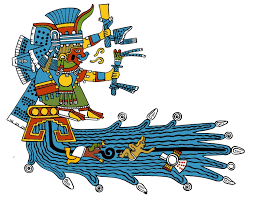
Chalchiuhtlicue is a significant figure in Aztec mythology, known as the goddess of rivers, lakes, and streams. Her name translates to “the one with the jade skirt,” which symbolizes her connection to water and fertility. She is often depicted wearing a skirt made of jade, a precious stone in Mesoamerican cultures, which further emphasizes her association with nature and the life-giving properties of water. Chalchiuhtlicue is also linked to the concept of rebirth and the cycles of nature, as water is essential for sustaining life and is a vital element in the agricultural practices of the Aztecs. The Aztecs revered her as a powerful deity, embodying both the nurturing and destructive aspects of water.
The Role of Chalchiuhtlicue in Aztec Society
In Aztec society, Chalchiuhtlicue played a crucial role in their understanding of the natural world. She was considered a protective figure, overseeing bodies of water and ensuring they remained plentiful and healthy. The Aztecs relied heavily on agriculture, and water was vital for growing crops. Therefore, her blessings were sought to ensure good harvests and a stable food supply. Festivals were often held in her honor, where offerings and sacrifices were made to gain her favor. These ceremonies served not only as a way to appease the goddess but also as a means to strengthen the community’s connection to nature.
Chalchiuhtlicue was also seen as a mother figure, embodying the nurturing aspects of water. She was believed to be the mother of several important deities, including the rain god Tlaloc. This connection further reinforced her role as a provider of life and sustenance. The Aztecs understood the delicate balance between the destructive and constructive forces of water, and Chalchiuhtlicue represented that duality. While she could bring forth life, she could also unleash floods and storms, reminding the people of the power of nature.
Chalchiuhtlicue in Mythology
Chalchiuhtlicue appears in various myths and stories that highlight her significance in the Aztec pantheon. One of the most notable myths involves her relationship with her brother, Huitzilopochtli, the god of war and the sun. According to the myth, Chalchiuhtlicue was responsible for the creation of the first humans, which further emphasizes her role as a life-giver. In this narrative, she is depicted as a nurturing figure who cares for her creations and ensures their survival. This story illustrates the interconnectedness of the deities in Aztec mythology and how they work together to maintain the balance of life.
 Centzon Totochtin
Another important myth involving Chalchiuhtlicue is her role in the Great Flood. In this tale, she is depicted as a protector of humanity, helping to save those who were worthy. The flood serves as a metaphor for cleansing and renewal, and Chalchiuhtlicue’s involvement signifies her importance in the cycle of life and death. The Aztecs believed that water had the power to both destroy and create, and Chalchiuhtlicue embodied this duality. Her presence in these myths highlights the complexities of the natural world and the need for respect and reverence towards it.
Symbols Associated with Chalchiuhtlicue
Chalchiuhtlicue is associated with various symbols that represent her connection to water and fertility. One of the most prominent symbols is the jade stone, which signifies purity and life. The jade skirt she is often depicted wearing is a powerful representation of her role as a goddess of water. In addition to jade, she is frequently associated with aquatic creatures, such as fish and frogs, which are seen as symbols of abundance and fertility. These creatures are often included in rituals and offerings to honor her and seek her blessings.
Another important symbol related to Chalchiuhtlicue is the water lily. This flower grows in freshwater and is often associated with purity and beauty. In Aztec culture, the water lily was seen as a representation of the connection between the earth and water, further emphasizing Chalchiuhtlicue’s role in the natural world. The water lily’s ability to thrive in aquatic environments mirrors Chalchiuhtlicue’s nurturing nature, as she provides life to all that exists in her domain.
 Centeotl
Festivals and Rituals Dedicated to Chalchiuhtlicue
The Aztecs celebrated several festivals dedicated to Chalchiuhtlicue throughout the year. These events were crucial for maintaining the balance between humans and nature. One of the most significant festivals was the Tlacaxipehualiztli, which honored the goddess and involved various rituals to ensure a good water supply and successful harvests. During this festival, participants would offer sacrifices, including food and flowers, to appease Chalchiuhtlicue and seek her blessings for the upcoming agricultural season.
Another important event was the Xiuhcoatl festival, where the Aztecs celebrated the renewal of life through water. This festival involved various ceremonies, including the purification of rivers and lakes, to honor Chalchiuhtlicue and ensure that the waters remained clean and abundant. The rituals performed during these festivals served as a reminder of the importance of water in sustaining life and the need to respect and care for the natural environment.
The Artistic Representation of Chalchiuhtlicue
Chalchiuhtlicue is depicted in various forms of art throughout Aztec culture. Sculptures, pottery, and codices often feature her image, showcasing her importance in the pantheon of deities. Artists portrayed her with flowing water, aquatic plants, and jade ornaments, emphasizing her connection to nature. These artistic representations not only served a decorative purpose but also played a significant role in religious practices and rituals. The imagery of Chalchiuhtlicue was a constant reminder of her presence and power in the lives of the Aztec people.
In many depictions, Chalchiuhtlicue is shown surrounded by symbols of fertility and abundance, such as maize and flowers. This imagery reflects the Aztecs’ deep appreciation for nature and their reliance on water for agricultural success. The artistry surrounding Chalchiuhtlicue showcases the Aztec worldview, where the divine and natural worlds are interconnected, and the presence of the goddess is felt in every aspect of life.
The Legacy of Chalchiuhtlicue
Chalchiuhtlicue’s influence extends beyond ancient Aztec society, as her legacy continues to resonate in modern culture. Many people still honor her through various practices and rituals that celebrate water and its life-giving properties. The reverence for water as a sacred element can be traced back to the teachings of Chalchiuhtlicue, highlighting the importance of sustainability and environmental stewardship. In contemporary discussions about water conservation, her story serves as a reminder of the need to respect and protect this vital resource.
Additionally, Chalchiuhtlicue’s portrayal as a nurturing mother figure has inspired countless stories and artistic representations in modern literature and art. Her character embodies the qualities of compassion and protection, serving as a symbol of hope and renewal. By preserving her legacy, we honor the wisdom of the Aztecs and their deep understanding of the natural world, reminding us of the importance of harmony between humanity and nature.