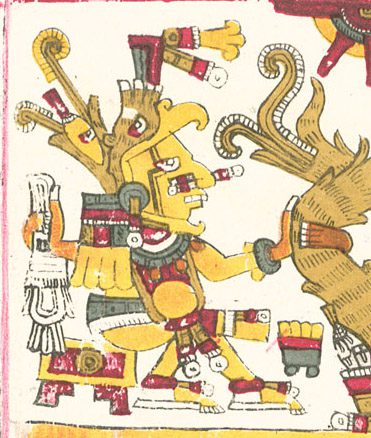
Cinteotl is a significant deity in Aztec mythology, representing the god of maize, or corn. Maize was not just a staple food for the Aztecs; it was also a central part of their culture, religion, and daily life. The importance of maize can be seen in various aspects of Aztec society, from their agricultural practices to their rituals and ceremonies. Cinteotl embodies the life-giving properties of maize and is celebrated for the sustenance he provides to the people. Understanding Cinteotl requires a deeper exploration into the role of maize in the Aztec civilization, the myths surrounding this deity, and the agricultural practices of the time.
The Role of Maize in Aztec Society
Maize was the cornerstone of the Aztec diet, forming the basis of many of their meals. The Aztecs consumed maize in various forms, including tortillas, tamales, and drinks like atole. This versatile grain was not only a food source but also a cultural symbol that represented life and fertility. The importance of maize can be traced back to the agricultural practices of the Aztecs, who developed advanced farming techniques to cultivate it. These techniques included the use of chinampas, or floating gardens, which allowed them to maximize their agricultural output in the challenging environment of the Valley of Mexico.
 Cihuateteo
In addition to its nutritional value, maize held profound religious significance for the Aztecs. They believed that their gods had created humans from maize, which made it sacred. Rituals and ceremonies were often centered around maize, with offerings made to Cinteotl to ensure a bountiful harvest. The cyclical nature of planting and harvesting maize also mirrored the cycles of life and death, further embedding it into the spiritual beliefs of the Aztecs. Thus, Cinteotl was not only a god of maize but also a symbol of life, sustenance, and the connection between the earth and the divine.
Myths Surrounding Cinteotl
Cinteotl is often depicted as a youthful and vibrant figure, embodying the freshness and vitality of maize. In Aztec mythology, he is sometimes associated with the goddess Chicomecoatl, who represents the seven maize plants. Together, they symbolize the duality of maize—its growth and its harvest. Various myths recount the birth of Cinteotl and his journey through the cycles of life. According to one popular myth, Cinteotl was born from the union of the earth and the sky, making him a child of nature. His birth was celebrated with feasts and rituals, emphasizing the importance of maize in sustaining life.
Another significant aspect of Cinteotl’s mythology is his connection to the seasons. As the maize grows, so does Cinteotl’s strength, and as the harvest approaches, he becomes a vital figure in the celebrations that honor the earth’s bounty. The Aztecs held festivals dedicated to Cinteotl, where they would perform dances, offer sacrifices, and share food made from maize. These celebrations were essential for maintaining the favor of Cinteotl, ensuring that he would bless them with a plentiful harvest in the coming year.
 Chimalman
Key Myths Involving Cinteotl
- The Birth of Cinteotl: A tale of his divine origins and connection to nature.
- Cinteotl and Chicomecoatl: The relationship between the god of maize and the goddess of sustenance.
- Seasonal Transformations: How Cinteotl represents the cycle of growth and harvest.
Agricultural Practices of the Aztecs
The Aztecs were skilled farmers, and their agricultural practices were closely linked to their religious beliefs. They understood the importance of timing in planting and harvesting maize, aligning their activities with the seasons and celestial events. The use of chinampas allowed them to cultivate crops efficiently, providing a steady supply of maize for their growing population. These floating gardens were created by building up layers of mud and vegetation in the shallow lakes of the Valley of Mexico, which created fertile land for planting.
In addition to chinampas, the Aztecs practiced crop rotation and companion planting, which helped maintain soil fertility and protect against pests. They also engaged in rituals to honor the earth and Cinteotl before planting. These rituals included offerings of food, flowers, and even human sacrifices to ensure a successful harvest. The agricultural calendar was filled with ceremonies that acknowledged the connection between the people, the land, and their deities, particularly Cinteotl.
 Cihuacoatl
Cinteotl in Aztec Rituals and Festivals
Cinteotl was a central figure in many Aztec rituals and festivals, which celebrated the agricultural cycles and the importance of maize. One of the most notable festivals was the Tlacolotl, held to honor Cinteotl and thank him for the harvest. This festival included various activities such as dancing, singing, and feasting on maize-based dishes. The Aztecs believed that participating in these festivities would strengthen their bond with Cinteotl and ensure his continued favor.
During these festivals, the Aztecs would often perform reenactments of myths involving Cinteotl, illustrating his role in the growth and harvest of maize. These performances served to educate the community about their beliefs and reinforce the importance of maize in their culture. Additionally, the rituals often included the offering of sacrifices, which were seen as a way to appease Cinteotl and secure his blessings for the future. The intertwining of agriculture and religion in these celebrations highlights the profound connection the Aztecs had with their land and their gods.
The Symbolism of Cinteotl
Cinteotl symbolizes not only maize but also the broader themes of life, fertility, and sustenance in Aztec mythology. His character embodies the idea that the earth provides for humanity, and in return, humans must honor and respect the natural world. The cyclical nature of maize growth parallels the cycles of life and death, reinforcing the belief that everything is interconnected. This symbolism is essential to understanding how the Aztecs viewed their relationship with the environment and their deities.
In art and iconography, Cinteotl is often depicted with maize ears and other agricultural elements. His vibrant colors and youthful appearance reflect the vitality of life and the importance of renewal. The imagery associated with Cinteotl serves as a reminder of the blessings that maize brings and the responsibilities that come with it. The Aztecs understood that their survival depended on maintaining a harmonious relationship with the land and honoring the deities who governed it.
The Legacy of Cinteotl
The legacy of Cinteotl extends beyond Aztec mythology and into modern culture. Even today, maize remains a vital crop in many regions of Mexico and Central America, reflecting the deep-rooted significance it holds in the lives of people. Festivals celebrating maize and its harvest continue to be an essential part of local traditions, echoing the ancient rituals that honored Cinteotl. The reverence for maize as a life-giving force persists, reminding us of the importance of this crop in the history and culture of the region.
Furthermore, Cinteotl’s influence can be seen in contemporary art, literature, and even cuisine. Artists often draw inspiration from Aztec mythology, including the figure of Cinteotl, to explore themes of identity, culture, and connection to the land. Traditional dishes made from maize continue to be staples in Mexican cuisine, celebrating the enduring legacy of this essential crop. Through these expressions, Cinteotl’s spirit lives on, reminding us of the vital role that maize plays in sustaining life and culture.
Cinteotl represents a crucial aspect of Aztec mythology, embodying the significance of maize in their culture. From his role in agricultural practices to the myths surrounding his existence, Cinteotl serves as a symbol of life, sustenance, and the interconnectedness of humanity and nature. The legacy of this deity continues to resonate today, reminding us of the importance of honoring the earth and the resources it provides.