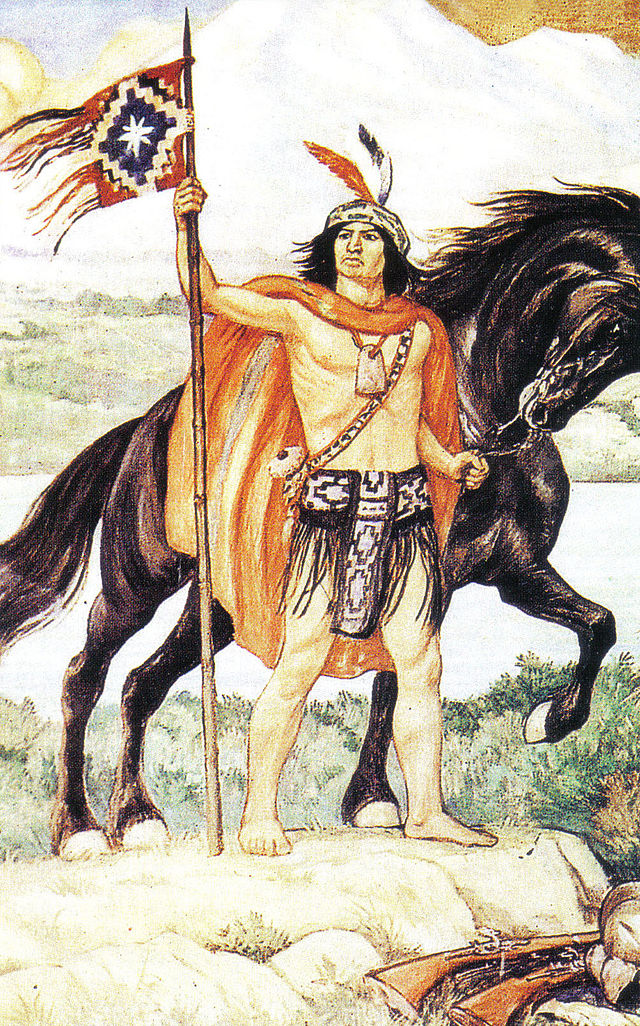
The Huecuvus is a fascinating figure in South American mythology, particularly within the folklore of the indigenous peoples of the Andes. This creature is often described as a spirit or a ghost, embodying the traits of both a protector and a harbinger of misfortune. Huecuvus is said to roam the mountains and valleys, often appearing in dreams or during moments of deep contemplation. The mythology surrounding Huecuvus is rich and varied, with many stories and interpretations depending on the region and the culture of the people telling the tale.
Origins of the Huecuvus
The origins of the Huecuvus can be traced back to ancient Andean cultures. The name itself is derived from the Quechua language, which is spoken by many indigenous groups in Peru and Bolivia. In these cultures, the Huecuvus is often seen as a spirit of the ancestors, representing the connection between the living and the dead. Many believe that the Huecuvus acts as a guide for those who have passed away, helping them navigate the afterlife.
 Huallallo
In some accounts, the Huecuvus is depicted as a benevolent spirit, offering protection and wisdom to those who seek it. People would often pray to the Huecuvus for guidance during difficult times, believing that this spirit could provide answers or insights. This belief highlights the deep spiritual connection that many Andean cultures have with their ancestors and the natural world.
However, there are also darker interpretations of the Huecuvus. In some stories, this spirit is seen as a trickster, causing mischief and chaos in the lives of those who encounter it. These dual aspects of the Huecuvus – as both a protector and a source of misfortune – reflect the complex nature of human experience and the balance of good and evil in the world.
Characteristics of the Huecuvus
The Huecuvus is often described as a tall, shadowy figure, cloaked in darkness. Its appearance can vary greatly depending on the tale being told, with some describing it as having glowing eyes or an eerie presence that instills fear in those who see it. In contrast, others depict the Huecuvus as a more comforting figure, radiating a gentle light and exuding warmth. This duality adds to the intrigue of the Huecuvus, making it a compelling subject in South American mythology.
 Nguruvilu
One of the most notable characteristics of the Huecuvus is its ability to manipulate the natural world. In some stories, the Huecuvus can control the weather, bringing rain to thirsty crops or causing storms to rage. This connection to nature reinforces the idea that the Huecuvus is not merely a spirit of the dead but a powerful force that influences the living world. This characteristic also serves as a reminder of the deep respect that indigenous cultures have for nature and the spirits that inhabit it.
Another intriguing aspect of the Huecuvus is its connection to dreams and visions. Many people believe that the Huecuvus can communicate with the living through their dreams, providing messages or warnings. This belief underscores the importance of dreams in Andean cultures, where they are often seen as a means of connecting with the spiritual realm. The idea that the Huecuvus can enter the dream world speaks to the complexity of the spirit and its role in the lives of those who believe in it.
The Role of Huecuvus in Andean Culture
The Huecuvus plays a significant role in the cultural practices of many Andean communities. It is common for people to honor the Huecuvus through rituals and offerings, seeking to maintain a positive relationship with this spirit. These rituals often involve prayers, songs, and the presentation of food or other gifts as a sign of respect and gratitude. Such practices illustrate the importance of spirituality in daily life and the belief that the Huecuvus can influence one’s fortune and well-being.
 Guinechen
In addition to individual rituals, community celebrations often include references to the Huecuvus. Festivals may feature dances and stories that recount the deeds of this spirit, reinforcing its significance in the cultural narrative. These events serve not only to honor the Huecuvus but also to strengthen community bonds and pass down traditional knowledge to younger generations. The Huecuvus, therefore, acts as a cultural touchstone, linking the past with the present.
Moreover, the Huecuvus is often invoked during times of crisis or uncertainty. In agricultural communities, for example, farmers may seek the Huecuvus’s guidance when facing drought or pestilence. By calling upon this spirit, they express their reliance on the supernatural for support in their daily struggles. This reliance reflects a broader theme in Andean culture: the understanding that the natural and spiritual worlds are interconnected, and that harmony must be maintained to ensure prosperity.
Huecuvus in Modern Context
As society evolves, the figure of the Huecuvus continues to adapt to contemporary contexts. In modern Andean communities, the Huecuvus is often referenced in discussions about cultural identity and heritage. As indigenous peoples strive to preserve their traditions in the face of globalization, the Huecuvus serves as a powerful symbol of resilience and continuity. It reminds people of their roots and the importance of maintaining a connection to their ancestors.
Additionally, the Huecuvus has found a place in the arts, inspiring musicians, writers, and visual artists. Many contemporary artists draw upon the rich imagery and themes associated with the Huecuvus to explore issues of identity, spirituality, and the environment. This artistic engagement not only keeps the legend alive but also invites new interpretations and dialogues around the spirit’s significance in the modern world.
Furthermore, the Huecuvus has been incorporated into educational programs aimed at teaching younger generations about their cultural heritage. Workshops and storytelling sessions often include tales of the Huecuvus, helping children understand the importance of their history and traditions. This educational approach fosters a sense of pride and belonging, ensuring that the legacy of the Huecuvus continues to thrive.
Encounters with the Huecuvus
Many people claim to have had personal encounters with the Huecuvus, often recounting stories that blend fear and fascination. These experiences typically occur in remote areas, such as mountains or forests, where the presence of the spirit is believed to be strongest. Individuals may describe feeling an inexplicable chill in the air or seeing a shadowy figure moving among the trees. Such encounters often leave a lasting impression, shaping one’s beliefs and attitudes toward the supernatural.
Some stories of encounters with the Huecuvus involve moments of profound insight or revelation. People report that during these experiences, they received guidance or answers to pressing questions. These transformative encounters reinforce the idea that the Huecuvus is not merely a ghost but a powerful spirit capable of imparting wisdom. Such narratives highlight the ongoing relevance of the Huecuvus in the lives of those who believe in its presence.
However, not all encounters with the Huecuvus are positive. Some individuals recount experiences of misfortune or distress that they attribute to the spirit’s influence. These tales often serve as cautionary stories, warning others to respect the natural and spiritual worlds. By sharing these experiences, people contribute to the larger narrative surrounding the Huecuvus, illustrating the dual nature of this enigmatic figure.
Legends and Stories of the Huecuvus
Throughout South America, numerous legends and stories feature the Huecuvus, each offering unique insights into its character and significance. One popular legend tells of a traveler who became lost in the mountains. Desperate for guidance, he called upon the Huecuvus for help. In response, the spirit appeared to him, illuminating the path back to safety. This story emphasizes the protective nature of the Huecuvus, reinforcing the belief that it watches over those who seek its assistance.
Another well-known tale involves a farmer who ignored the warnings of the Huecuvus regarding an impending storm. Despite the spirit’s efforts to communicate, the farmer dismissed the signs and continued his work. When the storm finally struck, he lost his crops and faced significant hardship. This cautionary tale serves as a reminder of the importance of heeding spiritual guidance and respecting the natural world.
- Protective Encounters: Stories of individuals who received help from the Huecuvus during times of crisis.
- Cautionary Tales: Legends warning against ignoring the spirit’s guidance.
- Transformative Experiences: Accounts of personal growth and insight gained through encounters with the Huecuvus.
These legends not only entertain but also serve to educate and inform. They encapsulate the values and beliefs of Andean cultures, illustrating the importance of community, respect for nature, and the interconnectedness of the spiritual and physical realms. Through storytelling, the legacy of the Huecuvus continues to be passed down, ensuring that its influence endures.
As a central figure in South American mythology, the Huecuvus embodies the rich cultural heritage of the Andean peoples. Its dual nature as both a protector and a trickster reflects the complexities of human experience, while its connections to dreams and the natural world highlight the deep spirituality embedded in these cultures. Through rituals, stories, and personal encounters, the Huecuvus remains a vital part of contemporary Andean life, serving as a reminder of the enduring power of mythology and the importance of maintaining connections to one’s roots.