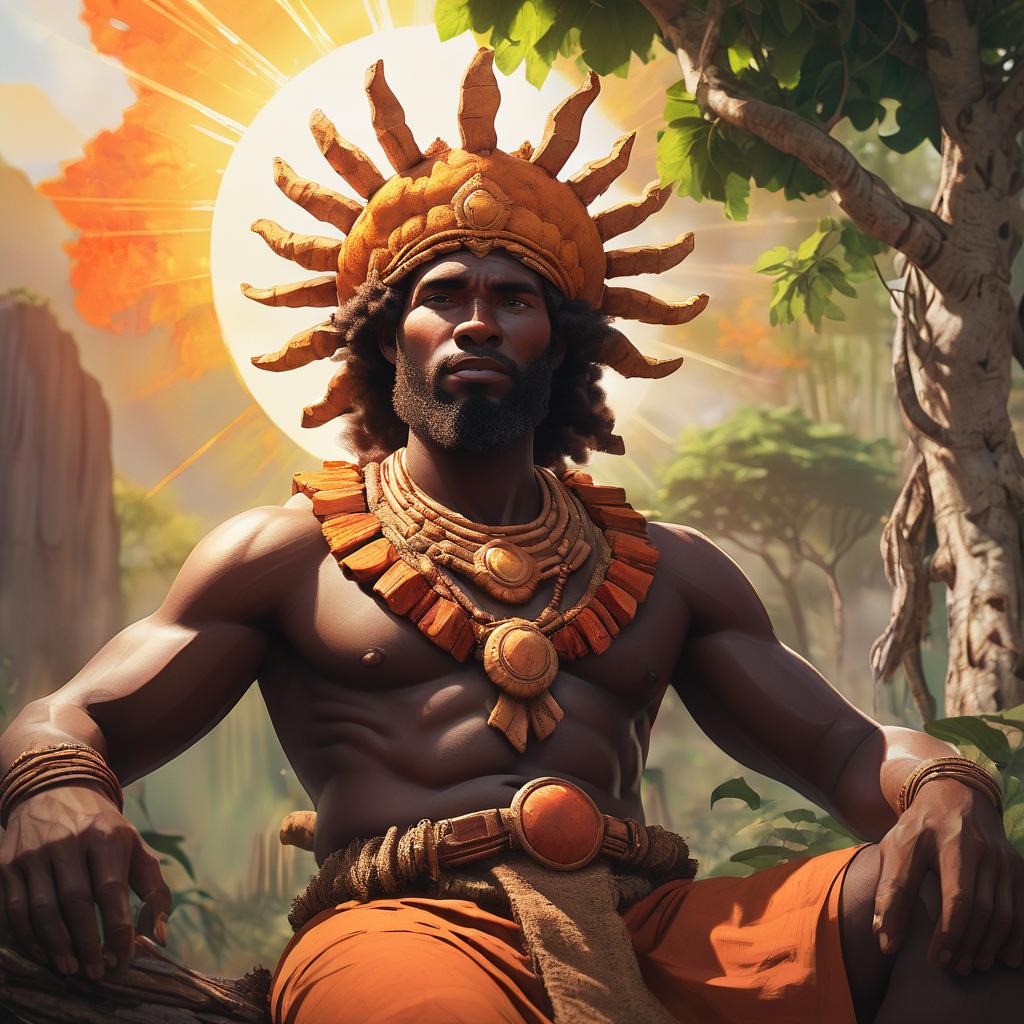
Ruwa is a significant figure in African mythology, particularly within the cultural narratives of various tribes in Southern Africa. This deity is often associated with the creation of life and the natural world. Ruwa is believed to be a benevolent spirit who plays a crucial role in the cycles of nature, including growth and fertility. In many stories, Ruwa is depicted as a guardian of the land, providing for the people and ensuring that they live in harmony with their environment. This connection to the earth is deeply rooted in the beliefs of the communities that revere Ruwa, making the deity a symbol of sustenance and protection.
The Origin of Ruwa
The tales of Ruwa’s origin vary among different cultures, but they often share common themes. In some versions, Ruwa is born from the first light that broke the darkness of the world. This light symbolizes knowledge and life, which Ruwa brings to the earth. As a creator figure, Ruwa is often associated with the formation of rivers, mountains, and forests. Each aspect of nature is thought to reflect Ruwa’s spirit, making the land a living embodiment of this deity.
 Ruhanga
Additionally, Ruwa is sometimes described as a child of the sky and the earth, representing the balance between these two fundamental elements. This balance is crucial for the survival of all living things, and it emphasizes the interconnectedness of life. The stories of Ruwa often illustrate the importance of respecting nature, as this respect is seen as a way to honor the deity and ensure continued blessings.
Ruwa’s Role in Agriculture
Agriculture is a vital part of life for many African communities, and Ruwa is frequently invoked in farming practices. The deity is believed to influence the growth of crops and the health of livestock. Farmers often perform rituals to seek Ruwa’s favor before planting seeds or during the harvest. These rituals may include offerings of food, prayers, and dances that celebrate the bounty of the earth.
In many cultures, it is said that Ruwa watches over the fields and ensures that the rains come at the right time. The seasonal cycles of planting and harvesting are closely tied to the worship of Ruwa, as communities rely on the land for sustenance. When the harvest is plentiful, it is seen as a sign of Ruwa’s blessings, while poor yields are often attributed to a lack of respect for the deity and the natural world.
 Rugaba
Rituals and Offerings
- Prayers for rain
- Offerings of fruits and grains
- Dances to celebrate the harvest
- Ceremonies to honor the earth
These rituals are not only a means of seeking Ruwa’s assistance but also serve to strengthen community bonds. By coming together to honor Ruwa, people reaffirm their shared values and commitment to living in harmony with nature. This collective participation is essential for fostering a sense of unity and purpose within the community.
Ruwa and the Cycle of Life
Ruwa is also associated with the broader cycle of life. This cycle includes birth, growth, death, and rebirth, all of which are essential elements of existence. Ruwa’s influence can be seen in the changing seasons, where life flourishes in spring and summer, and then rests in autumn and winter. The cyclical nature of life is a reminder of the importance of renewal and regeneration.
 Raluvhimba
In many stories, Ruwa is depicted as a nurturing figure who cares for all living beings. This nurturing aspect emphasizes the idea that all creatures are interconnected and rely on each other for survival. The stories often highlight the importance of compassion and stewardship towards the earth and its inhabitants. By respecting the natural world, communities believe they are honoring Ruwa and ensuring a healthy environment for future generations.
Ruwa in Folklore and Stories
The folklore surrounding Ruwa is rich and diverse, with numerous tales passed down through generations. These stories often serve as moral lessons, teaching the values of respect, cooperation, and harmony with nature. One popular story involves Ruwa transforming into a majestic tree to protect the animals of the forest. In this tale, Ruwa sacrifices its form to provide shelter and sustenance for the creatures, illustrating the importance of selflessness and care for others.
Another common theme in Ruwa’s stories is the challenge of overcoming adversity. In these tales, Ruwa helps communities face natural disasters, such as droughts or floods. The deity often provides guidance and support, teaching people how to adapt and thrive despite difficult circumstances. These narratives not only celebrate Ruwa’s power but also empower communities to take action and find solutions to their problems.
The Symbolism of Ruwa
Ruwa is rich in symbolism, representing various aspects of life and the environment. The deity embodies the principles of fertility, growth, and renewal, making Ruwa a central figure in agricultural societies. The symbolism of Ruwa extends beyond the physical realm, as it also encompasses the spiritual connection between people and nature. This connection is vital for maintaining a healthy balance in the world.
In art and cultural expressions, Ruwa is often depicted with natural elements such as plants, animals, and water. These representations serve as reminders of the deity’s role in creation and the importance of respecting the environment. The imagery associated with Ruwa often evokes a sense of peace and harmony, encouraging individuals to reflect on their relationship with the world around them.
Common Symbols of Ruwa
- Water: Represents life and sustenance.
- Trees: Symbolize growth and shelter.
- Animals: Reflect the interconnectedness of all living beings.
- Seeds: Signify potential and new beginnings.
These symbols are not only integral to the worship of Ruwa but also serve as educational tools for younger generations. By learning about these symbols, children can develop a deeper understanding of their culture and the values that underpin their community.
Modern Interpretations of Ruwa
In contemporary society, the figure of Ruwa continues to hold significance, especially as people seek to reconnect with their cultural roots. Modern interpretations of Ruwa often blend traditional beliefs with contemporary environmental concerns. As the world faces challenges such as climate change and habitat destruction, many individuals turn to Ruwa as a source of inspiration for sustainable living.
Environmental movements in Africa increasingly draw upon the teachings of Ruwa, advocating for practices that honor the earth. This connection to traditional beliefs provides a framework for understanding the importance of conservation and responsible stewardship of natural resources. By reviving these cultural narratives, communities can foster a sense of pride and responsibility towards the environment.
The Legacy of Ruwa
The legacy of Ruwa is evident in the ongoing cultural practices and beliefs of various African communities. As a symbol of creation, fertility, and harmony, Ruwa represents the enduring connection between people and the land. This connection is vital for maintaining cultural identity and fostering resilience in the face of change.
Efforts to preserve and promote the stories of Ruwa are crucial for passing down this rich heritage to future generations. Cultural festivals, storytelling events, and educational programs help to keep the spirit of Ruwa alive. By sharing these narratives, communities can ensure that the lessons of respect, compassion, and stewardship continue to resonate.
Ruwa is a multifaceted figure in African mythology, embodying the values and beliefs of various cultures. Through stories, rituals, and symbolism, Ruwa serves as a reminder of the importance of living in harmony with nature and respecting the interconnectedness of all life. As communities continue to honor Ruwa, they also reaffirm their commitment to preserving the environment and their cultural heritage.