
Benzaiten is a prominent figure in Japanese mythology, known as the goddess of everything that flows, such as water, music, and knowledge. She is often depicted as a beautiful woman playing a biwa, a traditional Japanese string instrument. Benzaiten is a unique deity because she has her origins in the Indian goddess Saraswati, who is associated with knowledge and the arts. Over time, as Buddhism spread to Japan, Benzaiten evolved and absorbed various aspects of other cultural beliefs, making her a multifaceted goddess in the Shinto and Buddhist traditions.
The Origins of Benzaiten
The origins of Benzaiten can be traced back to ancient India, where she was known as Saraswati. In Hindu mythology, Saraswati is the goddess of wisdom, music, and the arts. She is often portrayed riding a swan or seated on a lotus flower, symbolizing purity and enlightenment. As Buddhism spread to Japan from India through China, the figure of Saraswati was adapted into Japanese culture and became known as Benzaiten. This transformation highlights how deities can evolve and take on new meanings as they are integrated into different cultures.
 Baku
BakuIn Japanese folklore, Benzaiten is associated with the seven lucky gods (Shichifukujin), who are believed to bring good fortune and prosperity. Among these gods, Benzaiten stands out as the only female deity, emphasizing her importance in a predominantly male pantheon. The blending of her Indian roots with Japanese beliefs has allowed her to become a symbol of creativity, eloquence, and the flow of life itself.
Benzaiten in Shinto and Buddhism
Benzaiten’s presence in both Shinto and Buddhist traditions demonstrates her versatility and significance in Japanese spirituality. In Shinto, she is often worshipped as a goddess of water, which is crucial for agriculture and daily life. Water is considered a sacred element, and Benzaiten is revered for her ability to control it. Many Shinto shrines dedicated to her can be found near rivers and lakes, where devotees come to pray for bountiful harvests and protection from natural disasters.
In Buddhism, Benzaiten is celebrated as a goddess of music and knowledge. Her association with the biwa reflects her connection to the arts, particularly music and poetry. Many Buddhist practitioners seek her blessings to enhance their artistic abilities and gain wisdom. The duality of her worship in both Shinto and Buddhism illustrates how religious practices in Japan often intertwine, allowing for a rich tapestry of beliefs and rituals.
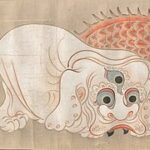 Bakemono
Iconography and Symbols
Benzaiten is typically depicted in a variety of artistic forms, each representing different aspects of her character. One of the most common images shows her playing a biwa, a traditional Japanese lute. This representation emphasizes her connection to music and the arts. The biwa is not just an instrument; it symbolizes harmony and the flow of creativity. In some depictions, she is surrounded by water, which serves as a reminder of her dominion over this vital element.
Another significant symbol associated with Benzaiten is the dragon. In Japanese mythology, dragons are often seen as water deities, representing power and protection. Benzaiten is sometimes shown riding a dragon or accompanied by one, highlighting her control over water and its life-giving properties. This imagery reinforces her role as a protector and benefactor of those who seek her blessings.
Common Symbols Associated with Benzaiten
- Biwa – The musical instrument representing creativity.
- Dragon – Symbolizing power and water.
- Lotus Flower – Representing purity and enlightenment.
- Water – The element she governs, essential for life.
Festivals and Worship
Benzaiten is celebrated through various festivals and rituals across Japan. One of the most famous is the Benzaiten Matsuri, held in her honor at numerous shrines. During these festivals, people engage in traditional music and dance performances, showcasing the artistic talents that Benzaiten is believed to inspire. Offerings of food, sake, and flowers are made to her, symbolizing gratitude and the desire for her blessings in life.
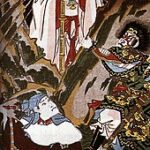 Amatsu-kami
Many devotees visit Benzaiten shrines to pray for success in their artistic endeavors, whether in music, writing, or other forms of creativity. The act of playing the biwa during these rituals not only pays homage to the goddess but also serves as a form of meditation, allowing practitioners to connect with her spirit. These practices reflect the deep respect and reverence that the Japanese people have for Benzaiten as a source of inspiration and protection.
Benzaiten’s Influence on Japanese Culture
Benzaiten’s influence extends beyond religious practices; she has significantly impacted Japanese culture, particularly in the realms of art, literature, and music. Her association with the arts has led to numerous artistic representations, from traditional paintings to contemporary interpretations. Many artists draw inspiration from her figure, using her image to convey themes of creativity and enlightenment.
In literature, Benzaiten often appears as a muse for poets and writers. Her presence is seen as a source of inspiration, encouraging individuals to express themselves creatively. The stories and poems that feature Benzaiten often highlight her wisdom and the transformative power of art, emphasizing the importance of creativity in human life.
Benzaiten in Modern Times
In modern Japan, Benzaiten continues to be a beloved figure, with many people visiting her shrines to seek her blessings. The rise of pop culture has also led to her portrayal in various forms of media, including anime, manga, and video games. These representations often highlight her beauty and artistic talents, making her a relatable and inspirational character for younger generations.
Furthermore, Benzaiten’s message of creativity and the importance of flow resonates in today’s fast-paced world. Many individuals look to her as a symbol of balance and harmony, reminding them to embrace their creative instincts and pursue their passions. This enduring legacy illustrates how ancient deities can remain relevant in contemporary society.
Benzaiten stands as a powerful symbol of creativity, knowledge, and the vital flow of life. Her rich history, multifaceted character, and enduring influence on Japanese culture make her an essential figure in the pantheon of Japanese mythology. As both a goddess of water and the arts, Benzaiten inspires countless individuals to seek balance, express themselves creatively, and appreciate the beauty of life.