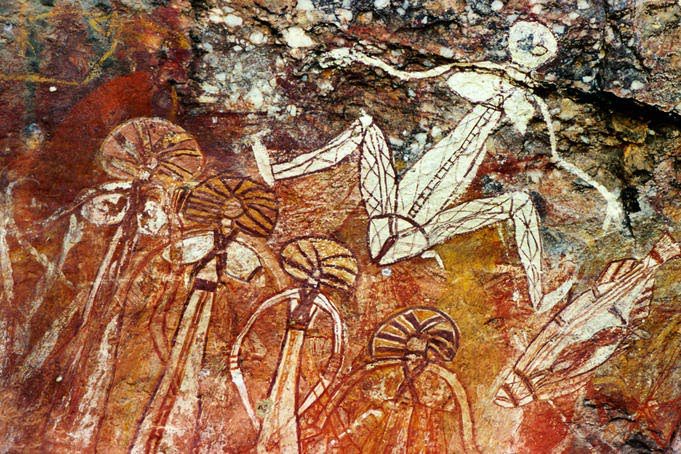
Wuraka is a significant figure in Australian Aboriginal mythology, particularly within the stories of the Yolŋu people of Northeast Arnhem Land. This mythology is rich with vibrant tales that explain the origins of the world, the creation of life, and the interconnectedness of nature and humanity. Wuraka, often depicted as a powerful being, embodies many of these themes and serves as a vital link between the spiritual and physical realms. Through the stories of Wuraka, we can explore the deep cultural heritage of the Aboriginal people and gain insights into their understanding of the world.
The Role of Wuraka in Aboriginal Mythology
In Aboriginal mythology, Wuraka is often regarded as a creator figure. This role is not just about creation in the physical sense but also involves the shaping of laws, customs, and relationships among people and the environment. Wuraka’s stories often highlight the importance of balance and harmony within the ecosystem. The Yolŋu people believe that Wuraka has the power to influence natural events, such as weather patterns and animal behavior, thus emphasizing the interconnectedness of all living things.
 Wuluwait
Wuraka is also associated with the concept of Dreamtime, which is a foundational aspect of Aboriginal spirituality. The Dreamtime refers to the time of creation when ancestral beings roamed the earth, shaping the landscape and establishing the laws of life. Wuraka’s actions during this time are seen as foundational to the existence of the Yolŋu people and their way of life. The stories passed down through generations serve to educate younger members of the community about their history and responsibilities towards the land.
Stories and Legends of Wuraka
The stories of Wuraka vary among different Aboriginal groups, but they often share common themes. One prominent tale involves Wuraka creating the first humans from the earth and giving them the knowledge necessary to survive. This act is seen as a demonstration of Wuraka’s generosity and care for humanity. In many versions of the story, Wuraka teaches the first people how to hunt, gather food, and live in harmony with nature. These lessons are considered sacred and are integral to the Yolŋu way of life.
 Widjingara
Another significant aspect of Wuraka’s mythology involves the creation of various animals and plants. According to some stories, Wuraka shaped the animals to fit their environments perfectly, ensuring that each species could thrive. This act of creation is often accompanied by lessons about respect for nature and the importance of maintaining balance in the ecosystem. The Yolŋu people see themselves as caretakers of the land, a belief that is deeply rooted in the teachings of Wuraka.
Key Themes in Wuraka’s Stories
- Creation: Wuraka’s role as a creator is central to many stories.
- Balance: The importance of maintaining balance in nature is a recurring theme.
- Respect for Nature: Wuraka teaches respect for all living things.
- Interconnectedness: The stories highlight the connections between humans, animals, and the environment.
The Cultural Significance of Wuraka
Wuraka holds a special place in the cultural identity of the Yolŋu people. The stories of Wuraka are not merely myths; they are essential components of the Yolŋu worldview. They inform social norms, laws, and the way individuals relate to each other and the environment. The teachings of Wuraka guide the Yolŋu in their daily lives, influencing their decisions and actions. Respect for the land and all its inhabitants is a direct reflection of Wuraka’s teachings, which is why these stories are passed down with such care.
Moreover, Wuraka’s influence extends beyond the stories themselves. Art, dance, and music often reflect themes related to Wuraka. For instance, traditional Yolŋu art may depict scenes from Wuraka’s stories, serving as a visual representation of their cultural heritage. These artistic expressions help to keep the stories alive and relevant for future generations. Dance and song are also vital in ceremonies that honor Wuraka, reinforcing the community’s connection to their mythology and traditions.
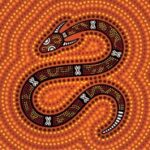 Wawalag
Wuraka and the Yolŋu Connection to Land
The relationship between Wuraka and the Yolŋu people is deeply tied to their connection with the land. Wuraka’s stories emphasize the importance of caring for the earth, which is seen as a living entity deserving of respect. The Yolŋu believe that the land is imbued with the spirit of Wuraka, making it sacred. This belief shapes their practices, such as sustainable hunting and gathering, ensuring that they do not exploit the resources around them.
In many Yolŋu ceremonies, the land is honored as a reflection of Wuraka’s presence. The community comes together to celebrate their connection to the earth, often through rituals that acknowledge Wuraka’s role in their lives. These gatherings reinforce the idea that the Yolŋu are not separate from the land but are an integral part of it. By participating in these ceremonies, they reaffirm their commitment to protecting and preserving their environment for future generations.
The Modern Interpretation of Wuraka
In contemporary society, the stories of Wuraka continue to hold significance. Many Aboriginal people are working to revitalize their cultural practices and beliefs, including the teachings of Wuraka. This revival is crucial for preserving their identity and promoting understanding among wider Australian society. By sharing the stories of Wuraka, Aboriginal people aim to educate others about their rich cultural heritage and the importance of respecting the land.
Moreover, the modern interpretation of Wuraka often includes a focus on environmental conservation. As issues like climate change and habitat destruction become more pressing, the teachings of Wuraka about balance and respect for nature resonate even more strongly. Aboriginal communities are increasingly recognized for their knowledge of sustainable practices, which can provide valuable insights for contemporary environmental challenges. Wuraka’s lessons about interconnectedness are relevant not only for the Yolŋu but for everyone who shares this planet.
Wuraka remains a vital part of Australian Aboriginal mythology and the cultural identity of the Yolŋu people. Through the stories of Wuraka, we can learn about the deep connections between people, nature, and spirituality that characterize Aboriginal culture. The teachings of Wuraka continue to inspire and guide the Yolŋu people, reminding them of their responsibilities to the land and to each other. As we move forward in a rapidly changing world, the lessons of Wuraka can offer valuable perspectives on living in harmony with nature and respecting the interconnectedness of all life.