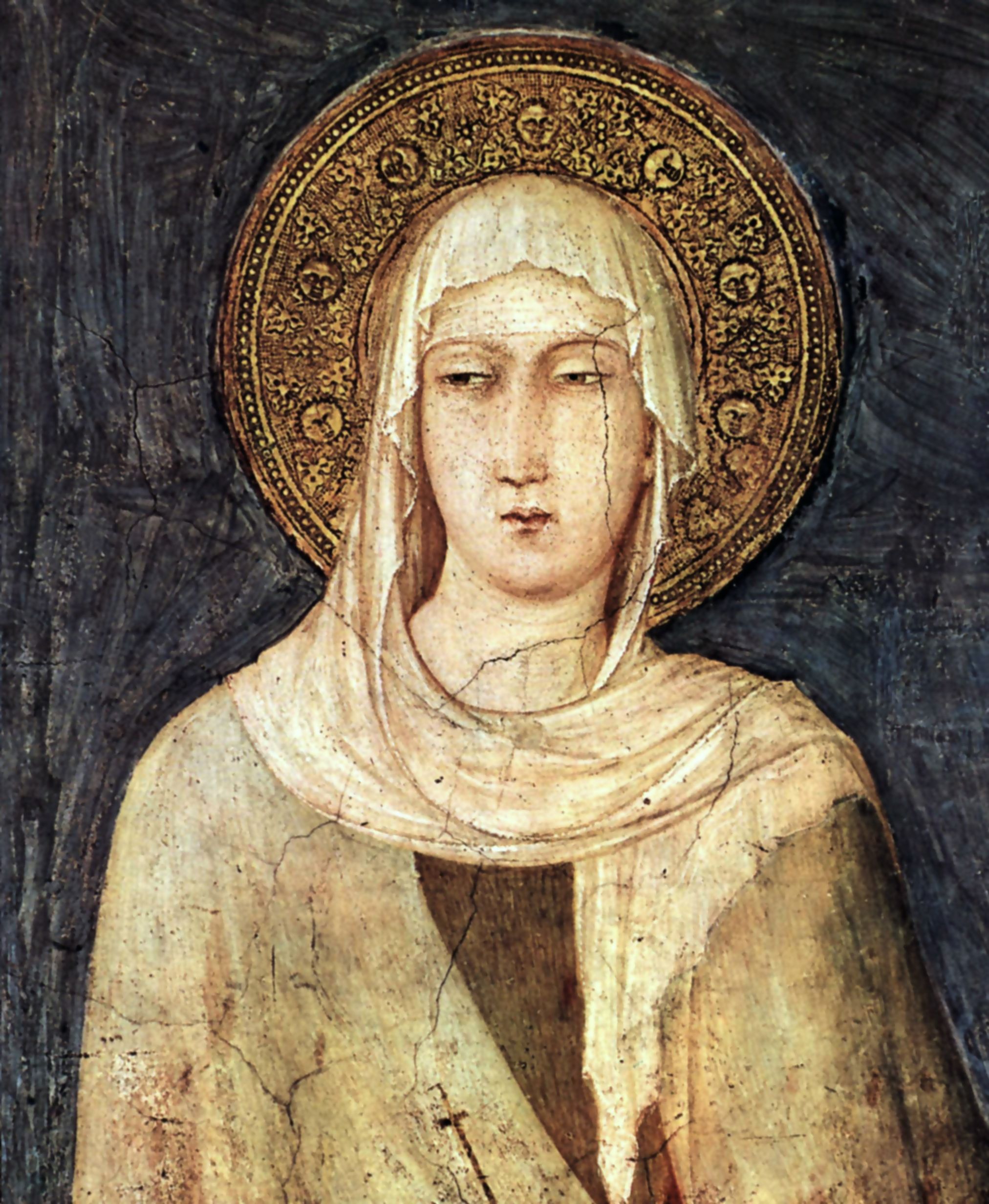
St. Clare of Assisi is a significant figure in Christian mythology, particularly within the Franciscan tradition. Born in 1194 in Assisi, Italy, Clare was the daughter of a wealthy family. However, she felt a calling to a life of poverty and service from a young age. This desire led her to become one of the first female followers of St. Francis of Assisi, whose teachings and lifestyle deeply inspired her. Clare’s commitment to living a life of simplicity and dedication to God established her as a pivotal character in the history of the Church. Her journey is a testament to the power of faith and the impact one person can have on the world around them.
The Early Life of St. Clare
Clare’s early life was marked by the privileges of her noble status. She grew up in a large house surrounded by wealth and comfort. However, despite her family’s affluence, Clare felt a profound emptiness that material possessions could not fill. From a young age, she was drawn to the teachings of Jesus and the idea of living a life of humility and service. This inner conflict between her wealthy upbringing and her spiritual aspirations set the stage for her later decisions. Clare’s heart longed for something deeper, something that would provide her with true happiness and fulfillment.
 St. Christopher
At the age of 18, Clare attended a Palm Sunday service where she first heard St. Francis preach. His words resonated with her deeply, awakening a desire to follow his example. She was particularly moved by his emphasis on poverty and the importance of living a life devoted to God. This moment marked a turning point in Clare’s life, leading her to make a bold decision that would change the course of her life forever. She decided to leave her home and join St. Francis and his followers, a choice that would challenge societal norms and expectations of women during that time.
Clare’s Decision to Follow St. Francis
Clare’s decision to leave her luxurious life behind was not taken lightly. It involved a significant sacrifice, as she would have to abandon her family’s wealth and status. However, her desire to serve God and live a life of poverty outweighed her fear of losing her comfortable lifestyle. With great determination, she secretly fled her home one night and made her way to the Portiuncula, a small church outside of Assisi where St. Francis and his followers lived. This courageous act of leaving everything behind demonstrated her unwavering commitment to her faith and her desire to live a life dedicated to God.
Upon arriving at the Portiuncula, Clare was welcomed by St. Francis, who recognized her sincerity and devotion. He took her under his wing and began to guide her in her spiritual journey. Clare’s decision to join the Franciscan movement was groundbreaking, as it paved the way for other women to follow a similar path. Her dedication to living a life of poverty and service inspired many others to consider the possibility of a religious life, even in a time when such choices were rare for women.
 St. Christina Of Bolsena
The Formation of the Order of Poor Ladies
Clare’s commitment to her new way of life quickly attracted the attention of other women who were inspired by her example. They sought to join her in her mission of living a life of poverty and devotion to God. In 1212, Clare established the Order of Poor Ladies, which later became known as the Clarisses. This order was unique because it focused on a life of contemplation, prayer, and service, emphasizing the importance of community among women in the Church. Clare’s leadership was instrumental in shaping the values and practices of the order, which aimed to live out the teachings of Christ in a radical way.
The Order of Poor Ladies gained recognition and support from St. Francis himself, who provided guidance and encouragement to Clare and her followers. The rule of life that Clare established emphasized the principles of poverty, simplicity, and charity. This commitment to living a life of service resonated with many women of the time, leading to the rapid growth of the order. Clare’s vision of a community of women dedicated to God was becoming a reality, and she became a mentor and spiritual leader for those who joined her.
Clare’s Spiritual Journey
Throughout her life, Clare faced numerous challenges and obstacles in her spiritual journey. One of the most significant challenges was the opposition from her family, who were deeply concerned about her choice to abandon her privileged life. They tried to persuade her to return home, fearing for her safety and well-being. However, Clare remained steadfast in her commitment to her faith and her new way of life. Her resilience and determination were remarkable, as she continued to trust in God’s plan for her life, despite the pressures from her family.
 Jesus
JesusClare’s spiritual journey was also marked by her deep prayer life and her devotion to the Eucharist. She found strength and solace in her relationship with God, often spending long hours in prayer and contemplation. This deep connection with God fueled her desire to serve others and live a life of compassion. Clare’s spirituality was characterized by her unwavering faith, which inspired those around her to deepen their own relationship with God.
Miracles and Legacy
St. Clare’s life was filled with numerous miracles that further solidified her status as a revered saint in the Christian tradition. One of the most famous miracles attributed to her was the story of her protection of the convent during an attack by invaders. According to tradition, Clare held up the Blessed Sacrament and prayed for God’s protection. Miraculously, the invaders were struck with fear and fled, leaving the convent unharmed. This event demonstrated Clare’s profound faith and her ability to intercede on behalf of others through her connection with God.
Clare’s legacy extends beyond her miraculous acts. She is remembered for her commitment to a life of poverty and service, which inspired countless women to follow in her footsteps. The Order of Poor Ladies, which she founded, continues to exist today, providing a space for women to live a life dedicated to prayer and service. Clare’s teachings on humility, simplicity, and compassion remain relevant, reminding us of the importance of serving others and living a life of faith.
Feast Day and Canonization
St. Clare’s life and contributions to the Church were recognized long after her death. She passed away on August 11, 1253, and was canonized by Pope Alexander IV just two years later, in 1255. Her feast day is celebrated on the same date, August 11, and is a time for reflection on her life and teachings. On this day, many followers of Clare gather to honor her memory and seek her intercession in their lives. The celebration of her feast day serves as a reminder of her enduring legacy and the impact she has had on the Church and the world.
Clare’s canonization was a significant moment in the history of the Church, as it recognized the importance of women’s contributions to the faith. Her life serves as an example of how one person’s commitment to God can inspire others and lead to lasting change. The continued veneration of St. Clare highlights the role of women in the Church and the importance of their spiritual journeys.
St. Clare’s Influence on Modern Spirituality
St. Clare’s teachings and example continue to resonate with people today, particularly in the realm of modern spirituality. Her emphasis on poverty and simplicity serves as a countercultural message in a world often dominated by materialism and self-interest. Many individuals find inspiration in Clare’s commitment to living a life of service, encouraging them to seek ways to give back to their communities and support those in need. Her legacy reminds us of the importance of compassion and the transformative power of love.
Furthermore, Clare’s spirituality emphasizes the significance of prayer and contemplation in our lives. In a fast-paced world filled with distractions, her example encourages individuals to take time for reflection and connection with God. Many spiritual practices today, such as meditation and mindfulness, align with Clare’s teachings on the importance of being present and attentive to the divine. Her life serves as a reminder that true fulfillment comes from a deep relationship with God and a commitment to serving others.
St. Clare in Art and Literature
St. Clare’s life and legacy have inspired countless works of art and literature throughout history. Artists have depicted her in various forms, capturing her spirit and devotion to God. Many paintings and sculptures portray Clare holding the Blessed Sacrament or surrounded by her followers, emphasizing her role as a leader and protector. These artistic representations serve as a visual reminder of her contributions to the Church and her commitment to a life of faith.
In literature, Clare’s story has been told in various biographies and spiritual writings. Her life serves as an inspiration for many authors who explore themes of faith, sacrifice, and the pursuit of a deeper relationship with God. Clare’s teachings on humility and service resonate with readers, encouraging them to reflect on their own spiritual journeys and the ways in which they can serve others in their communities. The continued interest in Clare’s life in both art and literature highlights her enduring influence on Christian spirituality.
Clare’s Role in Ecumenism
In recent years, St. Clare’s legacy has also found a place in the movement for ecumenism, which seeks to promote unity among different Christian denominations. Her commitment to a life of service and her dedication to prayer resonate with many Christians, regardless of their denominational backgrounds. Clare’s example of humility and love for others serves as a bridge that connects various Christian traditions, reminding us of our shared values and beliefs.
Many ecumenical gatherings and events honor St. Clare, recognizing her as a symbol of unity and reconciliation. Her life encourages dialogue and collaboration among different Christian communities, fostering a spirit of understanding and respect. As we continue to explore the legacy of St. Clare, we are reminded of the importance of coming together in faith and working towards a common goal of love and service.
St. Clare of Assisi remains a powerful figure in Christian mythology, embodying the ideals of faith, humility, and service. Her life story continues to inspire countless individuals, encouraging them to seek a deeper relationship with God and to live a life dedicated to helping others. As we reflect on her teachings and example, we are reminded of the transformative power of faith and the impact one person can have on the world. St. Clare’s legacy is a testament to the enduring nature of love and service in the Christian tradition.