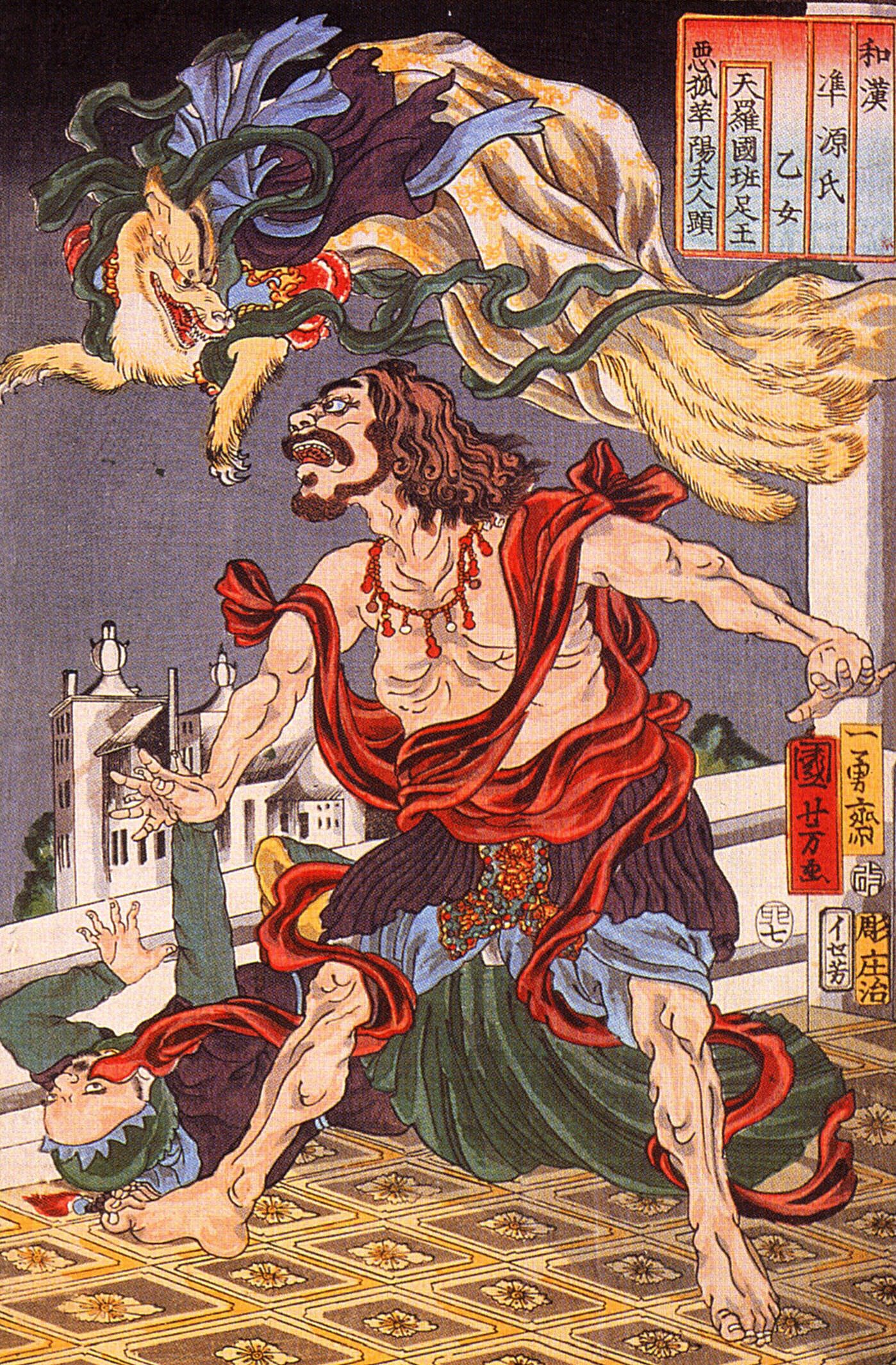
The Kitsune is a fascinating creature from Japanese mythology that has captured the imagination of many. Known as the fox spirit, the Kitsune is often depicted as a magical being with the ability to shape-shift into a beautiful woman or a wise old man. In Japan, foxes have long been associated with the rice deity Inari, which has contributed to the Kitsune’s status as a revered creature in the Shinto religion. The Kitsune is not just a simple animal; it represents a blend of nature, spirituality, and folklore that has evolved over centuries.
The Origin of Kitsune in Japanese Culture
The origins of the Kitsune can be traced back to ancient Japanese folklore, where foxes were believed to possess supernatural abilities. In the early texts, foxes were considered to be messengers of the gods, especially Inari. This connection to the divine established the Kitsune as a creature of both good and evil. The duality of the Kitsune’s nature is a recurring theme in Japanese mythology, where it can either protect or deceive humans.
 Kawaya-no-kami
As time progressed, the perception of the Kitsune evolved. In the Heian period (794-1185), tales of the Kitsune became more popular, and it began to be associated with love and romance. Stories often depicted Kitsune transforming into beautiful women who would seduce men, leading to complex relationships that often ended in tragedy. These narratives added depth to the Kitsune’s character, showcasing its ability to embody both beauty and danger.
In Japanese mythology, there are several types of Kitsune, each with its unique traits and characteristics. The two primary categories are the Zenko and the Yako. The Zenko are the benevolent fox spirits that serve the deity Inari. They are often depicted as white or golden foxes and are associated with good fortune and protection. People often pray to Zenko for blessings in their lives, particularly in matters of agriculture and prosperity.
On the other hand, the Yako are the mischievous and sometimes malevolent fox spirits. They are typically portrayed as ordinary red foxes and are known for their cunning nature. The Yako often play tricks on humans and can cause chaos if they are not respected. This duality of the Kitsune reflects the complexities of nature itself, where good and evil coexist.
 Kashiwa-no-kami
Other Variations
- Hōkō: This is a type of Kitsune that is believed to have the ability to control fire.
- Kitsune-no-Kama: These are the Kitsune that are known for their ability to produce magical rice.
- Yūrei-Kitsune: This variation is associated with the spirits of deceased foxes and is often linked to the underworld.
Each type of Kitsune has its own stories and myths, which contribute to the rich tapestry of Japanese folklore. The diversity in the characteristics of the Kitsune showcases how this creature has been integrated into various aspects of Japanese culture, from literature to art.
Kitsune in Literature and Art
The Kitsune has been a prominent figure in Japanese literature for centuries. In classical literature, such as the Konjaku Monogatari (Tales of Times Now Past), Kitsune are depicted in stories that explore themes of love, betrayal, and the supernatural. These tales often serve as moral lessons, highlighting the consequences of human actions and the unpredictability of the Kitsune.
 Kasha
KashaIn modern literature, the Kitsune continues to inspire authors and poets. The creature is often portrayed as a symbol of wisdom and cunning, reflecting the complexities of human emotions and relationships. Many contemporary works explore the Kitsune’s ability to shape-shift, using it as a metaphor for identity and transformation.
Kitsune in Visual Arts
- Paintings: Traditional Japanese paintings often feature Kitsune in various forms, showcasing their beauty and mystique.
- Woodblock Prints: The Ukiyo-e style of woodblock printing frequently depicted Kitsune, highlighting their role in folklore.
- Contemporary Art: Modern artists continue to explore the Kitsune theme, using it as a source of inspiration for their works.
The representation of Kitsune in art reflects its significance in Japanese culture. Artists often emphasize the creature’s ethereal qualities, capturing its dual nature through vibrant colors and intricate details. This artistic portrayal helps to keep the mythology of the Kitsune alive and relevant in contemporary society.
Kitsune in Popular Culture
The influence of the Kitsune extends beyond traditional folklore and literature into modern popular culture. In recent years, the Kitsune has become a beloved character in anime, manga, and video games. Many popular series feature Kitsune as main characters or supporting roles, showcasing their magical abilities and complex personalities.
In anime, Kitsune characters often embody the traits associated with their folklore counterparts. They are depicted as clever, playful, and sometimes mischievous. Series like Naruto feature the character Kitsune Naruto, who possesses the spirit of a powerful fox, adding layers to his character development. This portrayal resonates with audiences, making the Kitsune a relatable and intriguing figure.
Kitsune in Video Games
- Okami: In this popular game, players control Amaterasu, a sun goddess who takes the form of a wolf but is heavily influenced by Kitsune mythology.
- Final Fantasy: Various installments in the Final Fantasy series include Kitsune-like characters and themes.
- Shin Megami Tensei: This series features Kitsune as summonable creatures, showcasing their magical abilities.
The integration of Kitsune into video games allows players to interact with these mythical beings in unique ways. The games often explore themes of magic, transformation, and the balance between good and evil, all of which are central to the Kitsune’s mythology. This engagement with the Kitsune in popular culture helps to introduce new audiences to its rich history and significance.
Kitsune in Festivals and Celebrations
Kitsune also play a vital role in various Japanese festivals and celebrations. Many local festivals celebrate the connection between the Kitsune and Inari, with foxes being honored as protectors of rice and agriculture. During these festivals, people often dress in fox-themed costumes and participate in rituals that pay homage to the Kitsune.
One of the most famous festivals is the Inari Matsuri, held at Fushimi Inari Taisha in Kyoto. This festival attracts thousands of visitors who come to celebrate the connection between the Kitsune and the rice deity. Participants engage in traditional dances, offerings, and prayers to the Kitsune, asking for blessings and good fortune in their harvests.
Rituals and Offerings
- Food Offerings: Rice and sake are often left as offerings to appease the Kitsune.
- Fox Statues: Many shrines feature statues of foxes, symbolizing the presence of the Kitsune.
- Prayer Rituals: People engage in rituals to ask for protection and guidance from the Kitsune.
These rituals serve as a reminder of the deep-rooted beliefs in the power of the Kitsune and its connection to the agricultural practices of the Japanese people. The festivals not only celebrate the Kitsune but also foster a sense of community and cultural identity among participants.
The Symbolism of Kitsune
The Kitsune is rich in symbolism, representing various aspects of life, nature, and spirituality. One of the most significant symbols associated with the Kitsune is wisdom. As a creature known for its cunning and intelligence, the Kitsune embodies the idea that knowledge can be both a blessing and a curse. This duality reflects the complexities of human nature and the choices we make in life.
Another important symbol of the Kitsune is transformation. The ability of the Kitsune to shape-shift into different forms represents the fluidity of identity and the potential for change. This aspect of the Kitsune resonates with many people, as it reflects the journey of self-discovery and personal growth.
Kitsune as a Guardian Spirit
- Protector of the Home: Kitsune are often seen as guardians of the household, providing protection to families.
- Bringer of Good Fortune: The presence of a Kitsune is believed to bring prosperity and good luck.
- Spiritual Guide: Kitsune are seen as guides that help individuals navigate through life’s challenges.
The symbolism of the Kitsune extends to its role as a guardian spirit. Many people believe that having a Kitsune in their home can bring blessings and protection. This belief is deeply ingrained in Japanese culture and reflects the enduring legacy of the Kitsune in contemporary society.
Kitsune in Contemporary Society
Today, the Kitsune remains a beloved figure in Japanese culture and continues to influence various aspects of life. From fashion to design, the image of the Kitsune can be found in many contemporary creations. Artists, designers, and filmmakers draw inspiration from the rich mythology surrounding the Kitsune, incorporating its essence into their work.
In addition to its artistic influence, the Kitsune has also found a place in the hearts of people around the world. The fascination with Japanese culture has led to a growing interest in the Kitsune, with many individuals seeking to learn more about its mythology and significance. This global appreciation has helped to keep the Kitsune’s legacy alive, ensuring that its stories continue to be shared and celebrated.
Kitsune in Fashion and Merchandise
- Clothing Lines: Many clothing brands incorporate Kitsune motifs into their designs.
- Accessories: Kitsune-themed accessories, such as jewelry and bags, are popular among fans of Japanese culture.
- Toys and Collectibles: Kitsune figurines and plush toys are sought after by collectors.
The presence of Kitsune in fashion and merchandise reflects the ongoing fascination with this mythical creature. It serves as a bridge between traditional folklore and contemporary culture, allowing people to express their admiration for the Kitsune in their daily lives. As long as there is an interest in Japanese mythology, the Kitsune will continue to thrive and inspire future generations.