
Oyamatsumi is a significant figure in Japanese mythology, often associated with mountains and the natural world. In many traditional tales, Oyamatsumi is depicted as a powerful deity who governs over the mountains and the creatures that inhabit them. This deity is revered not only for their strength but also for their nurturing qualities, which are essential for the growth of nature and the sustenance of life. The lore surrounding Oyamatsumi reveals much about the relationship between the Japanese people and their environment, highlighting a deep respect for nature that is prevalent in many aspects of Japanese culture.
The Origins of Oyamatsumi
The origins of Oyamatsumi can be traced back to ancient times when nature was seen as a divine force. In these early narratives, Oyamatsumi is often linked to the creation of mountains and is considered a protector of the wilderness. Many scholars believe that the worship of Oyamatsumi developed from ancient animistic beliefs, where natural elements were personified and revered as gods. This reflects a broader trend in Shinto, the indigenous spirituality of Japan, where kami, or spirits, inhabit natural features like trees, rivers, and mountains.
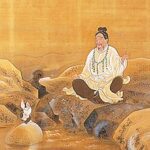 Okuninushi
Oyamatsumi is sometimes associated with other deities, creating a complex web of relationships in the pantheon of Japanese gods. This interconnectedness signifies the importance of community and cooperation in nature, as various elements work together for balance and harmony. The stories of Oyamatsumi often involve interactions with other gods, showcasing the dynamic relationships that exist in the mythological realm.
Oyamatsumi in Japanese Culture
Oyamatsumi holds a prominent place in Japanese culture, influencing various aspects of life, from festivals to art. Many traditional festivals, known as matsuri, are dedicated to honoring Oyamatsumi, particularly in regions with mountainous landscapes. These festivals often include rituals, dances, and offerings to express gratitude for the bounties provided by nature. The connection between Oyamatsumi and the land is celebrated through these cultural practices, emphasizing the importance of nature in the daily lives of the people.
Artistic representations of Oyamatsumi can also be found throughout Japan, often depicted in paintings, sculptures, and traditional crafts. These artworks capture the essence of the deity, portraying them as a majestic figure that embodies the strength and beauty of the mountains. The symbolism associated with Oyamatsumi serves as a reminder of the need to respect and protect the natural world, as well as the cultural heritage that has been passed down through generations.
 O-ana-mochi
Legends and Stories of Oyamatsumi
Many legends and stories surrounding Oyamatsumi highlight their role as a guardian of the mountains. One popular tale tells of how Oyamatsumi created the mountains as a refuge for lost souls, providing them with a safe place to rest. This story emphasizes the protective nature of Oyamatsumi and their commitment to ensuring the well-being of all living beings. It also reflects the belief that mountains hold spiritual significance, serving as a bridge between the earthly realm and the divine.
Another well-known legend involves Oyamatsumi’s encounters with humans. In these stories, Oyamatsumi often tests the character and integrity of those who venture into the mountains. Those who demonstrate respect for nature and humility are rewarded with blessings, while those who act selfishly may face consequences. These tales serve as moral lessons, teaching the importance of living in harmony with the environment and respecting the powers that govern it.
 Ninigi-no-mikoto
The Symbolism of Oyamatsumi
Oyamatsumi is rich in symbolism, representing various aspects of nature and spirituality. The mountains themselves symbolize strength, stability, and endurance, qualities that are embodied by Oyamatsumi. This connection to the mountains signifies a deep-rooted belief in the power of nature and its ability to shape human experiences. The reverence for Oyamatsumi also reflects a broader understanding of the interconnectedness of all living beings, emphasizing the need for balance in the ecosystem.
Additionally, Oyamatsumi symbolizes the nurturing aspects of nature. Just as mountains provide shelter and resources for countless species, Oyamatsumi is seen as a protector and provider for humanity. This duality of strength and nurturing is a recurring theme in many myths and legends, highlighting the complex relationship between humans and the natural world.
Oyamatsumi in Modern Times
In modern times, the figure of Oyamatsumi continues to resonate with many people in Japan and beyond. As environmental concerns grow, the stories and teachings associated with Oyamatsumi remind us of the importance of preserving our natural surroundings. Many environmental movements in Japan draw inspiration from the reverence for nature found in traditional beliefs, urging individuals and communities to take action in protecting the environment.
Furthermore, the cultural practices surrounding Oyamatsumi have adapted to contemporary life. While traditional festivals may still be celebrated, they often incorporate modern elements, making them accessible to younger generations. This fusion of old and new reflects a desire to maintain cultural heritage while also addressing the challenges of modern living. Oyamatsumi remains a symbol of hope and resilience, inspiring people to reconnect with nature and advocate for its protection.
The Role of Oyamatsumi in Shinto
In the context of Shinto, Oyamatsumi is considered a kami, or spirit, who plays a vital role in the spiritual landscape of Japan. Shinto emphasizes the importance of kami as guardians of the natural world, and Oyamatsumi is no exception. As a mountain deity, Oyamatsumi embodies the essence of the mountains, representing both their physical presence and their spiritual significance. Shinto rituals often include offerings and prayers to Oyamatsumi, seeking blessings for health, prosperity, and protection.
The relationship between Oyamatsumi and Shinto practices underscores the belief that the divine is present in all aspects of nature. Temples and shrines dedicated to Oyamatsumi can be found in various mountainous regions, serving as places of worship and reflection. These sacred sites are often surrounded by lush forests and pristine landscapes, creating an atmosphere that fosters a deep connection to the natural world. Visitors to these shrines are encouraged to engage with nature, reinforcing the idea that spirituality is intertwined with the environment.
Oyamatsumi and Nature Conservation
The teachings associated with Oyamatsumi have important implications for nature conservation efforts in Japan. The respect for nature that is embedded in the mythology surrounding Oyamatsumi encourages individuals to appreciate the beauty and fragility of the environment. Many conservation initiatives draw upon these traditional beliefs, emphasizing the need to protect natural habitats and preserve biodiversity. By fostering a sense of stewardship towards the land, these efforts aim to ensure that future generations can experience the same wonder and reverence for nature.
Moreover, Oyamatsumi’s connection to the mountains serves as a powerful reminder of the impact of climate change and environmental degradation. As mountains are affected by rising temperatures and changing weather patterns, the stories of Oyamatsumi highlight the urgent need for action. Environmental education programs often incorporate these myths to instill a sense of responsibility in younger generations, encouraging them to become advocates for the planet.
Conclusion: The Enduring Legacy of Oyamatsumi
The legacy of Oyamatsumi is a testament to the enduring connection between the Japanese people and their natural environment. Through mythology, culture, and spiritual practices, Oyamatsumi serves as a reminder of the importance of respecting and protecting the world around us. As society continues to evolve, the teachings associated with Oyamatsumi remain relevant, inspiring individuals to foster a deeper understanding of nature and its significance in our lives. The stories of Oyamatsumi will continue to resonate, encouraging us to live in harmony with the environment and honor the rich cultural heritage that shapes our understanding of the world.