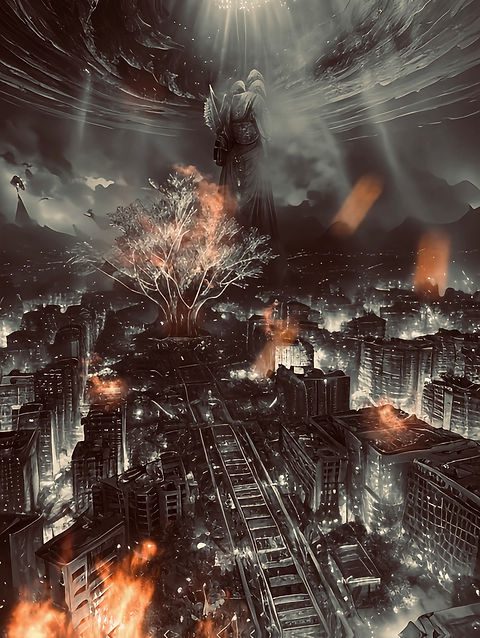
Ronobe is a captivating topic that falls under the category of Fallen Angels. This concept brings together a rich tapestry of history, mythology, and literature. The term Fallen Angels often refers to beings that were once in a position of grace or power but have since fallen from that status due to various reasons. In many traditions, these figures are depicted as having once been close to the divine, only to be cast out due to rebellion, pride, or other transgressions. Ronobe, in this context, is a unique figure that embodies many of these themes, making it a fascinating subject for exploration.
The Origins of Ronobe
The story of Ronobe is steeped in ancient lore and tradition. To understand this figure, one must delve into the origins of the Fallen Angels narrative. Many cultures have tales of angels or divine beings who defy the will of a higher power. In Christian theology, for example, Lucifer is often considered the most famous fallen angel, having been cast out of heaven for his rebellion. Similarly, Ronobe’s story mirrors these themes of defiance and the consequences that follow.
 Ruax
RuaxRonobe is sometimes associated with wisdom and knowledge, traits that can lead to both enlightenment and downfall. In various texts, he is depicted as a being who sought greater understanding, which ultimately led to his fall. This theme resonates with many individuals who pursue knowledge at any cost, often ignoring the potential repercussions of their actions. The duality of Ronobe’s character—both a seeker of wisdom and a victim of his own hubris—serves as a cautionary tale for those who dare to tread similar paths.
Characteristics of Ronobe
Ronobe is often characterized by his intellect and charisma. Unlike other fallen angels who may be depicted as malevolent or destructive, Ronobe possesses a certain allure that draws others to him. His ability to engage in deep philosophical discussions and to challenge the status quo makes him a compelling figure. People are often fascinated by his insights, which can lead them to question their own beliefs and assumptions.
Another notable characteristic of Ronobe is his transformation. After his fall, he is said to take on a new form that reflects his inner turmoil. This transformation serves as a metaphor for the consequences of his actions. Instead of being a pure angelic being, he becomes a complex character who embodies both light and darkness. This duality makes Ronobe relatable to many, as it mirrors the struggles that individuals face in their own lives.
 Sabnack
Ronobe in Literature and Art
Throughout history, Ronobe has been depicted in various forms of literature and art. His character often serves as a symbol of the eternal struggle between good and evil. In many literary works, he is portrayed as a tragic hero, someone who has fallen from grace yet still possesses noble qualities. This complexity allows for rich storytelling, where readers can explore themes of redemption, loss, and the quest for knowledge.
Artists have also been drawn to the figure of Ronobe, often illustrating him in ways that highlight his dual nature. Paintings and sculptures frequently depict him with a blend of beauty and melancholy, capturing the essence of a being who has experienced great loss. These artistic representations often evoke strong emotions, prompting viewers to reflect on their own experiences with failure and redemption.
The Impact of Ronobe on Modern Culture
In contemporary society, the story of Ronobe continues to resonate with many individuals. The themes associated with fallen angels, such as rebellion, search for truth, and the consequences of one’s choices, are highly relevant today. Many people feel a connection to Ronobe’s journey, as they navigate their own paths through a world filled with uncertainty and moral ambiguity. This connection is evident in popular media, where Ronobe’s character is often referenced in films, music, and literature.
 Saleos
Moreover, the idea of the fallen angel has been embraced by various subcultures. For example, in the world of goth and alternative fashion, symbols of fallen angels are frequently used to express themes of darkness and rebellion. These cultural expressions often serve as a means for individuals to explore their own feelings of alienation or nonconformity, much like Ronobe himself.
Philosophical Implications of Ronobe
The figure of Ronobe raises profound philosophical questions about the nature of free will and morality. His journey illustrates the complexity of choice and the idea that knowledge can be both a blessing and a curse. When individuals seek knowledge, they often face dilemmas that challenge their moral compass. Ronobe’s story invites readers to ponder whether the pursuit of knowledge justifies the means by which it is obtained, and at what cost.
Furthermore, Ronobe’s fall can be seen as a reflection of the human condition. Many people grapple with the tension between their desires and the ethical implications of their actions. This struggle is not just a personal battle but a universal experience that resonates across cultures and eras. By examining Ronobe’s story, individuals can gain insights into their own lives and the choices they make.
Ronobe and Redemption
Despite his fall, Ronobe’s narrative is not solely one of despair; it also encompasses themes of redemption. The idea that even those who have strayed from grace can find a path back to enlightenment is a powerful message. In various interpretations of Ronobe’s story, there exists a glimmer of hope that redemption is possible through self-reflection, atonement, and the pursuit of a higher understanding.
This theme of redemption resonates with many who have experienced failure or loss in their lives. The belief that one can rise from the ashes of their mistakes and reclaim their sense of purpose is a comforting notion. Ronobe’s journey serves as a reminder that the path to redemption is often fraught with challenges, but it is also attainable through perseverance and self-discovery.
Ronobe in Popular Media
In recent years, Ronobe has made appearances in various forms of popular media, including films, television shows, and video games. These portrayals often highlight the duality of his character, emphasizing both his intellect and his tragic fall. This multifaceted representation allows audiences to engage with Ronobe’s story on different levels, exploring the complexities of his character and the themes associated with fallen angels.
Video games, in particular, have embraced the character of Ronobe, allowing players to navigate through moral dilemmas that reflect his struggles. These interactive experiences provide a unique opportunity for individuals to immerse themselves in the narrative and confront the same questions of free will and morality that Ronobe embodies. As players make choices that impact the storyline, they are invited to reflect on their own values and beliefs.
The Legacy of Ronobe
The legacy of Ronobe as a figure of fallen angels continues to evolve. His story serves as a powerful reminder of the complexities of the human experience, highlighting the interplay between knowledge, power, and morality. As society grapples with the challenges of modern life, the themes associated with Ronobe remain relevant, offering insights into the struggles individuals face on their journeys.
Ultimately, Ronobe’s narrative invites individuals to explore their own beliefs and values, encouraging self-reflection and growth. Whether through literature, art, or popular media, the figure of Ronobe will likely continue to inspire and provoke thought for generations to come. His story serves as a testament to the enduring nature of the human quest for understanding and the consequences that often accompany that pursuit.