
In Japanese mythology, the Oni are fascinating creatures that have captured the imagination of many. These beings are often depicted as large, fearsome demons with horns, sharp claws, and wild hair. They are known for their strength and often have a terrifying appearance. The concept of Oni has evolved over time, but they remain a significant part of Japanese folklore. Their stories and representations can be found in various forms of art, literature, and festivals throughout Japan.
Origins of Oni
The origins of Oni can be traced back to ancient Japanese beliefs and folklore. Many scholars believe that Oni may have evolved from earlier deities or spirits that were associated with nature and the afterlife. In the beginning, Oni were not necessarily seen as evil; rather, they were seen as powerful beings that could either help or harm humans. Over time, as stories were passed down through generations, the perception of Oni shifted to that of malevolent creatures.
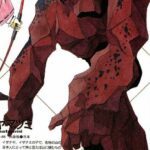 Oyamatsumi
In some accounts, Oni are thought to be the spirits of the dead who could not find peace. This belief reflects the ancient Japanese understanding of life, death, and the afterlife. As such, Oni became symbols of the chaos and fear that can arise from unresolved issues. Their terrifying appearances and behaviors serve as a reminder of the darker aspects of life and the consequences of one’s actions.
Physical Characteristics of Oni
The physical characteristics of Oni are one of the most distinctive aspects of their mythology. Oni are typically portrayed as large, muscular beings, often exceeding the height of an average human. They have horns protruding from their heads, which can vary in size and shape. Their skin color is often depicted in shades of red, blue, or green, adding to their fearsome appearance. This vibrant coloring serves to emphasize their supernatural nature and sets them apart from ordinary humans.
In addition to their horns, Oni are usually shown with wild, unkempt hair, which can further enhance their intimidating look. Their faces are often depicted with sharp fangs and fierce expressions, making them appear even more threatening. Oni are also frequently illustrated wearing tiger-skin loincloths, which adds a primal element to their character. This attire not only signifies their wild nature but also connects them to the natural world.
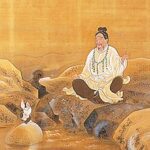 Okuninushi
Oni in Japanese Folktales
Oni play a significant role in many Japanese folktales and legends. One of the most famous stories is that of Momotaro, or Peach Boy. In this tale, Momotaro sets out on a quest to defeat a group of Oni who have been terrorizing his village. With the help of animal companions he meets along the way, he confronts the Oni and ultimately defeats them. This story highlights the struggle between good and evil, with Oni representing the chaotic forces that threaten harmony.
Another well-known tale involves the Oni of Shikoku, which tells of a woman who was kidnapped by an Oni and taken to his mountain lair. Her husband, determined to rescue her, embarks on a dangerous journey to confront the Oni. This story emphasizes themes of bravery, love, and the lengths one will go to protect their loved ones. Through these narratives, Oni are portrayed as formidable adversaries that heroes must overcome, symbolizing the challenges and fears that everyone faces in life.
 O-ana-mochi
Oni in Art and Culture
The representation of Oni in Japanese art is diverse and rich. They are commonly depicted in traditional woodblock prints, paintings, and sculptures. Artists often emphasize their fierce features and powerful physique, capturing the essence of these mythical beings. In many artworks, Oni are shown engaging in various activities, such as battling heroes or causing mischief, which reflects their dual nature as both protectors and tormentors.
During festivals, Oni are often featured in theatrical performances and dances. The Setsubun festival, celebrated in early February, involves the ritual of throwing roasted soybeans to drive away Oni and bring good fortune. Participants shout “Oni wa soto! Fuku wa uchi!” which means “Demons out! Luck in!” This practice symbolizes the cleansing of evil spirits and the welcoming of good luck for the coming year. Through these cultural expressions, Oni remain a vital part of Japanese heritage.
Modern Interpretations of Oni
In contemporary society, the concept of Oni continues to evolve. While they still retain their traditional characteristics, modern interpretations often explore their complexities. In literature and film, Oni may be portrayed as misunderstood beings rather than purely evil entities. This shift allows for deeper storytelling and reflects a growing interest in exploring the duality of good and evil.
Anime and manga have also played a significant role in shaping modern perceptions of Oni. These mediums often depict Oni with more human-like traits, allowing audiences to connect with them on a personal level. Characters that embody Oni characteristics may struggle with their nature or seek redemption, showcasing a more nuanced view of these mythical beings. This modern portrayal challenges the traditional notions of fear and evil associated with Oni.
Oni in Festivals and Celebrations
Throughout Japan, various festivals celebrate the presence of Oni in unique ways. One of the most notable is the Oni Matsuri, or Oni Festival, which takes place in several regions. During this festival, participants dress up as Oni and engage in lively parades, dances, and performances. The festivities often include rituals to ward off evil spirits, showcasing the enduring belief in the protective power of Oni.
In some areas, local legends and stories about Oni are recounted during these festivals, helping to keep the folklore alive. Children are often encouraged to participate, fostering a sense of community and cultural heritage. The celebration of Oni in this manner reflects the ongoing significance of these mythical beings in Japanese culture, bridging the gap between past and present.
The Role of Oni in Japanese Spirituality
In Japanese spirituality, Oni are often associated with protection and the balance of good and evil. They serve as reminders of the consequences of one’s actions and the need for harmony in life. Many people believe that by acknowledging the existence of Oni, they can better understand their own fears and struggles. This belief system encourages individuals to confront their inner demons and seek resolution.
Additionally, Oni are sometimes invoked in rituals aimed at protection against malevolent spirits. By recognizing the power of Oni, individuals can harness their strength to ward off negativity. This practice illustrates the duality of Oni as both fearsome creatures and powerful protectors, emphasizing the complexity of their role in Japanese spirituality.
Conclusion: The Enduring Legacy of Oni
The legacy of Oni in Japanese mythology is profound and enduring. These creatures continue to inspire art, literature, and cultural practices, serving as a bridge between ancient beliefs and modern interpretations. As symbols of both chaos and protection, Oni remind us of the complexities of life and the importance of confronting our fears. Through their stories and representations, Oni remain a vital part of Japan’s rich cultural tapestry.