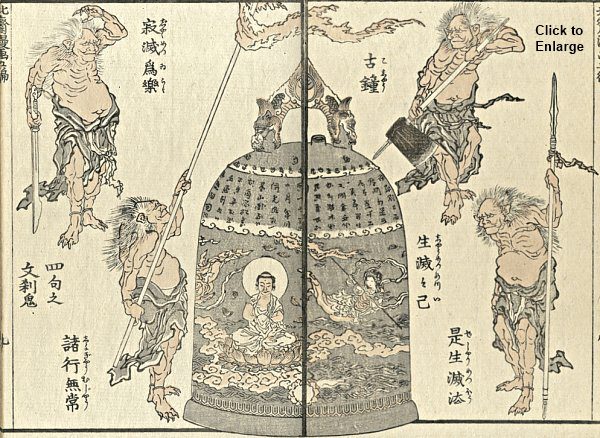
Seidai Myojin, a significant figure in Japanese mythology, is known for his associations with rice and agriculture. He is often depicted as a deity who ensures the fertility of the land, helping farmers achieve bountiful harvests. The importance of rice in Japanese culture cannot be overstated, as it serves not only as a staple food but also as a symbol of prosperity and life. Thus, Seidai Myojin plays a crucial role in the agricultural practices of Japan, embodying the connection between the divine and the earthly. His presence is felt in various festivals and rituals that celebrate the cycles of planting and harvesting, emphasizing the deep respect that the Japanese have for nature and its deities.
Origins of Seidai Myojin
The origins of Seidai Myojin can be traced back to ancient Japan, where agricultural practices were deeply intertwined with religious beliefs. As communities began to settle and cultivate the land, they looked to the heavens for guidance and support. Seidai Myojin emerged as a protector of these agricultural endeavors, ensuring that the crops would flourish. The mythology surrounding him suggests that he was once a mortal who, through his dedication to farming and the land, was elevated to divine status. This transformation reflects the importance of hard work and devotion in achieving success.
 Sarutahiko
In the early texts of Japanese mythology, Seidai Myojin is often linked with other deities of agriculture and fertility. He is sometimes portrayed as a counterpart to deities like Inari, who is also associated with rice and harvests. The stories often highlight the cooperation between these deities, emphasizing the idea that agricultural success is a communal effort. This interconnectedness of deities illustrates the complexity of Japanese spiritual beliefs and the respect for various forces of nature.
Symbolism and Iconography
Seidai Myojin is commonly represented in various forms of art and iconography. He is often depicted wearing traditional farming attire, which includes a straw hat and simple clothing that reflects the lifestyle of a farmer. This imagery serves to remind worshippers of his humble origins and his dedication to the land. In some representations, he holds a sheaf of rice or a farming tool, further emphasizing his role as a protector of agriculture. These symbols are powerful reminders of the deep connection between the divine and the agricultural practices that sustain life.
In addition to his physical representations, Seidai Myojin is also associated with specific colors and elements that symbolize fertility and growth. For instance, the color green is often linked to his worship, representing lush fields and healthy crops. Additionally, he is associated with water, which is essential for farming. Rituals and offerings to Seidai Myojin often include rice, sake, and fresh fruits, symbolizing gratitude for the harvest and the sustenance it provides.
 Sengen-sama
Festivals and Rituals
Throughout Japan, numerous festivals and rituals are dedicated to Seidai Myojin, celebrating the changing seasons and the agricultural cycle. One of the most notable festivals is the Inaho Matsuri, or Rice Ear Festival, which occurs in various regions during the rice harvest season. This festival typically includes processions, traditional music, and dance, all aimed at honoring Seidai Myojin and thanking him for the bountiful harvest. Participants often dress in traditional clothing and carry offerings to the shrine, creating a vibrant and joyous atmosphere.
- Inaho Matsuri: Celebrates the rice harvest with processions and offerings.
- Seimai Shinto: A ritual where farmers pray for a good harvest.
- Rice Planting Ceremony: Marks the beginning of the planting season with prayers to Seidai Myojin.
Another important ritual associated with Seidai Myojin is the Seimai Shinto, where farmers gather at shrines to pray for a successful growing season. This event often involves offering rice, sake, and other agricultural products to the deity. It serves as a communal gathering that strengthens the bonds between community members, emphasizing the collective effort required for successful farming. These rituals not only honor Seidai Myojin but also foster a sense of unity among the participants.
Regional Variations and Worship
Worship of Seidai Myojin varies significantly across different regions of Japan. In some areas, he is revered as the primary deity of agriculture, while in others, he may be one of many gods worshipped at local shrines. For instance, in the Kanto region, Seidai Myojin is often celebrated alongside Inari, highlighting the interconnectedness of agricultural deities in local belief systems. This regional variation reflects the diverse agricultural practices and cultural traditions that exist within Japan.
 Sanbai-sama
In rural communities, Seidai Myojin is often seen as a local guardian, and farmers may create small shrines or altars in their fields to honor him. These altars typically contain offerings of rice and other food items, along with small tokens of gratitude. The act of creating a personal shrine underscores the deep connection between the farmers and their land, as well as their reliance on Seidai Myojin’s blessings for a successful harvest. Such practices demonstrate the adaptability of Japanese mythology to local customs and the significance of place in spiritual beliefs.
Seidai Myojin in Modern Japan
In contemporary Japan, the worship of Seidai Myojin continues, albeit in a more modern context. While traditional rituals still hold significance, many communities have adapted these practices to fit modern lifestyles. For example, urban areas may celebrate festivals with parades and cultural performances, bringing together people from various backgrounds to honor Seidai Myojin. These events serve as a reminder of the importance of agriculture in Japanese society and the need to respect the natural world.
Additionally, the growing interest in organic farming and sustainable agricultural practices has led to a renewed appreciation for deities like Seidai Myojin. Many farmers today seek to align their practices with traditional beliefs, recognizing the value of harmony with nature. This shift reflects a broader trend in society towards sustainability and environmental consciousness, reinforcing the relevance of Seidai Myojin’s teachings in the modern world.
Literature and Folklore
Seidai Myojin appears in various forms of Japanese literature and folklore, often symbolizing the relationship between humanity and nature. Stories and legends about him emphasize themes of hard work, gratitude, and respect for the land. These narratives serve as moral lessons for communities, encouraging individuals to appreciate the resources they have and to work diligently for their sustenance. The tales often illustrate the consequences of neglecting the land, reinforcing the idea that harmony with nature is essential for survival.
In addition to oral traditions, Seidai Myojin has been featured in written works, including poetry and prose. Many poets have drawn inspiration from the imagery associated with him, using nature as a metaphor for human emotions and experiences. This literary connection highlights the enduring influence of Seidai Myojin in Japanese culture and the ways in which mythology continues to inspire artistic expression.
Seidai Myojin and Environmentalism
The teachings and symbolism of Seidai Myojin resonate strongly with contemporary environmental movements in Japan. As concerns about climate change and environmental degradation grow, many people look to traditional beliefs for guidance on sustainable practices. Seidai Myojin’s emphasis on the fertility of the land and the importance of agricultural stewardship aligns with modern principles of environmental conservation. This connection underscores the relevance of ancient myths in addressing contemporary challenges.
Furthermore, community initiatives aimed at promoting sustainable agriculture often invoke the spirit of Seidai Myojin. Farmers and environmentalists alike recognize the importance of preserving natural resources and fostering a respectful relationship with the earth. By integrating traditional beliefs into modern practices, communities can cultivate a deeper understanding of their environmental responsibilities while honoring their cultural heritage.
The Legacy of Seidai Myojin
The legacy of Seidai Myojin is evident in the ongoing reverence for agricultural deities in Japan. His influence can be seen in the continued celebration of festivals, rituals, and the preservation of traditional farming practices. The stories and teachings associated with him serve as a reminder of the importance of respecting the land and the interconnectedness of all living things. As Japan navigates the complexities of modern life, the teachings of Seidai Myojin remain a source of inspiration for many.
Moreover, the cultural significance of Seidai Myojin extends beyond agriculture. His story reflects broader themes of community, cooperation, and the relationship between humanity and nature. In a rapidly changing world, these values continue to resonate with individuals and communities seeking to find balance and harmony in their lives. Seidai Myojin’s legacy endures, reminding us of the importance of tradition and the lessons it can offer in our contemporary lives.