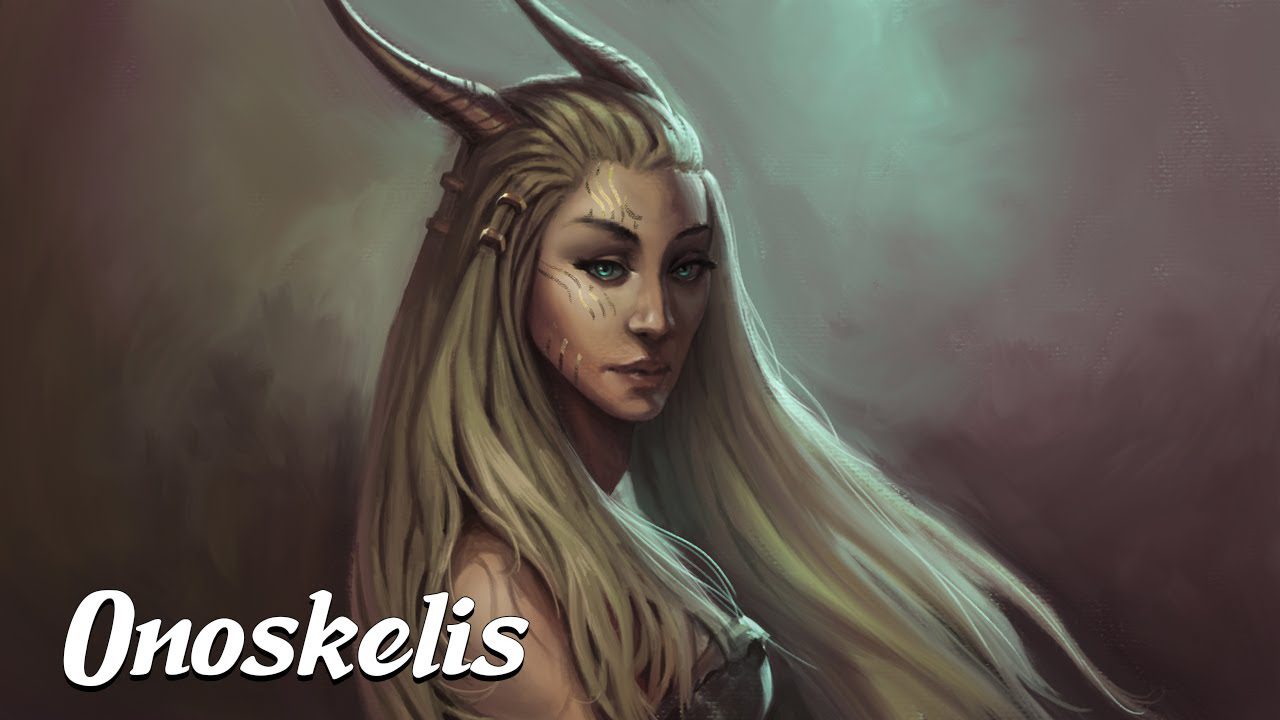
Onoskelis is a fascinating figure within the category of Fallen Angels, a term that refers to angels who have been cast out of Heaven. This category is often filled with complex narratives and rich symbolism. Onoskelis, in particular, is a lesser-known entity compared to more famous fallen angels like Lucifer or Azazel. However, her story is equally intriguing and offers a unique perspective on themes of rebellion, temptation, and the human condition. As we delve into her narrative, we will explore her origins, attributes, and the various interpretations that have emerged over time.
Origins of Onoskelis
The origins of Onoskelis can be traced back to ancient texts, particularly within the context of Jewish mythology and apocryphal literature. In some traditions, she is associated with the Book of Enoch, a work that describes the fall of the Watchers—angels who descended to Earth and took human wives. Onoskelis is often depicted as one of these angels, and her name itself has intriguing connotations. The etymology of her name suggests connections to serpent-like characteristics, which may symbolize temptation and knowledge.
 Orias
OriasIn the context of these ancient texts, Onoskelis is sometimes portrayed as a figure who embodies both the allure and danger of forbidden knowledge. Her origins serve as a reminder of the consequences that can arise from disobedience and the pursuit of desires that are deemed inappropriate by divine standards. This duality of her character creates a rich tapestry for interpretation, allowing for various readings of her role within the larger narrative of fallen angels.
Attributes of Onoskelis
Onoskelis is often characterized by a combination of beauty and danger, traits that make her a compelling figure in the study of fallen angels. She is described as having a serpentine appearance, which enhances her association with temptation. This physical manifestation can symbolize the seductive nature of sin and the complexities of desire. Her beauty is not merely aesthetic; it serves as a representation of the allure that often accompanies transgression.
 Ornias
In addition to her physical attributes, Onoskelis is frequently linked to the concept of wisdom. In many interpretations, she is seen as a keeper of knowledge, especially the kind that is forbidden or hidden from humanity. This aspect of her character raises important questions about the nature of knowledge itself. Is knowledge inherently good, or can it lead to destruction? Onoskelis embodies this paradox, making her a figure of both admiration and caution.
Onoskelis in Literature and Art
Throughout history, Onoskelis has inspired various works of literature and art. Her representation varies widely, reflecting the cultural and historical contexts in which she is depicted. In some literary works, she is portrayed as a tragic figure, embodying the consequences of her rebellion against divine authority. This portrayal often elicits sympathy from the audience, as they recognize the complexity of her choices.
In art, Onoskelis has been depicted in various forms, from paintings to sculptures. Artists have utilized her serpentine qualities to create visually striking representations that capture her dual nature. The combination of beauty and danger is often emphasized, inviting viewers to ponder the themes of temptation and knowledge. These artistic interpretations serve as a visual commentary on the narratives surrounding fallen angels, enriching our understanding of Onoskelis.
 Orobas
Symbolism of Onoskelis
The symbolism surrounding Onoskelis is multifaceted and deeply rooted in the themes of temptation, rebellion, and knowledge. Her serpentine form often symbolizes the temptation of sin, drawing parallels to the biblical story of Adam and Eve. Just as the serpent led to humanity’s fall, Onoskelis represents the seductive power of forbidden knowledge and the choices that come with it.
Moreover, Onoskelis serves as a reminder of the consequences of rebellion against divine authority. Her story is not just about the allure of temptation; it also highlights the potential for downfall that accompanies such choices. This duality makes her a powerful symbol in discussions about morality, ethics, and the human experience. Her narrative encourages reflection on the nature of free will and the responsibilities that come with it.
Modern Interpretations of Onoskelis
In contemporary culture, Onoskelis has seen a resurgence in interest, particularly within the realms of fantasy literature and popular media. Writers and creators have drawn inspiration from her story to craft new narratives that explore themes of empowerment, rebellion, and self-discovery. In these modern interpretations, Onoskelis is often depicted as a figure of strength who challenges societal norms and expectations.
Furthermore, her character has been embraced by various subcultures, including those interested in the occult and gothic aesthetics. In these contexts, Onoskelis is sometimes celebrated as a symbol of individuality and non-conformity. This shift in perception highlights the evolving nature of her narrative, as contemporary audiences seek to reinterpret traditional stories in ways that resonate with their own experiences and values.
Onoskelis and Feminine Power
One of the most compelling aspects of Onoskelis is her representation of feminine power and autonomy. In many narratives, she defies the limitations imposed upon her by patriarchal structures, asserting her own desires and choices. This theme resonates deeply in modern discussions about gender and power dynamics. Onoskelis embodies a form of rebellion that challenges the status quo, making her a potent symbol for those advocating for women’s rights and empowerment.
In feminist interpretations, Onoskelis is often viewed as a figure who embraces her sexuality and intelligence, using them as tools for self-determination. This reclamation of her narrative allows for a broader understanding of female agency within the context of fallen angels. Rather than being merely a cautionary tale, her story can be seen as one of strength and resilience, encouraging women to embrace their complexities and challenge societal expectations.
Onoskelis in Spiritual Contexts
Within various spiritual contexts, Onoskelis holds significance as a symbol of spiritual awakening and transformation. Some practitioners of modern spirituality view her as a guide who helps individuals navigate their own journeys of self-discovery. Her connection to knowledge and wisdom positions her as a mentor figure for those seeking to explore the depths of their own consciousness.
Moreover, Onoskelis represents the idea of embracing one’s shadow self—the parts of oneself that are often hidden or repressed. In this sense, she encourages individuals to confront their fears, desires, and imperfections. By doing so, they can achieve a greater understanding of themselves and their place in the world. This aspect of her symbolism aligns with contemporary spiritual practices that emphasize personal growth and self-acceptance.
Onoskelis and the Concept of Duality
At the heart of Onoskelis’s narrative is the concept of duality. She embodies the tension between light and dark, good and evil, knowledge and ignorance. This duality is not merely a conflict; it is a dynamic interplay that shapes her character and story. Onoskelis’s existence challenges the binary thinking that often permeates discussions about morality and ethics. Instead of categorizing her as simply good or evil, her story invites a more nuanced understanding of the complexities of human experience.
This theme of duality can be seen in various aspects of her character. For instance, while she is associated with temptation, she also embodies the quest for knowledge and self-awareness. This intricate balance encourages individuals to reflect on their own dualities, recognizing that they too are multifaceted beings capable of both light and darkness. Onoskelis serves as a reminder that embracing one’s complexity can lead to personal growth and transformation.
Onoskelis is a compelling figure within the realm of fallen angels, offering rich narratives and complex symbolism that resonate with themes of temptation, rebellion, and feminine power. Her story invites us to explore the dualities within ourselves and the choices we make in the pursuit of knowledge and self-discovery. As we continue to interpret and reimagine her character, Onoskelis remains a powerful symbol of strength, autonomy, and the intricate nature of the human experience.