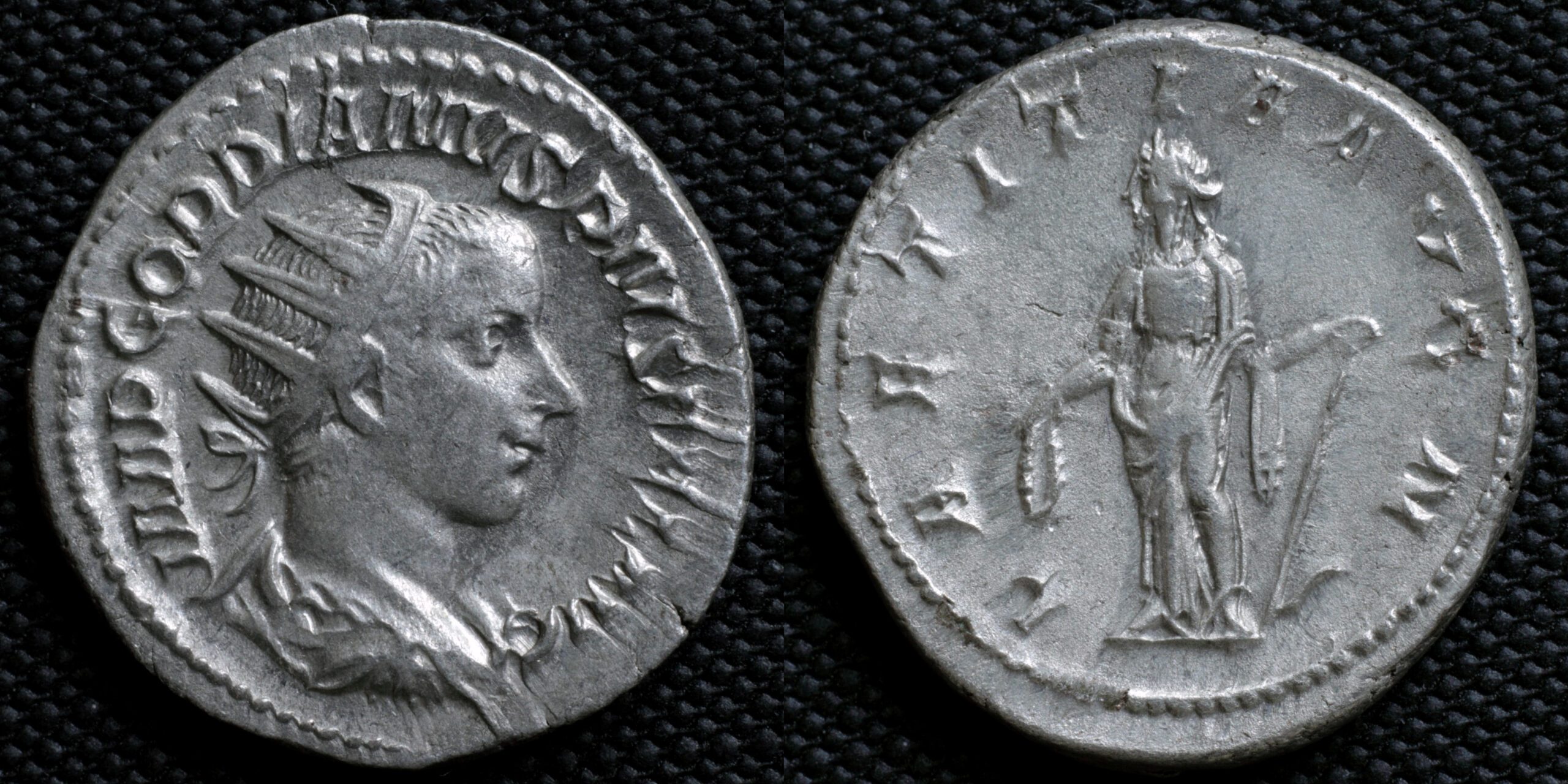
In Roman mythology, Laetitia is a significant figure often associated with joy and happiness. She personifies the feeling of joy and is frequently depicted in art and literature as a symbol of bliss. The name Laetitia itself comes from the Latin word for joy, laetitia, which encapsulates her essence. She is sometimes considered a goddess or a divine spirit who brings happiness to people and helps them celebrate life’s joyful moments. In ancient Rome, festivals and celebrations often included references to Laetitia, showcasing her importance in the cultural and religious life of the time.
Laetitia in Roman Culture
In the context of Roman culture, Laetitia was more than just a symbol of joy; she represented the collective happiness of the Roman people. Festivals dedicated to her were vibrant and filled with music, dancing, and feasting. These celebrations were not just about individual happiness but also about community joy. The Romans believed that by honoring Laetitia, they could invite more joy into their lives and ensure prosperity and good fortune for the community as a whole. The connection between joy and communal gatherings was a vital aspect of Roman society.
 Lara
LaraDuring these festivals, people would dress in bright, colorful clothing, reflecting the joy that Laetitia represented. Decorations included flowers and ribbons, which added to the festive atmosphere. The importance of these celebrations cannot be overstated, as they served to strengthen social bonds and foster a sense of belonging among the participants. Laetitia, therefore, was not just a figure to be worshipped; she was a vital part of the social fabric of Roman life, reinforcing the idea that joy should be shared and celebrated together.
Symbols of Laetitia
- Flowers: Flowers are a common symbol of joy and beauty, often associated with Laetitia.
- Ribbons: Brightly colored ribbons were used in celebrations to represent happiness and festivity.
- Music: Music played an essential role in festivals, creating an atmosphere of joy and celebration.
- Dancing: Dancing was a physical expression of joy, embodying the spirit of Laetitia during festivities.
Each of these symbols played a crucial role in the representation of Laetitia and her connection to joy. Flowers, for instance, were not only beautiful but also carried meanings of love and happiness in Roman culture. The use of flowers during celebrations dedicated to Laetitia signified the flourishing of joy in life. Ribbons, with their bright colors, added a visual element to the celebrations, making them more vibrant and lively. Music and dancing, on the other hand, were integral to the experience of joy, allowing people to express their happiness physically and emotionally.
Laetitia in Literature and Art
Laetitia’s influence extended beyond festivals and cultural practices; she also found a place in Roman literature and art. Poets and writers often invoked her name when describing moments of happiness or joy. For instance, in the works of famous Roman poets like Virgil and Ovid, Laetitia appears as a muse or a symbol of the joyous aspects of life. Her presence in poetry often served to elevate the themes of celebration, love, and the beauty of nature, reinforcing the idea that joy is a fundamental part of the human experience.
 Lares
LaresIn visual art, Laetitia was depicted in various forms, often shown as a beautiful woman surrounded by symbols of happiness. Artists used bright colors and dynamic poses to convey the essence of joy that she represented. Statues and frescoes from ancient Rome often included Laetitia as part of larger scenes celebrating life, nature, and love. These artistic representations helped to immortalize her significance in Roman culture and allowed future generations to appreciate the value of joy in their lives.
Influence on Later Cultures
- Renaissance: During the Renaissance, Laetitia was rediscovered as a symbol of joy and happiness.
- Modern Art: Artists in modern times continue to explore themes of joy, often drawing inspiration from Laetitia.
- Literature: Writers still reference Laetitia to evoke feelings of happiness and celebration.
The influence of Laetitia did not end with the fall of the Roman Empire. During the Renaissance, there was a revival of interest in classical mythology, and Laetitia emerged once again as a symbol of joy. Artists and writers of this period often incorporated her into their works, celebrating the human experience and the pursuit of happiness. The revival of her image and symbolism served as a reminder of the importance of joy in life, encouraging people to seek happiness in their everyday experiences.
In modern art, the themes of joy and happiness continue to resonate, with many artists drawing inspiration from Laetitia and her legacy. The exploration of joy as a central theme in art reflects a deep-seated human desire to connect with positive emotions and celebrate life. Similarly, in literature, contemporary writers reference Laetitia to evoke feelings of joy and celebration, demonstrating that the pursuit of happiness is a timeless theme that transcends cultures and eras.
 Larvae
Festivals and Celebrations
Roman festivals dedicated to Laetitia were grand affairs, often involving the entire community. These celebrations typically took place during the warmer months when people could gather outdoors to enjoy the festivities. The atmosphere was filled with laughter, music, and the aroma of delicious food, creating an environment where joy could flourish. These events were not only a way to honor Laetitia but also served as an opportunity for the community to come together and strengthen their bonds.
One of the most notable festivals was the Festa Laetitiae, which was held annually in various parts of Rome. During this festival, people would engage in various activities, including games, races, and theatrical performances. The streets were lined with stalls selling food and drinks, and the air was filled with the sounds of musicians and performers entertaining the crowds. The goal of the festival was to create a sense of joy and community, allowing everyone to participate in the celebration of life and happiness.
Activities During Festivals
- Games: Traditional games were played, bringing laughter and friendly competition.
- Races: Foot races and chariot races were popular, showcasing athleticism and community spirit.
- Theater: Performances by actors and musicians entertained the crowds, adding to the festive atmosphere.
- Feasting: Lavish meals were prepared, allowing people to indulge in delicious food and drink.
Each of these activities contributed to the overall atmosphere of joy during the festivals dedicated to Laetitia. Games provided an opportunity for friendly competition and laughter, while races showcased the athleticism of participants and fostered a sense of community pride. The theatrical performances added an artistic flair to the celebrations, allowing people to experience joy through storytelling and music. Finally, the feasting aspect of the festival brought everyone together around shared meals, reinforcing the idea that joy is best experienced in the company of others.
Laetitia and Personal Happiness
The concept of Laetitia extends beyond the communal celebrations; it also touches on the idea of personal happiness. In Roman thought, the pursuit of joy was seen as a fundamental aspect of a fulfilling life. Laetitia served as a reminder that individuals should seek joy in their daily lives, whether through relationships, personal achievements, or simple pleasures. This emphasis on personal happiness reflects a broader understanding of well-being that encompasses both individual and communal aspects.
In modern times, the teachings of Laetitia can still be relevant. People often find themselves caught up in the stresses of daily life, forgetting the importance of joy. By looking to figures like Laetitia, individuals can be reminded to prioritize happiness and seek out joyful experiences. This might include spending time with loved ones, engaging in hobbies, or simply appreciating the beauty of nature. The essence of Laetitia encourages a balanced approach to life, where joy is recognized as an essential component of overall well-being.
Practices for Cultivating Joy
- Gratitude: Practicing gratitude can help individuals focus on the positive aspects of life.
- Mindfulness: Being present in the moment allows for a deeper appreciation of joyful experiences.
- Social Connections: Nurturing relationships can enhance feelings of joy and belonging.
- Creative Expression: Engaging in creative activities can provide an outlet for joy and self-expression.
These practices align with the spirit of Laetitia, encouraging individuals to actively seek joy in their lives. Gratitude helps shift focus from what is lacking to what is abundant, fostering a positive mindset. Mindfulness allows people to fully engage with their experiences, enhancing their ability to find joy in everyday moments. Building and nurturing social connections contributes to a sense of belonging, which is vital for emotional well-being. Finally, creative expression provides an outlet for individuals to explore their feelings and celebrate their joys, reinforcing the idea that happiness is a personal journey.
The Legacy of Laetitia
Laetitia’s legacy continues to resonate in contemporary culture, reminding us of the importance of joy in our lives. While she may have originated in ancient Roman mythology, her influence can be seen in various aspects of modern society, from art and literature to celebrations of happiness. The core message of Laetitia—that joy is a vital part of the human experience—remains relevant today, encouraging individuals to embrace happiness and seek out moments of joy in their daily lives.
In many ways, Laetitia represents the universal pursuit of happiness that transcends time and culture. Her image serves as a reminder that joy should be celebrated and shared, not only in grand festivals but also in the quiet moments of everyday life. By keeping her spirit alive, we can continue to foster a culture that values joy, community, and the importance of shared happiness.
Modern Celebrations of Joy
- Festivals: Modern festivals often celebrate joy through music, art, and community gatherings.
- Holidays: Many holidays emphasize themes of joy and togetherness, reflecting Laetitia’s spirit.
- Art Exhibitions: Contemporary art often explores themes of happiness and joy, drawing inspiration from mythological figures like Laetitia.
- Literary Works: Modern literature frequently includes themes of joy, echoing the legacy of Laetitia.
These modern celebrations serve to reinforce the timeless nature of Laetitia’s message. Festivals that celebrate joy bring communities together, creating spaces for connection and shared experiences. Holidays often emphasize the importance of togetherness, allowing people to celebrate joy with family and friends. Art exhibitions that explore themes of happiness provide a platform for artists to express their interpretations of joy, while literary works continue to reflect the universal pursuit of happiness. Laetitia’s legacy endures as a source of inspiration for those seeking to cultivate joy in their lives.