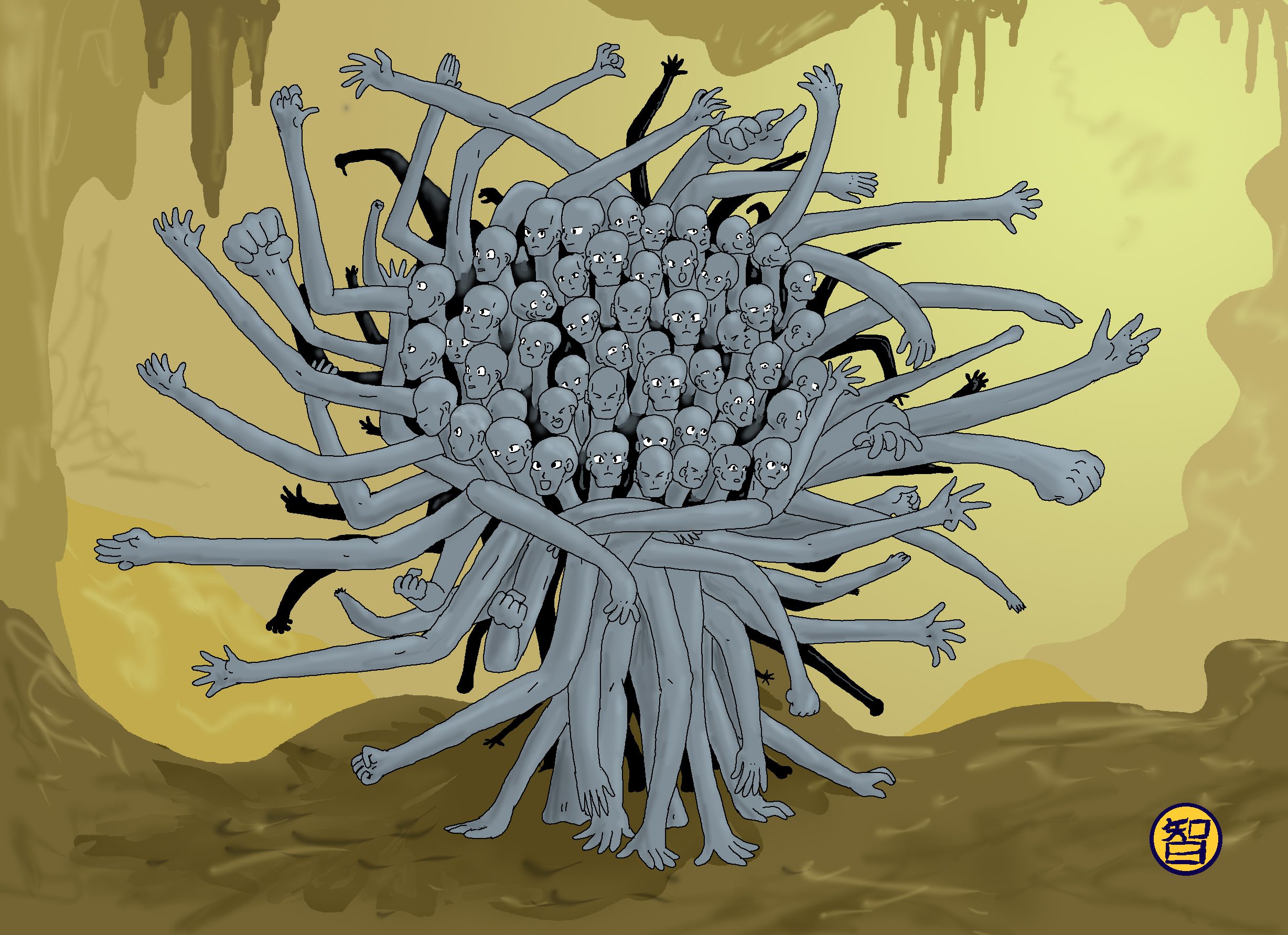
In Roman mythology, larvae are often depicted as malevolent spirits or ghosts of the dead. They are typically associated with fear and darkness, embodying the anxieties surrounding death and the afterlife. The term “larvae” itself comes from the Latin word “larva,” which means “mask” or “ghost.” This etymology highlights the idea that these spirits can take on various forms, often appearing in frightening ways to terrify the living. The larvae were thought to haunt the places where they had lived or died, creating a sense of unease among the people who encountered them.
Characteristics of Larvae
Larvae are often described as having a terrifying appearance. They were believed to have a pale, ghostly visage, with hollow eyes that could instill fear in anyone who looked upon them. Some accounts even describe them as being decomposed or partially rotten, emphasizing their connection to death and decay. This grotesque appearance was not merely for show; it served a purpose in Roman culture, as these spirits were often seen as a warning against immoral behavior and a reminder of the consequences of one’s actions in life.
 Latinus
In addition to their frightening looks, larvae were also known for their malicious nature. They were thought to cause harm to the living, often seeking revenge for wrongs done to them during their lifetimes. This belief served to reinforce the idea that one should respect the dead and honor their memory, as failing to do so could invite the wrath of a larvae. Many Romans took great care to conduct proper funerary rites and offer sacrifices to appease these spirits, ensuring that they would not return to haunt the living.
Larvae in Roman Culture
The concept of larvae permeated various aspects of Roman culture, influencing literature, art, and even daily life. In literature, larvae were often featured in stories and fables that conveyed moral lessons. These tales would serve to remind the audience of the importance of living a virtuous life, lest they attract the attention of a vengeful spirit. The presence of larvae in literature helped to shape the cultural narrative surrounding death and the afterlife in ancient Rome.
 Laverna
In terms of art, larvae were often depicted in sculptures and paintings, reinforcing their place in Roman mythology. Artists would create representations of these spirits that captured their eerie essence, often showing them in scenes of torment or haunting. These artistic portrayals served to both entertain and educate the public about the dangers of disrespecting the dead. Furthermore, the visual representation of larvae helped to solidify their image in the collective consciousness of Roman society.
Religious Practices and Beliefs
The belief in larvae was closely tied to the religious practices of the Romans. Many rituals were performed to honor the dead and to prevent larvae from returning to haunt the living. One common practice was the offering of sacrifices to the spirits of the deceased. These sacrifices could include food, wine, or other items that were believed to appease the larvae and ensure a peaceful afterlife for the dead. By honoring the spirits in this way, the Romans sought to maintain a harmonious relationship between the living and the dead.
Another significant practice was the celebration of the Parentalia, a festival dedicated to honoring deceased ancestors. During this time, families would visit the graves of their loved ones, bringing offerings and performing rituals to ensure that the spirits were at peace. The Parentalia was an essential aspect of Roman culture, as it reinforced the connection between the living and the dead, while also addressing the fears associated with larvae and other malevolent spirits.
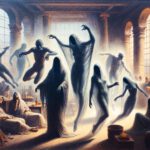 Lemures
Comparisons with Other Mythologies
The concept of larvae is not unique to Roman mythology; similar beliefs can be found in various cultures around the world. For example, in Greek mythology, there are spirits known as phantoms or shades that share many characteristics with the larvae. These spirits are also associated with death and often appear to haunt the living. Just like the larvae, these Greek spirits serve as reminders of the importance of respecting the dead and honoring their memory.
In other cultures, such as in Egyptian mythology, the concept of spirits haunting the living is also prevalent. The ancient Egyptians believed in a complex afterlife, where the souls of the deceased would navigate a series of trials. If they failed, their souls could become restless and haunt the living, much like the larvae in Roman belief. This universality of the concept highlights a common human fear of death and the unknown, transcending cultural boundaries.
Modern Interpretations of Larvae
Today, the concept of larvae continues to influence popular culture, particularly in literature, film, and art. Modern interpretations of these spirits often focus on their frightening aspects, playing into the horror genre. Movies and books frequently feature ghosts or spirits that echo the characteristics of larvae, serving to evoke fear and suspense. This modern portrayal keeps the ancient belief alive, reminding audiences of the fears associated with death and the afterlife.
Furthermore, contemporary discussions about death and the afterlife often reference the idea of spirits returning to haunt the living. This ongoing fascination with larvae and similar concepts reflects humanity’s enduring interest in what happens after death. It also highlights the cultural significance of these ancient beliefs, as they continue to shape our understanding of mortality and the unknown.
The larvae of Roman mythology serve as a potent symbol of our fears surrounding death and the afterlife. Their terrifying appearance and malicious nature remind us of the importance of honoring the dead and respecting their memory. Through rituals and cultural practices, the Romans sought to maintain a connection with the deceased, ensuring that the larvae would not return to haunt the living. As we continue to explore the concept of spirits in modern culture, the legacy of larvae remains relevant, offering insights into our shared human experiences and fears.