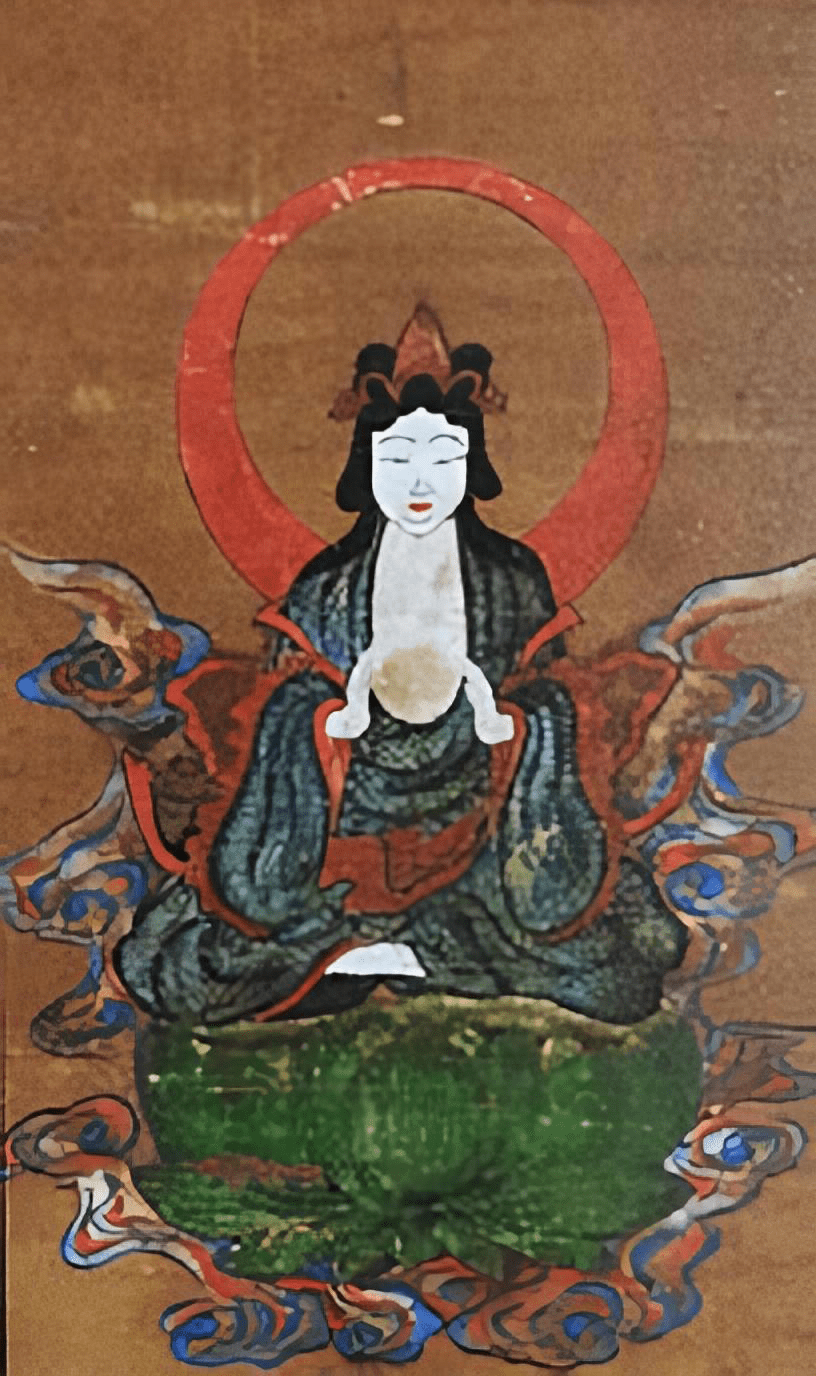
In Japanese mythology, Tsukiyomi is a significant figure who embodies the moon and its various attributes. Tsukiyomi is often depicted as a deity who represents the night and is associated with the cycles of the moon. His name translates to “moon reader” or “moon phase,” which highlights his connection to the lunar cycles that have fascinated humanity for centuries. In the context of Shinto, the traditional religion of Japan, Tsukiyomi plays a crucial role in the pantheon of gods and goddesses, showcasing the deep respect and reverence that the Japanese people have for natural elements and celestial bodies.
The Origins of Tsukiyomi
 Tengu
TenguThe origins of Tsukiyomi can be traced back to ancient Japanese texts, such as the Chronicles of Japan (Nihon Shoki) and the Records of Ancient Matters (Kojiki). These texts provide insight into the early beliefs and myths surrounding this lunar deity. Tsukiyomi is often depicted as the brother of Amaterasu, the sun goddess, and Susanoo, the storm god. Together, these three deities form a triad that represents the balance of day and night, light and darkness. The relationship between Tsukiyomi and his siblings is complex, with various stories depicting their interactions and conflicts.
One of the most notable myths involving Tsukiyomi describes his creation by the primordial deities Izanagi and Izanami. After their descent to the underworld, Izanagi emerged and purified himself, giving birth to several deities, including Tsukiyomi. This creation myth emphasizes the connection between the moon and the cycle of life, as Tsukiyomi is born from the cleansing waters of the sea. The lunar deity’s origins reflect the importance of water in Japanese culture and its symbolic connection to purity and renewal.
Characteristics of Tsukiyomi
Tsukiyomi is often depicted as a handsome and noble figure, embodying the serene beauty of the moon. His character is typically associated with calmness and tranquility, which are qualities often attributed to the night sky. In many artistic representations, Tsukiyomi is shown wearing traditional Japanese clothing, often adorned with motifs that reflect his celestial nature. His visual depictions usually include symbols of the moon, such as crescent shapes or full moons, further emphasizing his divine association.
 Tamayori-hime
In addition to his physical characteristics, Tsukiyomi is known for his wisdom and understanding. As a deity who observes the world from the night sky, he possesses a unique perspective on human affairs. This wisdom is often sought by those who wish to gain insight into their lives or seek guidance in difficult times. Tsukiyomi’s role as a lunar deity also connects him to themes of intuition, dreams, and the subconscious, making him a powerful figure in the realm of spirituality.
Symbols Associated with Tsukiyomi
- The Moon: As the primary symbol of Tsukiyomi, the moon represents his essence and influence over the night.
- Water: The connection between Tsukiyomi and water highlights the importance of purification and renewal in his mythology.
- Crescent Shapes: Often used in art and literature to signify Tsukiyomi’s presence and influence.
- Night Sky: The vastness of the night sky serves as a backdrop for Tsukiyomi’s character, representing his watchful nature.
Tsukiyomi and Japanese Festivals
In Japan, various festivals and celebrations are dedicated to the lunar cycles and the deities associated with them. Although Tsukiyomi may not be as widely worshiped as Amaterasu, his influence can still be seen in certain traditions. One such festival is the Tsukimi, or moon-viewing festival, which celebrates the beauty of the harvest moon. This festival typically takes place in September or October, during the full moon of the autumn season.
During Tsukimi, families and communities gather to appreciate the beauty of the moon while offering rice dumplings, known as chusuki, to Tsukiyomi. This act of offering is a way to express gratitude for the harvest and to seek blessings for future crops. The festival also features traditional decorations, such as pampas grass, which symbolizes abundance and prosperity. Through these customs, Tsukiyomi’s presence is acknowledged and celebrated, linking him to the agricultural practices of the Japanese people.
 Takami-musubi
Tsukiyomi in Modern Culture
In contemporary Japan, Tsukiyomi continues to be a relevant figure in various aspects of culture, including literature, art, and entertainment. Many modern adaptations of Japanese mythology incorporate Tsukiyomi’s character into their narratives, highlighting his significance as a lunar deity. For instance, in anime and manga, Tsukiyomi is often portrayed as a powerful and enigmatic figure, embodying the mysterious qualities of the moon.
Furthermore, Tsukiyomi’s character can be found in video games, where he is sometimes depicted as a playable character or a powerful boss. These representations help introduce younger generations to traditional Japanese mythology while keeping the stories alive in a modern context. Through these various mediums, Tsukiyomi’s influence remains strong, showcasing the enduring nature of Japanese folklore and its ability to adapt to contemporary culture.
Literature and Tsukiyomi
- Poetry: Tsukiyomi is often referenced in classical Japanese poetry, where the moon serves as a metaphor for beauty and longing.
- Novels: Many authors draw inspiration from Tsukiyomi’s character to explore themes of duality, such as light versus darkness.
- Folktales: Various folktales feature Tsukiyomi, illustrating his role in the balance of nature and human emotions.
The Role of Tsukiyomi in Shinto
In the Shinto belief system, Tsukiyomi holds a unique position among the kami, or spirits. While not as prominently worshiped as Amaterasu, he is still recognized for his importance in the balance of nature. Shinto emphasizes the interconnectedness of all things, and Tsukiyomi’s role as the moon deity highlights this principle. The moon’s phases are seen as a reflection of life’s cycles, such as birth, growth, decay, and renewal.
Tsukiyomi is also associated with rituals and practices that honor the natural world. Many Shinto shrines have altars dedicated to him, where followers can offer prayers and seek blessings. These rituals often take place during the full moon, when the energy of Tsukiyomi is believed to be at its peak. Through these practices, devotees express their gratitude for the moon’s influence on agriculture, tides, and even human emotions.
Myths Involving Tsukiyomi
One of the most famous myths involving Tsukiyomi is the tale of his conflict with Amaterasu. According to the legend, Tsukiyomi visited his sister in the realm of the gods and was invited to a feast. However, during the meal, he was horrified by the actions of the goddess of food, Uke Mochi, who created dishes in an unclean manner. In his anger, Tsukiyomi killed Uke Mochi, which led to a rift between him and Amaterasu. The sun goddess was so distraught by her brother’s actions that she decided to separate herself from him, resulting in the eternal division of day and night.
This myth highlights the themes of harmony and discord within the family of deities. Tsukiyomi’s actions demonstrate the consequences of anger and misunderstanding, while Amaterasu’s response emphasizes the importance of compassion and unity. The story serves as a cautionary tale, reminding people of the need for balance in their lives and relationships.
Other Lesser-Known Myths
- The Moon’s Influence on Tides: Some myths explain how Tsukiyomi controls the tides, reflecting the moon’s gravitational pull on the Earth.
- Guardian of Night Creatures: Tsukiyomi is sometimes portrayed as the protector of nocturnal animals, ensuring their safety during the night.
- Dreams and Prophecy: Many believe that Tsukiyomi can influence dreams, providing guidance and foresight to those who seek it.
The Influence of Tsukiyomi in Art
Throughout history, Tsukiyomi has inspired countless artists, poets, and musicians. In traditional Japanese art, the moon is often depicted alongside Tsukiyomi, representing his ethereal beauty and connection to nature. Many paintings capture the serene atmosphere of a moonlit night, showcasing the profound impact of the lunar deity on Japanese aesthetics. Artists often use the moon as a symbol of fleeting beauty, reflecting the transient nature of life.
In literature, Tsukiyomi’s character serves as a muse for writers exploring themes of love, longing, and the mysteries of the night. His presence in poetry evokes feelings of nostalgia and contemplation, as the moon is often associated with deep emotions. Many haiku and tanka poems reference Tsukiyomi, using the moon as a backdrop for their expressions of beauty and transience.
Modern Artistic Interpretations
- Anime and Manga: Tsukiyomi is often featured in popular anime and manga, where his character is reimagined in various ways.
- Video Games: Artists create stunning visual representations of Tsukiyomi in video games, emphasizing his celestial powers.
- Music: Contemporary musicians often draw inspiration from Tsukiyomi, incorporating themes of the moon into their lyrics and compositions.
Conclusion: The Enduring Legacy of Tsukiyomi
As a prominent figure in Japanese mythology, Tsukiyomi continues to resonate with people today. His connection to the moon and the natural world serves as a reminder of the importance of balance and harmony in our lives. Through festivals, art, and modern adaptations, Tsukiyomi’s legacy endures, showcasing the richness of Japanese culture and the timeless nature of its myths. The stories surrounding Tsukiyomi not only highlight the beauty of the moon but also reflect the values and beliefs that have shaped Japanese society for centuries.