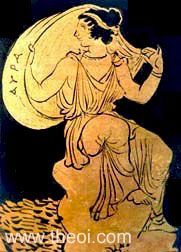
Aurai, in Greek mythology, are the divine spirits of the cool breezes and the gentle winds. They are often depicted as beautiful young women who embody the soothing and refreshing qualities of the winds. These spirits are associated with the spring and summer seasons, bringing life and vitality to the natural world. The term “Aurai” is derived from the Greek word for breeze, highlighting their connection to the air and the atmosphere. Their presence is often felt in the gentle rustling of leaves and the soft caress of wind against the skin, making them a vital part of the ancient Greek understanding of nature.
Origins of Aurai
The origins of the Aurai can be traced back to the ancient Greek belief system, which was rich with various deities and spirits. They are considered a part of the larger group of wind gods known as the Anemoi. Each of these wind gods represented different directions of the wind, and the Aurai were specifically linked to the gentle breezes that would blow from the east and the west. The Anemoi were often depicted as strong, masculine figures, while the Aurai were seen as their more delicate counterparts, emphasizing the balance between strength and gentleness in nature.
 Autolycus
In ancient texts, the Aurai are sometimes mentioned alongside other nature deities, such as the Naiads, who are water nymphs, and the
Characteristics of Aurai
The Aurai are often described as ethereal and enchanting beings. They are typically depicted as young maidens with flowing hair that dances in the wind. Their attire is often light and airy, reflecting their association with the breeze. In artistic representations, they are shown moving gracefully through the air, sometimes accompanied by flowers or leaves that are lifted by their gentle touch. This imagery captures the essence of their character as nurturing and life-giving spirits.
In addition to their physical beauty, the Aurai are also associated with various qualities that make them unique among other mythological figures. They are often seen as symbols of freedom and lightness, representing the idea of letting go and embracing the natural flow of life. Their gentle nature is believed to bring comfort and tranquility, making them a beloved aspect of the Greek pantheon. In many ways, the Aurai embody the idea of harmony within nature, reflecting the balance that is essential for life to thrive.
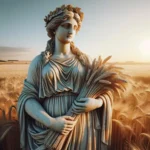 Demeter
Aurai in Literature and Art
The Aurai have been referenced in various works of literature and art throughout history. In ancient Greek poetry, they are often invoked in descriptions of nature, symbolizing the beauty and tranquility of the natural world. Poets would describe the soothing effects of the Aurai as they whispered through the trees or caressed the faces of lovers. This poetic imagery serves to enhance the romantic and serene aspects of nature, highlighting the Aurai’s role in creating a peaceful atmosphere.
In visual art, the Aurai have been depicted in various forms, from sculptures to paintings. Artists often portray them as graceful figures, surrounded by elements of nature such as flowers, leaves, and flowing water. These artistic representations emphasize their connection to the environment and their role as guardians of the natural world. The use of soft colors and flowing lines in these artworks captures the essence of the gentle breezes they represent, inviting viewers to appreciate the beauty of nature.
The Role of Aurai in Agriculture
The Aurai were not just beautiful spirits; they also played a vital role in ancient Greek agriculture. The gentle breezes they brought were essential for the growth of crops and the pollination of plants. Farmers would often pray to the Aurai, seeking their favor for a bountiful harvest. In this context, the Aurai were seen as benevolent forces that helped sustain life and ensure the prosperity of communities.
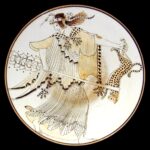 Maenads
In addition to their role in agriculture, the Aurai were also associated with the changing seasons. As the seasons transitioned from winter to spring and then to summer, the Aurai were believed to bring the refreshing winds that heralded the arrival of warmer weather. This seasonal change was crucial for farmers, as it determined the timing of planting and harvesting. The Aurai, therefore, held significant importance in the agricultural calendar of ancient Greece, influencing both the livelihood and cultural practices of the people.
Aurai and Their Relationship with Other Deities
The Aurai had various relationships with other deities in the Greek pantheon. As spirits of the winds, they were closely linked to the Anemoi, the four wind gods who represented the cardinal directions. The Anemoi were often depicted as powerful male figures, while the Aurai provided a complementary balance with their gentle nature. This dynamic between the strong winds and the soft breezes highlights the ancient Greeks’ understanding of the complexities of nature.
Additionally, the Aurai were sometimes associated with the goddess Aphrodite, the deity of love and beauty. In this context, they were seen as gentle companions who accompanied the goddess on her journeys. The presence of the Aurai added a sense of serenity and tranquility to Aphrodite’s adventures, emphasizing the idea that love and beauty are often intertwined with the soothing elements of nature.
The Cultural Significance of Aurai
The Aurai held a special place in ancient Greek culture, reflecting the society’s deep connection to nature. They were often invoked in prayers and rituals, emphasizing the importance of the natural world in daily life. Festivals celebrating the changing seasons would often include offerings to the Aurai, as people sought their blessings for good weather and abundant crops. This cultural significance highlights the reverence that the ancient Greeks had for the forces of nature and their desire to live in harmony with the environment.
Furthermore, the Aurai represent the idea of the divine feminine in Greek mythology. Their gentle and nurturing qualities serve as a reminder of the importance of balance in the world. The presence of the Aurai in myths and stories reinforces the idea that femininity is associated with nurturing and life-giving forces, contrasting with the more aggressive and dominant traits often attributed to male deities. This balance is crucial for understanding the complexities of the Greek pantheon and the values held by ancient Greek society.
Aurai in Modern Culture
In modern culture, the legacy of the Aurai can still be felt in various forms. Their representation as gentle spirits of the breeze continues to inspire artists, writers, and musicians. Many contemporary works of art draw upon the imagery of the Aurai, using their essence to convey themes of tranquility, beauty, and the interconnectedness of nature. This enduring influence highlights the timeless appeal of the Aurai and their role as symbols of harmony in the natural world.
Moreover, the concept of the Aurai has found its way into literature and popular culture, where they are often depicted as ethereal beings with the power to influence the weather and the environment. This portrayal resonates with audiences, as it reflects a deep-seated appreciation for the beauty of nature and the importance of preserving the delicate balance of the ecosystem. The Aurai, as representations of the gentle breezes, serve as a reminder of the significance of nature in our lives.
As we explore the rich tapestry of Greek mythology, the Aurai stand out as enchanting spirits that embody the beauty and serenity of the natural world. Their gentle breezes and nurturing qualities remind us of the importance of balance and harmony in our lives. The legacy of the Aurai continues to inspire and resonate with people, serving as a testament to the enduring power of mythology and its connection to the natural environment.