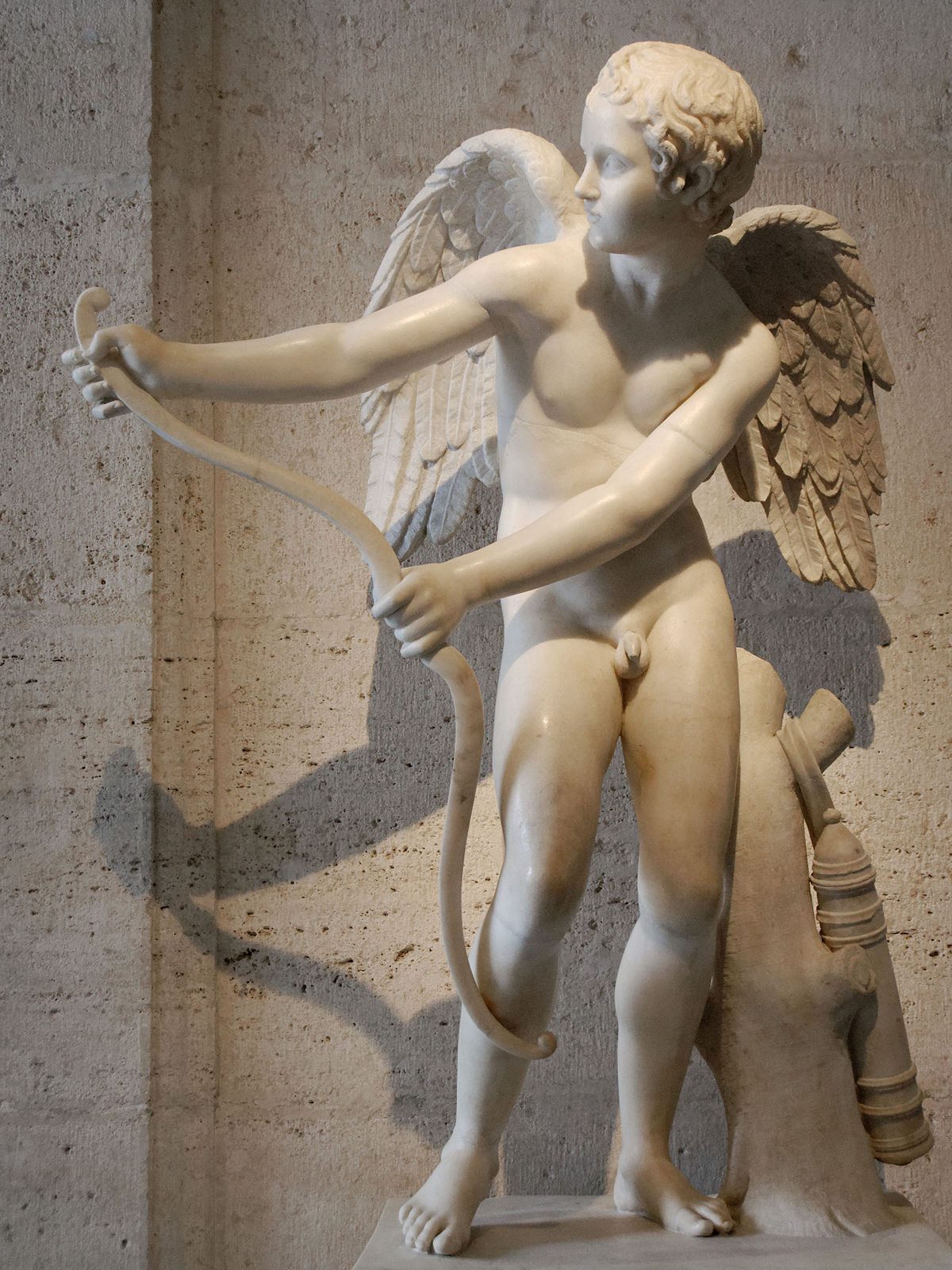
In Roman mythology, Cupid is one of the most well-known deities associated with love and desire. Often depicted as a young boy with wings, Cupid carries a bow and arrows that have the power to make individuals fall in love. His role in mythology is not just limited to causing romantic connections; he embodies the complexities of love itself, which can be both beautiful and painful. This article will explore the various aspects of Cupid, including his origins, symbolism, and significance in Roman culture.
Origins of Cupid
Cupid’s origins can be traced back to the earlier Greek god known as Eros. In Greek mythology, Eros is often portrayed as a handsome young man, representing the physical aspect of love. However, when the Romans adopted Eros into their mythology, he transformed into Cupid, who is generally depicted as a chubby child. This change reflects the Roman emphasis on the playful and mischievous nature of love. The adaptation of Eros into Cupid signifies how different cultures interpret similar concepts through unique lenses.
 Decima
In Roman texts, Cupid is often referred to as the son of Venus, the goddess of love. This mother-son relationship adds depth to Cupid’s character, as it places him under the influence of one of the most powerful deities in the Roman pantheon. Venus herself is known for her beauty and charm, which further emphasizes Cupid’s role as a facilitator of love and attraction. His lineage connects him not only to love but also to beauty, desire, and even chaos.
As a child of Venus, Cupid’s character is often seen as a reflection of the dual nature of love. On one hand, love can be tender and nurturing, while on the other, it can be tumultuous and unpredictable. This duality is illustrated in many myths where Cupid’s actions lead to both joyous unions and tragic separations. His origins serve to remind us that love is not a straightforward emotion; it is filled with complexities that can change lives forever.
Symbolism of Cupid
 Manes
ManesCupid is rich in symbolism, making him a fascinating figure in Roman mythology. His bow and arrows are perhaps his most recognizable attributes. The arrows represent the power to incite love, but they also symbolize the unpredictability of desire. Some arrows are said to cause intense love, while others can lead to unrequited feelings. This duality in the arrows serves as a reminder that love can be both a blessing and a curse, often leading to unexpected outcomes.
Additionally, Cupid is often portrayed with wings, symbolizing the lightness and freedom that love can bring. The ability to fly signifies how love can elevate individuals, allowing them to escape the mundane realities of life. However, this same freedom can also lead to a lack of grounding, resulting in reckless behavior driven by passion. The wings represent the ethereal nature of love, which can be uplifting yet fleeting.
Another important symbol associated with Cupid is his blindfold. The blindfold signifies the irrational and often unpredictable nature of love. When someone is in love, they may overlook flaws or ignore warning signs, acting without full awareness. This element of Cupid’s portrayal emphasizes that love can cloud judgment, making individuals vulnerable to both joy and heartache. The blindfold serves as a poignant reminder that love is not always logical or rational.
 Penates
Cupid in Roman Literature
Cupid appears in various works of Roman literature, often serving as a central figure in stories that explore themes of love and desire. One of the most notable texts is “Metamorphoses” by the Roman poet Ovid. In this epic poem, Cupid plays a crucial role in the story of Psyche, a mortal woman who becomes the object of his affection. The tale explores the trials and tribulations of love, highlighting the challenges faced by both Cupid and Psyche as they navigate their relationship.
In Ovid’s narrative, Cupid falls in love with Psyche, but their relationship is fraught with obstacles. Psyche’s beauty attracts the attention of Venus, who becomes jealous and tries to sabotage their love. This conflict between Venus and Cupid showcases the complexities of love, where external forces can create challenges. The story ultimately culminates in Psyche’s transformation and her eventual union with Cupid, symbolizing the triumph of love over adversity.
Another significant reference to Cupid can be found in the works of the poet Catullus, who often wrote about the pain and joy of love. His poetry frequently features Cupid as a playful yet dangerous figure, emphasizing the emotional rollercoaster that love can bring. Through these literary works, Cupid serves as a symbol of the universal experience of love, resonating with audiences across generations.
Cupid’s Influence on Art and Culture
Cupid has had a profound impact on art and culture throughout history. His image has been used in countless paintings, sculptures, and other artistic forms, often symbolizing love and romance. During the Renaissance, artists like Antonio Allegri da Correggio and Peter Paul Rubens depicted Cupid in various scenes, often alongside Venus, to convey themes of love and beauty. These artworks reflect the idealization of love and the romantic sentiments that were prevalent during this period.
In addition to visual arts, Cupid has also influenced literature and music. Many poets and songwriters have drawn inspiration from Cupid’s character, using him as a metaphor for the joys and struggles of love. His playful yet poignant nature makes him an enduring figure in romantic poetry, often representing the bittersweet essence of love. From Shakespeare to modern song lyrics, Cupid’s influence can be seen across different genres and forms of expression.
Cupid’s image has also been commercialized in contemporary culture, especially around Valentine’s Day. The figure of Cupid is often used in cards, decorations, and gifts, symbolizing love and affection. This commercialization has helped to keep Cupid relevant in modern society, as people continue to celebrate love in various forms. His playful and whimsical representation resonates with audiences, reminding them of the joy that love can bring.
Cupid and Modern Interpretations
In modern times, Cupid has evolved into a more multifaceted symbol of love. While he still represents romantic love, he has also come to embody the broader aspects of human connection and affection. The idea of love is no longer confined to just romantic relationships; it encompasses friendships, familial bonds, and self-love. Cupid’s image has adapted to reflect these changes, making him a versatile symbol in contemporary discussions about love.
Many modern interpretations of Cupid focus on the idea of self-acceptance and the importance of loving oneself before seeking love from others. This shift in perspective emphasizes that love is not just about romantic pursuits but also about nurturing a positive relationship with oneself. Cupid’s role in this narrative is to inspire individuals to embrace their own worth and value, fostering a sense of inner love that can enhance all types of relationships.
Moreover, Cupid’s character has been reimagined in popular culture, often depicted in movies, television shows, and literature. These portrayals vary from traditional representations to more modern takes that explore the complexities of love in today’s society. Whether as a mischievous child or a more mature figure, Cupid continues to be a relatable symbol of love’s many dimensions, reflecting the ever-evolving nature of human emotions.
Cupid remains a timeless symbol of love in Roman mythology, representing the complexities and dualities of this powerful emotion. His origins, symbolism, and influence on literature and art have cemented his place in cultural history. As society continues to evolve, so does the interpretation of Cupid, reflecting the diverse experiences of love that people encounter. Whether through ancient texts or modern expressions, Cupid’s legacy endures, reminding us of the profound impact love has on our lives.