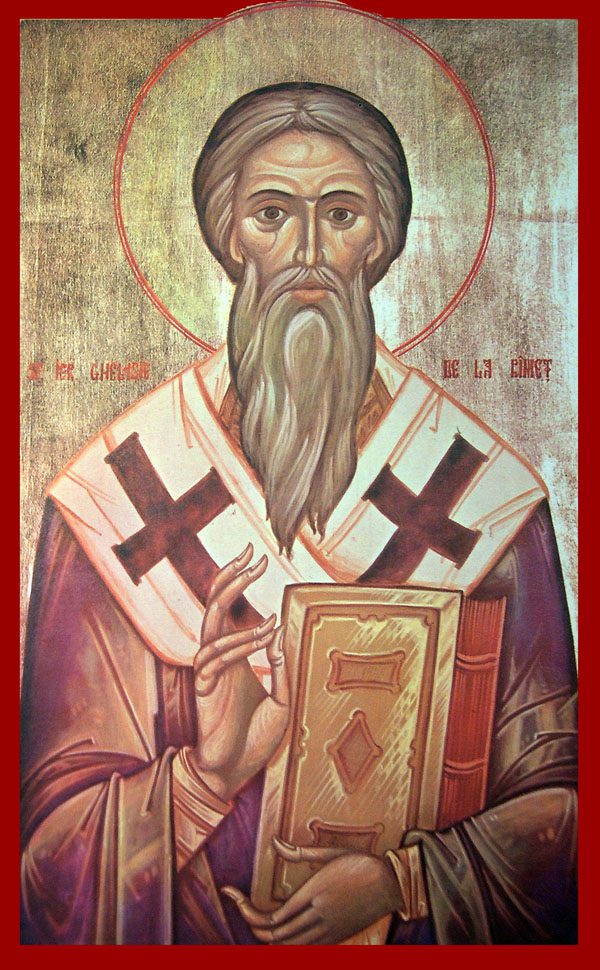
St. Gelasius I was a significant figure in the early Christian Church, serving as the Pope from 492 to 496 AD. His papacy came during a time of great transition and development within the Christian community. Gelasius I is known for his strong stance on the authority of the papacy and the importance of church traditions. He played a crucial role in shaping the relationship between the church and the state, particularly in the context of the Roman Empire. His teachings and decisions had a lasting impact on the Christian doctrine and the governance of the Church.
The Early Life of St. Gelasius I
Although much of St. Gelasius I’s early life remains shrouded in mystery, it is believed that he was born in Rome around the late 5th century. His background was likely of Roman descent, and he may have been educated in the traditions of the Church. Gelasius was well-versed in the theological debates of his time, which prepared him for his future role as a leader of the Christian community. Education in theology and scripture was crucial during this period, as the Church was facing numerous challenges, including heresies and the integration of pagan traditions.
 St. Gall
As a young man, Gelasius was known for his piety and dedication to the Christian faith. He became a deacon and served under Pope Felix III, where he gained valuable experience in church administration and governance. His close relationship with Felix III likely influenced his views on papal authority and the importance of maintaining the Church’s integrity in the face of external pressures. Gelasius’s rise within the Church hierarchy was marked by his commitment to preserving the teachings of Christ and defending the faith against various challenges.
The Papacy of St. Gelasius I
St. Gelasius I ascended to the papacy in 492 AD, during a tumultuous period for the Church. His election was significant, as he became one of the first popes to assert the independence of the Church from secular authority. Gelasius believed that the Church should have a distinct role separate from the state, which was a radical idea at the time. He emphasized the need for the Church to maintain its spiritual authority, free from political interference. This stance would shape the future relationship between the papacy and the Roman Empire.
 St. Fursey
During his papacy, Gelasius I addressed several critical issues, including the growing influence of the Eastern Church and the challenges posed by various heretical movements. He was a strong advocate for the orthodox faith and worked diligently to combat heresies that threatened the unity of the Church. One of his notable contributions was the issuance of the Gelasian Decree, which outlined the criteria for the acceptance of texts within the Christian canon. This decree played a vital role in establishing the foundational texts of the Church.
Theological Contributions
St. Gelasius I is remembered for his theological contributions, particularly regarding the nature of Christ and the relationship between the divine and human. He emphasized the importance of understanding the dual nature of Christ as both fully divine and fully human. This understanding was crucial in countering various heretical views that denied one aspect of Christ’s nature. Gelasius’s teachings helped to clarify the Church’s position on Christology, paving the way for future theological discussions.
Additionally, Gelasius was instrumental in promoting the concept of papal supremacy. He argued that the pope held a unique position as the representative of Christ on Earth, and therefore, his authority should not be questioned. This idea would later become a cornerstone of Catholic doctrine, reinforcing the pope’s role as the spiritual leader of the Church. Gelasius’s writings and teachings laid the groundwork for the development of papal authority in subsequent centuries.
 St. Fulgentius Of Ruspe
Political Challenges
The papacy of St. Gelasius I was not without its challenges, particularly in the realm of politics. The relationship between the Church and the Roman Empire was complex, and Gelasius had to navigate this delicate balance. He faced opposition from various political leaders who sought to exert control over the Church. Gelasius was firm in his belief that the Church should not be subordinate to secular authorities, which often led to tensions between the papacy and the imperial government.
One of the most notable political challenges during Gelasius’s papacy was his confrontation with the Eastern Roman Emperor, Anastasius I. The emperor’s policies regarding the Monophysite controversy posed a significant threat to the unity of the Church. Gelasius responded by issuing a letter to the emperor, asserting the independence of the Church and urging him to respect its authority. This letter exemplified Gelasius’s commitment to the Church’s autonomy and his willingness to stand firm against political pressures.
The Legacy of St. Gelasius I
The legacy of St. Gelasius I is profound and enduring. His contributions to the Church’s theology, governance, and relationship with secular authority have left a lasting impact on Christianity. Gelasius’s emphasis on the importance of papal supremacy and the independence of the Church set a precedent for future popes. His teachings on the dual nature of Christ helped to clarify key theological concepts that continue to be central to Christian doctrine today.
Moreover, Gelasius’s commitment to defending the faith against heresies contributed to the strengthening of the Church’s position in a rapidly changing world. His efforts to establish a clear canon of scripture helped to unify the Christian community and provide a foundation for future generations. The Gelasian Decree remains a significant historical document, illustrating the early Church’s struggle to define its beliefs and practices.
St. Gelasius I in Christian Mythology
In the realm of Christian mythology, St. Gelasius I is often regarded as a symbol of the struggle for religious authority and the defense of orthodoxy. His life and teachings have been the subject of various legends and stories that highlight his unwavering commitment to the faith. Many Christians view Gelasius as a model of leadership, emphasizing the importance of maintaining the integrity of the Church in the face of external challenges.
Additionally, Gelasius is often associated with the concept of divine guidance in the governance of the Church. His belief in the necessity of spiritual authority has inspired countless leaders throughout history to uphold the values of the Christian faith. The stories surrounding St. Gelasius I serve as reminders of the ongoing struggle between faith and politics, a theme that resonates throughout Christian history.
Feast Day and Veneration
St. Gelasius I is commemorated in the Christian calendar, with his feast day celebrated on November 21. This day serves as an opportunity for Christians to reflect on his contributions to the Church and to honor his legacy. Many churches hold special services or masses in his memory, emphasizing the importance of his teachings and the impact he had on the development of Christian doctrine.
In addition to his feast day, St. Gelasius I is venerated by many Christians, particularly within the Catholic Church. His life and teachings are often referenced in discussions about the authority of the papacy and the importance of defending the faith against heretical influences. The veneration of St. Gelasius I serves as a reminder of the ongoing relevance of his contributions to the Church and the importance of maintaining the integrity of Christian beliefs.
Influence on Later Popes
The influence of St. Gelasius I extended far beyond his papacy, shaping the actions and beliefs of subsequent popes. His strong stance on papal authority and independence set a standard for future leaders of the Church. Many popes who followed Gelasius looked to his example when addressing issues of church governance and the relationship between the Church and the state.
For instance, the principles established by Gelasius regarding the autonomy of the Church would later be echoed by popes such as Gregory I and Leo IX. These leaders continued to assert the importance of papal supremacy and the need for the Church to remain free from secular control. Gelasius’s teachings on the nature of Christ also influenced later theological discussions, contributing to the development of Christological doctrine in the centuries that followed.
St. Gelasius I in Art and Literature
The legacy of St. Gelasius I has also been reflected in various forms of art and literature throughout history. Artists and writers have drawn inspiration from his life and teachings, depicting him as a figure of strength and conviction in the face of adversity. Many artistic representations highlight his role as a defender of the faith, showcasing his commitment to upholding the teachings of Christianity.
In literature, St. Gelasius I has been referenced in various theological texts and historical accounts. His contributions to the Church have been analyzed and celebrated by theologians and historians alike, reinforcing his importance in the narrative of Christian history. The stories and writings about Gelasius serve to inspire future generations to uphold the values of the Christian faith and to remain steadfast in their beliefs.
St. Gelasius I remains a vital figure in the history of Christianity, representing the early Church’s struggle for authority and integrity. His teachings, political challenges, and theological contributions continue to resonate with Christians today. The impact of his papacy is felt not only in the governance of the Church but also in the ongoing discussions surrounding the relationship between faith and politics. As we reflect on the life of St. Gelasius I, we are reminded of the importance of maintaining the integrity of our beliefs and the need for strong leadership within the Christian community.