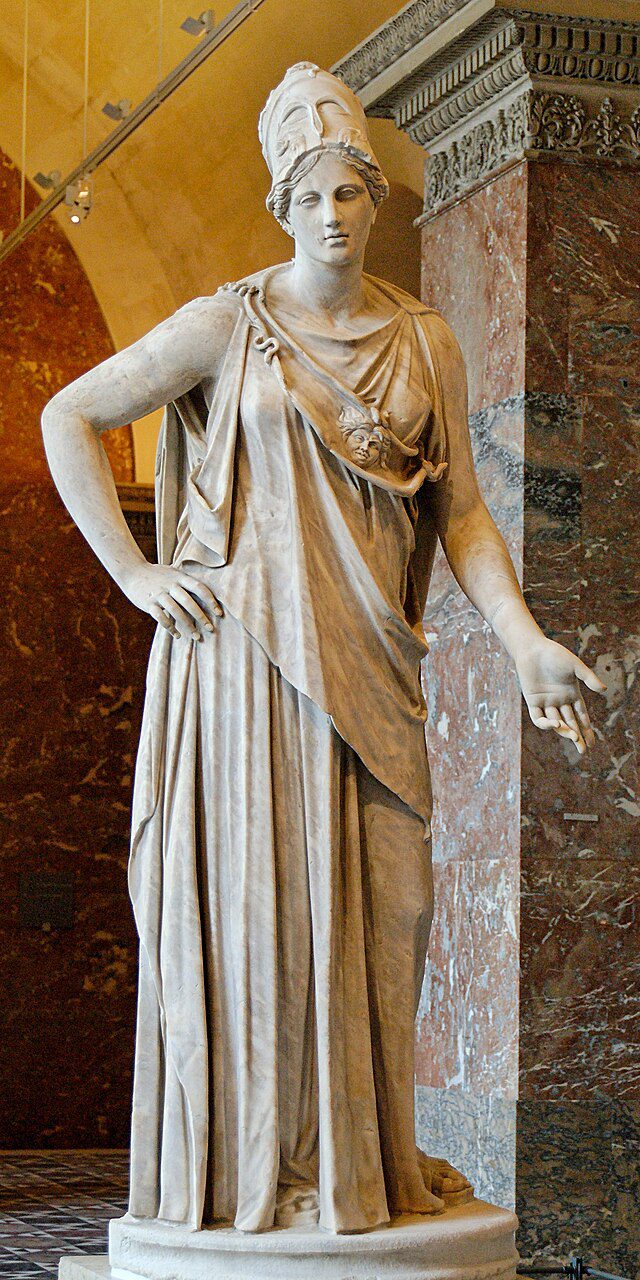
Athena is one of the most important figures in Greek mythology. She is known as the goddess of wisdom, warfare, and crafts. Athena is often depicted as a strong and intelligent woman, embodying the ideals of both strength and knowledge. She was born fully grown and armored from the forehead of her father, Zeus, which symbolizes her connection to intellect and strategy. Throughout ancient Greek stories, Athena plays a crucial role, offering guidance and support to heroes and influencing the outcomes of various battles and quests.
The Birth of Athena
The birth of Athena is one of the most fascinating tales in Greek mythology. According to the myth, Zeus, the king of the gods, received a prophecy that his first child with Metis, the goddess of wisdom, would be more powerful than him. Fearing that this child would overthrow him, Zeus swallowed Metis while she was pregnant. Later, Zeus began to suffer from a terrible headache. To relieve his pain, he called upon Hephaestus, the god of blacksmiths, to split open his head with an axe. To everyone’s astonishment, Athena emerged fully grown and armed, symbolizing her role as a goddess of war and wisdom.
 Pleiades
This dramatic birth illustrates several important themes in Greek mythology. First, it highlights the fear of losing power that often drives the actions of the gods. Zeus’s decision to swallow Metis reflects his desire to maintain control over his destiny. Second, Athena’s emergence from Zeus’s head signifies the close relationship between intellect and strength. Unlike other gods who represent brute force, Athena embodies a more strategic approach to warfare and conflict.
Athena’s Attributes and Symbols
Athena is associated with various attributes and symbols that reflect her multifaceted nature. One of the most prominent symbols of Athena is the owl, which represents wisdom and knowledge. The owl is often depicted alongside her in ancient art, reinforcing her connection to intellectual pursuits. Additionally, the olive tree is another important symbol of Athena. According to mythology, she gifted the olive tree to the city of Athens, providing its citizens with food, oil, and wood, thus establishing her as the city’s protector and benefactor.
 Atlas
AtlasAnother key attribute of Athena is her armor. She is often depicted wearing a helmet and carrying a shield, known as the Aegis. The Aegis is adorned with the head of the Gorgon Medusa, which is said to protect its bearer from harm. Athena’s warrior aspect is balanced by her role as a goddess of crafts and weaving, which showcases her creativity and skill. This duality makes her a unique figure in Greek mythology, representing both the power of warfare and the beauty of the arts.
Athena and the City of Athens
Athena is particularly famous for her association with the city of Athens, which was named in her honor. The myth of Athena and Poseidon’s competition for the city’s patronage is well-known. Both gods sought to provide the people of Athens with a valuable gift. Poseidon struck the ground with his trident, creating a saltwater spring, while Athena offered the olive tree. The citizens of Athens, recognizing the greater utility of the olive tree, chose Athena as their patron goddess. This decision not only established her as the protector of the city but also highlighted the value of wisdom and resourcefulness over mere power.
The Parthenon, a magnificent temple on the Acropolis of Athens, was built in honor of Athena. It serves as a testament to her importance in the city and Greek culture as a whole. The Parthenon is adorned with stunning sculptures and friezes that depict various myths and stories related to Athena. This temple not only represents the artistic achievements of ancient Greece but also serves as a reminder of the deep respect and reverence that the people had for their goddess.
 Atropos
Athena in Mythology
Athena plays a significant role in many myths and legends, often acting as a mentor or guide to heroes. One of the most famous stories involving Athena is that of Odysseus in Homer’s “The Odyssey.” Throughout Odysseus’s long journey home after the Trojan War, Athena provides him with wisdom and assistance. She helps him navigate various challenges, including encounters with mythical creatures and hostile gods. Her guidance is crucial in helping Odysseus reclaim his place in Ithaca and reunite with his family.
Another notable myth is the story of Perseus and Medusa. Athena aids Perseus in his quest to slay Medusa, providing him with a reflective shield to avoid her deadly gaze. This illustrates Athena’s role as a protector of heroes and her commitment to justice. In this story, she not only supports Perseus but also demonstrates her own strength and cunning in battle. Such narratives highlight the importance of Athena as a deity who embodies both strategic warfare and intellectual prowess.
Athena’s Influence on Arts and Culture
Athena’s influence extends beyond mythology into the realms of arts and culture. As the goddess of crafts and wisdom, she inspired many artists, philosophers, and thinkers throughout history. Her attributes are often reflected in the works of ancient Greek pottery, sculpture, and literature. For example, many vases depict scenes of Athena interacting with heroes or engaging in various activities that showcase her skills.
In addition to visual arts, Athena’s influence can be seen in literature and philosophy. Ancient Greek philosophers often invoked her wisdom when discussing complex ideas and moral dilemmas. She represents the ideal of intellectual pursuit, encouraging individuals to seek knowledge and understanding. This connection to philosophy is particularly significant, as it highlights the importance of critical thinking and rationality in Greek culture.
Athena in Modern Culture
Even today, Athena continues to be a symbol of strength, wisdom, and empowerment. Her image and attributes are often used in various forms of media, including literature, films, and video games. Many modern works draw inspiration from her character, portraying strong female figures who embody similar qualities. For example, in contemporary literature, characters that resemble Athena often exhibit intelligence, strategic thinking, and leadership skills.
Furthermore, Athena’s legacy can be seen in educational institutions and organizations that emphasize knowledge and learning. Many schools and universities use her image as a representation of their commitment to academic excellence. This enduring influence speaks to the lasting impact of Athena on society, as her ideals continue to resonate with people across generations.
The Legacy of Athena
The legacy of Athena is deeply rooted in the cultural and historical fabric of ancient Greece. Her stories and attributes have shaped the way people view wisdom, warfare, and the arts. The ancient Greeks revered her as a powerful deity who embodied the ideal balance between strength and intellect. As a result, Athena has become a lasting symbol of the pursuit of knowledge and the importance of strategic thinking in overcoming challenges.
Today, Athena remains a prominent figure in discussions about gender roles and female empowerment. Her character challenges traditional notions of femininity, presenting a strong and capable woman who excels in both intellectual and martial pursuits. This duality serves as an inspiration for modern discussions about women’s roles in society, encouraging individuals to embrace their strengths and pursue their passions, regardless of societal expectations.
Athena’s Festivals and Worship
The ancient Greeks celebrated Athena with various festivals, the most famous being the Panathenaea. This festival was held annually in Athens and included a grand procession, athletic competitions, and cultural events. The Panathenaea honored Athena as the city’s protector and celebrated the unity of the Athenian people. Participants would carry a new peplos (a ceremonial robe) to the Parthenon, symbolizing their devotion to the goddess.
Worship of Athena extended beyond Athens, as she was revered in various regions of Greece. Temples dedicated to her were built in numerous cities, each celebrating her unique attributes and aspects. These temples served as places of worship, where people would come to offer sacrifices and seek her guidance. The dedication to Athena reflects the deep respect the ancient Greeks had for her, recognizing her influence in their lives and society.
Athena is a complex and multifaceted figure in Greek mythology. Her stories and attributes continue to inspire and influence people today. As a goddess of wisdom, warfare, and crafts, she represents the ideal balance between strength and intellect. From her dramatic birth to her role as a protector of heroes, Athena’s legacy endures, reminding us of the importance of knowledge, strategy, and creativity in overcoming life’s challenges.