
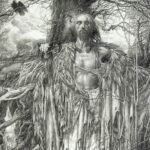
The Dagda is one of the most significant figures in Irish mythology, often regarded as a powerful god and leader among the Tuatha Dé Danann, the mythical race of gods and heroes in ancient Ireland. He is known for his immense strength, wisdom, and magical abilities. The Dagda is often depicted as a large, jovial man with a big belly, symbolizing abundance and fertility. His character embodies various aspects of life, including agriculture, music, and warfare, making him a multifaceted figure in Irish folklore.
Origins of Dagda
The origins of the Dagda are deeply rooted in Irish mythology, and he is considered one of the principal deities in the Tuatha Dé Danann. According to various myths, he is the son of the god Elatha and a member of the royal family of the Tuatha Dé Danann. His lineage connects him to other significant deities, highlighting the rich tapestry of relationships among the gods in Irish lore. The Dagda is often referred to as the “Good God,” a title that reflects his benevolent nature and his role as a protector of the people.
The myths surrounding the Dagda suggest that he was born in a time of great strife and conflict among the gods. His birth was seen as a blessing, as he was destined to lead and protect his people. The Dagda’s character is a blend of various attributes that make him a unique and compelling figure. He is often associated with the earth and nature, embodying the cycles of life, death, and rebirth. This connection to nature is significant, as it underscores the importance of the land and its resources in Irish culture.
Dagda’s Attributes and Symbols
The Dagda is known for several key attributes and symbols that define his character in Irish mythology. One of the most notable symbols associated with him is his magical staff, which has the power to both create and destroy. This staff symbolizes his authority and control over life and death, showcasing his dual nature as a god of fertility and a warrior. The Dagda’s staff is often depicted as a large club, representing his strength and ability to protect his people.
 Airmid
Another important symbol of the Dagda is his cauldron, known as the Cauldron of Plenty. This cauldron is said to provide endless food and sustenance to those who seek it, embodying the themes of abundance and generosity. The cauldron represents the Dagda’s role as a provider and nurturer, emphasizing his importance in the lives of the Tuatha Dé Danann. It is often depicted as a source of nourishment and comfort, reflecting the idea that the Dagda is a guardian of both the land and its people.
Dagda’s Magical Abilities
The Dagda possesses a range of magical abilities that set him apart from other figures in Irish mythology. His most famous ability is his power to control the weather, which he uses to ensure bountiful harvests and favorable conditions for his people. This ability highlights his connection to agriculture and the land, emphasizing his role as a fertility god. The Dagda’s control over the elements showcases his importance as a deity who can influence the natural world.
- Weather Control: The Dagda can summon rain, sunshine, and storms to aid his people.
- Healing Powers: He is known for his ability to heal wounds and ailments, further establishing him as a protector.
- Shape-Shifting: The Dagda can transform into various forms, allowing him to adapt to different situations.
In addition to his control over the weather, the Dagda is also known for his healing powers. He possesses knowledge of herbs and potions that can cure illnesses and injuries, making him a vital figure in the mythology of healing and medicine. This aspect of his character reinforces the idea that he is a guardian of life and health, further solidifying his importance among the Tuatha Dé Danann.
 Ainge
AingeDagda in Irish Myths
The Dagda appears in numerous Irish myths, each showcasing different aspects of his character and abilities. One of the most famous stories involving the Dagda is the Battle of Mag Tuired, where he plays a crucial role in the conflict between the Tuatha Dé Danann and the Fomorians, a race of monstrous beings. In this battle, the Dagda uses his magical staff and abilities to lead his people to victory, demonstrating his prowess as a warrior and protector.
Another significant myth featuring the Dagda is the story of his relationship with the goddess Brigid. In this tale, the Dagda is portrayed as a father figure to Brigid, who is also a powerful deity associated with fertility, healing, and poetry. Their relationship symbolizes the interconnectedness of different aspects of life and the balance between strength and nurturing. The Dagda’s connection to Brigid highlights his role as a father and protector, reinforcing his importance in the pantheon of Irish gods.
Dagda’s Influence on Irish Culture
The influence of the Dagda extends beyond mythology and into Irish culture and traditions. His character embodies the values of strength, wisdom, and generosity that are celebrated in Irish folklore. The Dagda’s attributes resonate with the people, making him a beloved figure in stories and songs. His portrayal as a jovial and benevolent god reflects the cultural appreciation for humor and joy, reinforcing the idea that the gods are not just powerful beings but also relatable figures.
- Festivals: Many traditional Irish festivals celebrate the Dagda and his connection to the harvest and the changing seasons.
- Folklore: Stories about the Dagda are often shared in Irish folklore, keeping his legacy alive in modern times.
- Art and Literature: The Dagda has inspired various forms of art, literature, and music, showcasing his enduring impact on Irish culture.
Festivals celebrating the Dagda often revolve around the themes of harvest and abundance, reflecting his role as a fertility god. These celebrations include music, dance, and feasting, embodying the joy and community spirit that the Dagda represents. The stories and songs about the Dagda continue to be passed down through generations, ensuring that his legacy remains a vibrant part of Irish cultural heritage.
Dagda’s Legacy in Modern Times
In modern times, the Dagda’s legacy continues to resonate within Irish culture and beyond. His character has inspired numerous works of literature, art, and music, reflecting the ongoing fascination with Irish mythology. Many contemporary artists and writers draw upon the rich tapestry of stories surrounding the Dagda, infusing their works with themes of strength, wisdom, and the importance of community.
Furthermore, the Dagda has become a symbol of Irish identity, representing the resilience and spirit of the Irish people. His stories serve as a reminder of the deep connection between the land, its resources, and the people who inhabit it. As Ireland continues to evolve, the Dagda remains a beloved figure, embodying the values and traditions that are central to Irish culture.
Exploring Dagda’s Role in Contemporary Society
The role of the Dagda in contemporary society can be seen in various aspects of cultural expression. Festivals and events celebrating Irish heritage often feature themes related to the Dagda, highlighting his importance in the collective memory of the Irish people. These celebrations foster a sense of community and connection to the past, allowing individuals to engage with their cultural roots.
- Storytelling: Modern storytelling events often include tales of the Dagda, preserving the oral tradition of Irish mythology.
- Art Exhibitions: Many artists create works inspired by the Dagda, showcasing his influence on contemporary art.
- Literature: Novels and poetry continue to explore the themes associated with the Dagda, reflecting his enduring impact.
Storytelling remains a vital part of Irish culture, and modern events often feature tales of the Dagda as a way to connect with the past. These stories not only entertain but also educate audiences about the rich mythology that has shaped Irish identity. Additionally, art exhibitions showcasing works inspired by the Dagda highlight the continued relevance of his character in contemporary creative expression.
The Dagda and Nature
The Dagda’s connection to nature is a significant aspect of his character in Irish mythology. As a god of fertility and abundance, he is often associated with the land, its resources, and the cycles of nature. This connection underscores the importance of agriculture and the environment in the lives of the Tuatha Dé Danann and, by extension, the Irish people. The Dagda’s presence in nature serves as a reminder of the interdependence between humans and the earth.
In many myths, the Dagda is depicted as a guardian of the land, ensuring that it remains fertile and productive. His control over the weather and seasons reinforces his role as a deity who nurtures and protects the natural world. This aspect of his character resonates with the Irish cultural reverence for the land, emphasizing the belief that the gods play an active role in shaping the environment.
Dagda’s Role in Environmental Awareness
In contemporary discussions about environmental issues, the Dagda’s connection to nature can serve as a powerful symbol for environmental awareness and sustainability. His character embodies the idea that humans must respect and care for the land, recognizing the delicate balance between nature and society. The Dagda’s role as a protector of the earth can inspire individuals to take action in preserving the environment for future generations.
- Sustainability Initiatives: Many organizations draw upon the Dagda’s legacy to promote sustainable practices and environmental stewardship.
- Education: Schools and community programs incorporate stories of the Dagda to teach children about the importance of caring for the earth.
- Activism: Environmental activists often reference mythological figures like the Dagda to highlight the connection between culture and ecology.
By invoking the Dagda’s legacy, sustainability initiatives can foster a deeper understanding of the importance of caring for the environment. Educational programs that incorporate stories of the Dagda help instill values of respect and responsibility toward nature in younger generations. Additionally, activists may reference the Dagda to draw parallels between ancient beliefs and contemporary environmental challenges, emphasizing the timeless relevance of mythology in addressing modern issues.
Dagda’s Influence on Art and Literature
The influence of the Dagda extends into the realms of art and literature, where his character serves as a source of inspiration for countless creators. From traditional folklore to contemporary novels, the Dagda’s attributes and stories resonate with audiences, reflecting universal themes of strength, wisdom, and the importance of community. Artists often depict the Dagda in various forms, showcasing his multifaceted nature and the rich symbolism associated with his character.
In literature, the Dagda is often portrayed as a wise and benevolent figure, embodying the values that are central to Irish culture. His stories serve as cautionary tales and moral lessons, reinforcing the idea that strength must be balanced with compassion. Writers draw upon the Dagda’s character to explore themes of identity, community, and the relationship between humans and the divine.
Modern Interpretations of Dagda
Modern interpretations of the Dagda often seek to reimagine his character in new contexts, reflecting contemporary values and issues. Authors and artists may reinterpret his stories to address themes such as gender, identity, and social justice. These reinterpretations allow the Dagda to remain relevant in today’s society, demonstrating the adaptability of mythological figures across time and culture.
- Literary Reimaginings: Many contemporary authors incorporate the Dagda into their works, exploring new narratives and themes.
- Artistic Expressions: Artists often experiment with visual representations of the Dagda, infusing traditional imagery with modern aesthetics.
- Film and Media: The Dagda has appeared in various films and media, bringing his character to a wider audience.
These modern interpretations serve to keep the Dagda’s legacy alive, ensuring that his character continues to resonate with audiences. By exploring new narratives and contexts, creators can breathe new life into ancient stories, making them accessible and relevant to contemporary society. The Dagda’s enduring influence on art and literature highlights the power of mythology to inspire and connect people across generations.