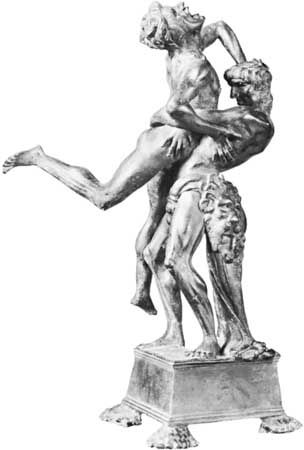
In Greek mythology, Antaeus is a fascinating figure known for his incredible strength and his connection to the earth. He is often depicted as a giant who was invincible as long as he remained in contact with his mother, Gaia, the Earth itself. This unique characteristic makes him a compelling subject in the study of Greek myths and legends. Antaeus is not just a symbol of brute strength; he represents the deep bond between humanity and nature. His stories often carry deeper meanings and moral lessons, reflecting the values and beliefs of ancient Greek society.
The Origins of Antaeus
Antaeus was born to Poseidon, the god of the sea, and Gaia, the goddess of the earth. His lineage ties him to powerful deities, giving him a formidable presence in Greek mythology. According to various myths, Antaeus lived in the region of Libya, where he was known as a fearsome wrestler. He challenged travelers to contests of strength, defeating them and using their skulls to build a temple in honor of his father, Poseidon. This gruesome act emphasizes his ruthless nature and his desire to honor the gods through acts of violence.
One of the key elements of Antaeus’s strength was his constant contact with the earth. Every time he was thrown to the ground, he would draw power from Gaia, making him nearly invincible. This connection to the earth symbolizes the idea that true strength comes from nature. It also reflects the ancient Greek belief in the importance of the land and its resources. In a way, Antaeus embodies the power of the natural world and its ability to nurture and sustain life.
The Myth of Antaeus and Hercules
The most famous story involving Antaeus is his battle with Hercules, one of the greatest heroes in Greek mythology. Hercules was tasked with completing twelve labors, one of which involved defeating Antaeus. When Hercules encountered Antaeus, he initially struggled to defeat the giant due to Antaeus’s connection to the earth. Every time Hercules lifted him off the ground, Antaeus would regain his strength upon returning to the earth.
 Anticlea
Realizing that he could not win the battle through brute force alone, Hercules devised a clever strategy. He lifted Antaeus high into the air, breaking his connection with the ground. Without the support of Gaia, Antaeus became weak and vulnerable. This moment in the myth highlights the importance of strategy and intelligence in overcoming challenges. Hercules ultimately crushed Antaeus, demonstrating that strength must be complemented by wisdom.
The Symbolism of Antaeus
Antaeus symbolizes various themes within Greek mythology. His connection to the earth represents the interdependence of humanity and nature. The idea that he could only be defeated when separated from the ground reflects the belief that nature is a source of strength and resilience. In a broader sense, Antaeus can be seen as a reminder of the consequences of ignoring our connection to the natural world. The myth serves as a warning against the hubris of believing that one can conquer nature without understanding its importance.
Additionally, Antaeus embodies the struggle between civilization and the primal forces of nature. As a giant, he represents untamed power, while Hercules symbolizes the order and control of human civilization. Their battle can be interpreted as a clash between these two forces, emphasizing the need for balance. The story of Antaeus and Hercules encourages readers to reflect on their relationship with the environment and the importance of respecting the natural world.
 Antiope
Antaeus in Literature and Art
Antaeus has been a subject of interest in various forms of literature and art throughout history. Many ancient artists and writers depicted his story, illustrating the dramatic encounter between him and Hercules. In literature, poets often used Antaeus as a metaphor for strength derived from nature. His character has appeared in works by famous authors, showcasing the timeless relevance of his story.
In visual art, Antaeus is frequently portrayed as a massive figure engaged in combat. Artists often emphasize his muscular build and fierce expression, highlighting his formidable nature. The imagery of Hercules lifting Antaeus above the ground captures the pivotal moment of their battle, symbolizing the triumph of human ingenuity over raw power. These artistic representations serve to immortalize Antaeus’s story, allowing new generations to engage with the themes of strength, nature, and the human experience.
Lessons from the Myth of Antaeus
The myth of Antaeus offers valuable lessons that are still relevant today. One of the key takeaways is the importance of respecting nature. Antaeus’s defeat underscores the idea that humanity must work in harmony with the natural world rather than trying to dominate it. This lesson is particularly significant in today’s context, where environmental issues are at the forefront of global discussions. The story encourages individuals to recognize the power of nature and the need to protect it.
Another lesson from Antaeus’s story is the value of intelligence and strategy. Hercules’s victory was not solely due to his physical strength but also his cleverness in overcoming a seemingly insurmountable challenge. This aspect of the myth highlights the importance of critical thinking and problem-solving in facing life’s difficulties. It serves as a reminder that sometimes, the best approach is not the most obvious one, and that creativity can lead to success.
Antaeus in Modern Culture
Antaeus continues to be referenced in modern culture, appearing in various forms of media, including films, books, and video games. His character often serves as a symbol of strength and resilience, reflecting contemporary themes of empowerment and connection to nature. Many modern adaptations draw inspiration from his myth, incorporating elements of his story into new narratives.
In literature, authors may use Antaeus as a character or a metaphor, exploring themes of struggle, power, and the relationship between humans and the environment. His story resonates with audiences, providing a lens through which to examine current societal challenges. In visual media, filmmakers and artists often depict Antaeus in ways that emphasize his imposing presence and the dramatic nature of his battles.
The Legacy of Antaeus
The legacy of Antaeus is evident in the way his story has endured through centuries. His character represents the eternal struggle between humanity and nature, a theme that remains relevant in today’s world. As we face challenges related to environmental sustainability and the consequences of human actions, the myth of Antaeus serves as a poignant reminder of the need for balance and respect for the natural world.
Furthermore, Antaeus’s story encourages us to think critically about our own strengths and weaknesses. Just as Hercules had to outsmart the giant, we too must find innovative solutions to the challenges we encounter. The lessons from Antaeus’s myth inspire individuals to harness their strengths while recognizing the importance of strategy and wisdom in achieving their goals.
Antaeus is a captivating figure in Greek mythology, embodying themes of strength, nature, and the human experience. His story, particularly his battle with Hercules, highlights the importance of respecting the natural world and using intelligence to overcome challenges. As we continue to engage with his myth, we are reminded of the lessons it imparts and the relevance it holds in our lives today.